
Unlock the terrifying truth of an ancient cosmic entity that lies beyond the fabric of human understanding
Read full overviewShow less›
The Call of Cthulhu is a masterful blend of horror and existential dread that explores the fragility of human sanity when confronted with the incomprehensible. Through a series of interconnected narratives, Lovecraft reveals a world where ancient beings lurk in the shadows, waiting for the right moment to reclaim their dominion over humanity. As the protagonist delves into the mysteries surrounding a cult devoted to the monstrous deity Cthulhu, readers are drawn into a chilling investigation that questions the very nature of reality. This tale serves as a cautionary reminder of the limits of human knowledge and the terrifying truths that lie just beyond our grasp. By the end, you will be left with a profound sense of unease and a deeper understanding of the cosmic horrors that exist beyond our perception.
The Call of Cthulhu serves as a haunting exploration of the unknown that urges readers to confront the limits of their understanding. Lovecraft's masterful storytelling and rich themes of cosmic horror, ancient cults, and the fragility of sanity create an unforgettable experience that lingers long after the final page. The story compels us to question our place in the universe and the terrifying truths that may lie just beyond our perception. Ultimately, it is a reminder that the pursuit of knowledge can lead to profound revelations—and, at times, to madness. Lovecraft's work continues to resonate, challenging us to consider the dark corners of existence that we may choose to ignore.
Ratings at a glance
- 1The Limits of Human Knowledge
- 2The Ancient Cults and Their Horrors
- 3The Fragility of Sanity
- 4Cthulhu's Dream-Vigil
- 5The Role of Artifacts
Notable quotes
“The most merciful thing in the world, I think, is the inability of the human mind to correlate all its contents.”
“We live on a placid island of ignorance in the midst of black seas of infinity.”
“The Thing can not be described—there is no language for such abysms of shrieking and immemorial lunacy.”
A glimpse inside

The narrative opens with the assertion that the human mind is mercifully unable to grasp the full breadth of reality. This idea suggests that ignorance serves as a protec… Read moreThe narrative opens with the assertion that the human mind is mercifully unable to grasp the full breadth of reality. This idea suggests that ignorance serves as a protective barrier against the cosmic horrors that lie beyond. Lovecraft introduces a concept of 'dissociated knowledge'—the idea that the piecing together of disparate facts could lead to horrific realizations about our place in the universe. The protagonist expresses a fear that the accumulation of knowledge could either drive one to madness or plunge society into a dark age. This theme is echoed in the protagonist's reflections on his grand-uncle's death and the mysterious circumstances surrounding it, hinting that some truths are best left undiscovered. The fear of what lies beyond human understanding permeates the story, creating a sense of dread as characters confront the possibility of an incomprehensible reality. Show less
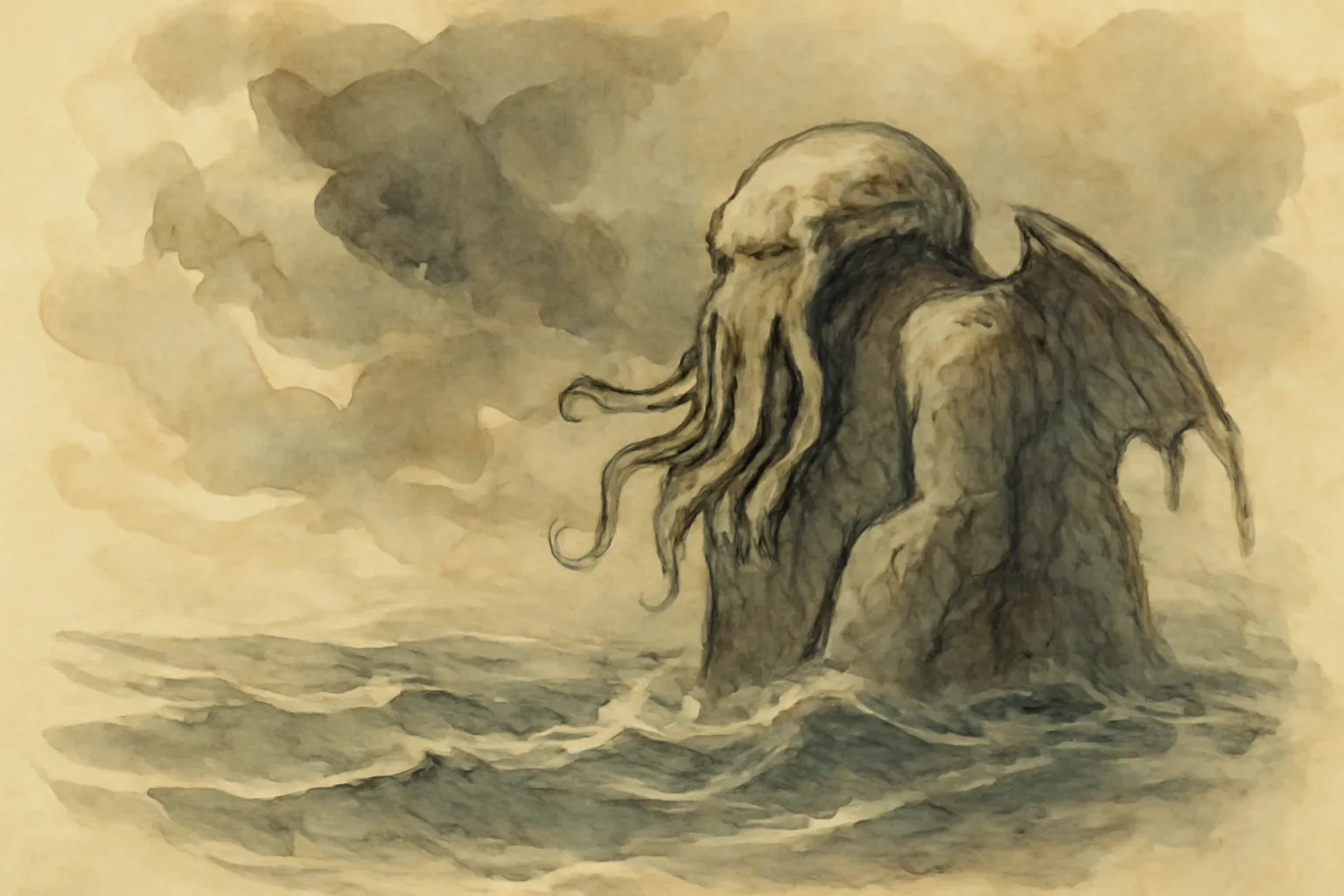
Cthulhu is not merely a monster; he is a representation of an ancient cult that worships a being from a time long before humanity. Read moreCthulhu is not merely a monster; he is a representation of an ancient cult that worships a being from a time long before humanity. The protagonist learns about this cult through various accounts, including those of Professor Angell and anthropologist William Channing Webb. Webb recounts his chilling experiences with a degenerate tribe of Eskimos who practiced a form of devil-worship centered around a grotesque idol that resembles Cthulhu. This cult has preserved its rituals and beliefs over millennia, suggesting that the horrors of the past continue to influence the present. The persistence of such beliefs in a modern world raises questions about the nature of faith and the primal fears that still reside within humanity. The cult's rituals, which include human sacrifices and bloodthirsty rites, evoke a visceral reaction. Through this exploration of cults, Lovecraft emphasizes that these ancient practices are a testament to humanity's enduring connection to its own dark history. Show less
Read the full text — free
About the author
H. P. Lovecraft has 3 works free to read on Lumina, including At the mountains of madness, The Shunned House
All 3 books by H. P. Lovecraft →