1.The Limits of Human Knowledge
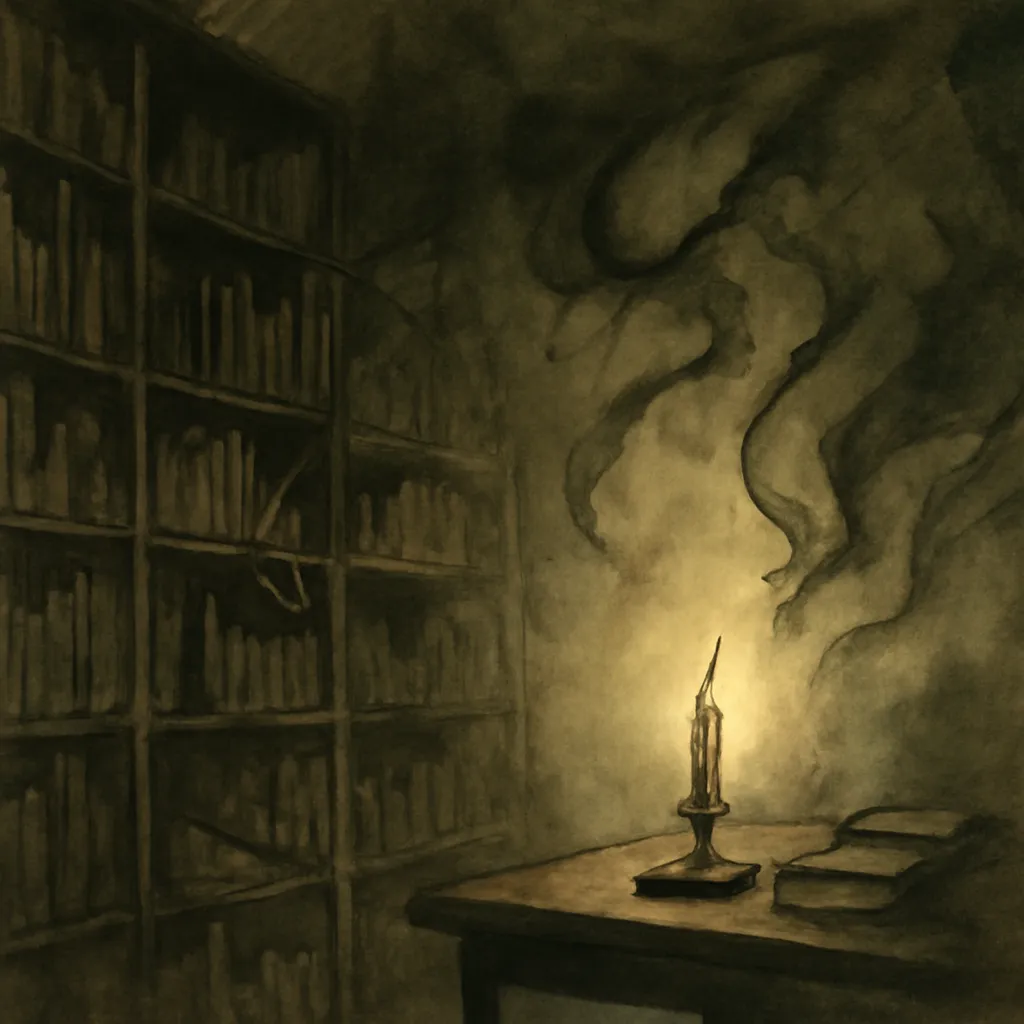
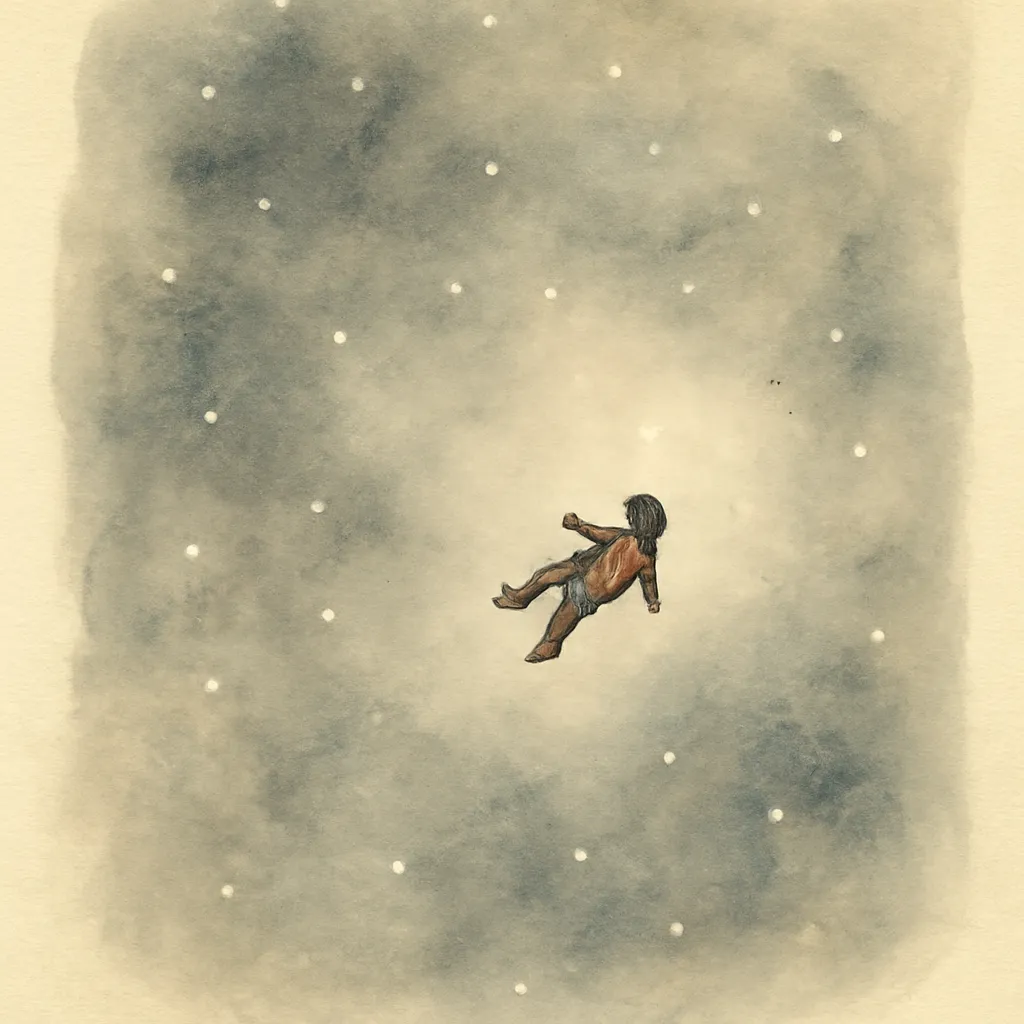
The narrative opens with the assertion that the human mind is mercifully unable to grasp the full breadth of reality. This idea suggests that ignorance serves as a protective barrier against the cosmic horrors that lie beyond. Lovecraft introduces a concept of 'dissociated knowledge'—the idea that the piecing together of disparate facts could lead to horrific realizations about our place in the universe. The protagonist expresses a fear that the accumulation of knowledge could either drive one to madness or plunge society into a dark age. This theme is echoed in the protagonist's reflections on his grand-uncle's death and the mysterious circumstances surrounding it, hinting that some truths are best left undiscovered. The fear of what lies beyond human understanding permeates the story, creating a sense of dread as characters confront the possibility of an incomprehensible reality.
2.The Ancient Cults and Their Horrors
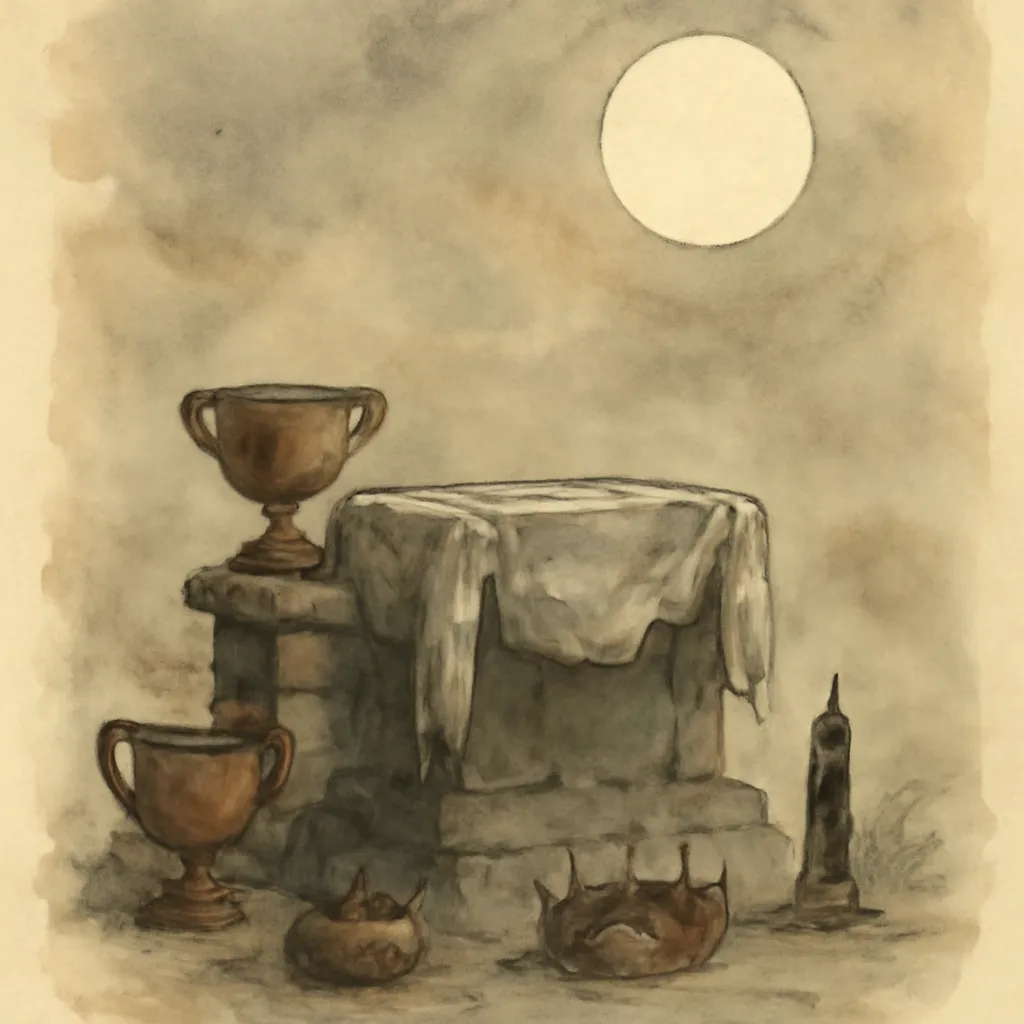
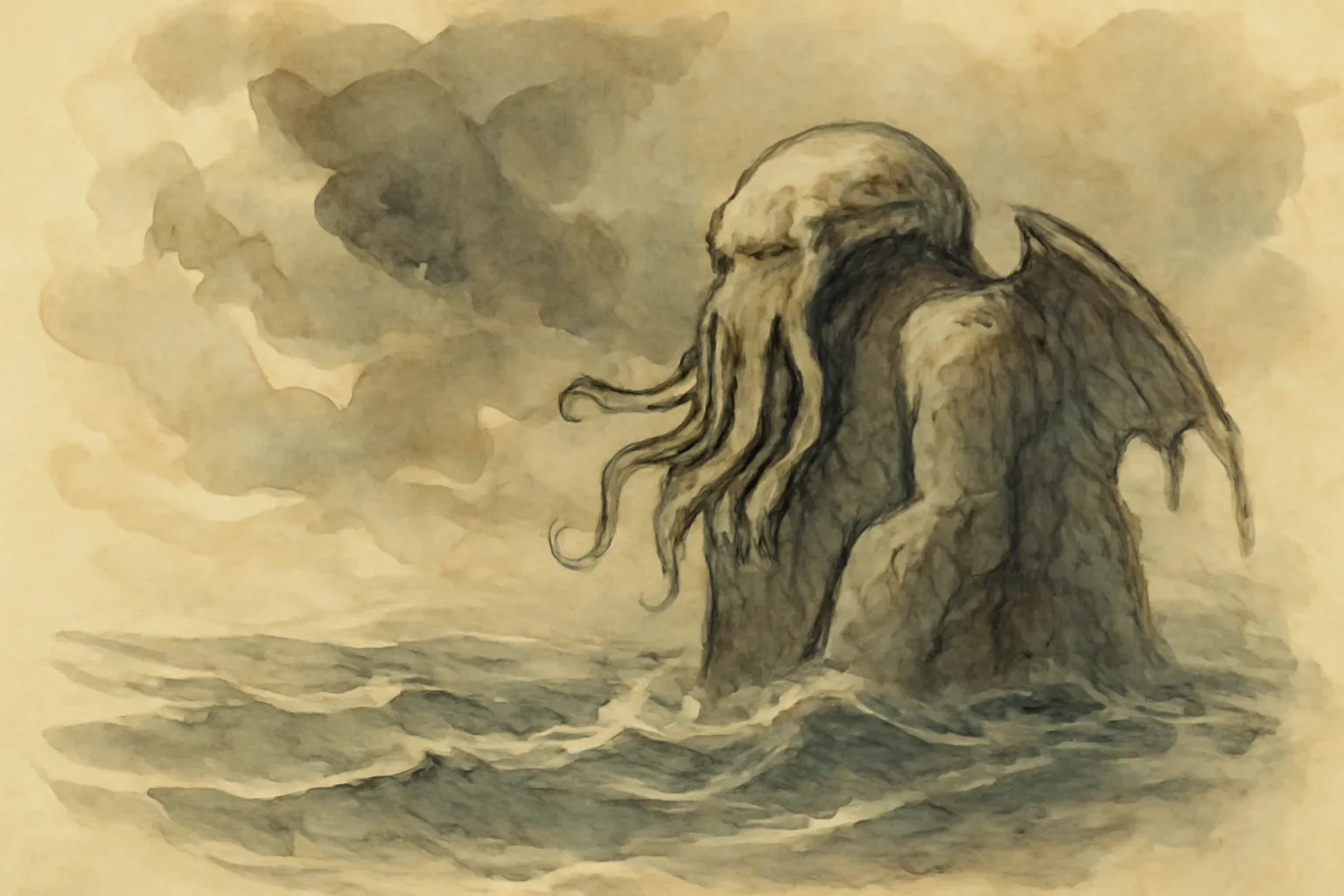
Cthulhu is not merely a monster; he is a representation of an ancient cult that worships a being from a time long before humanity. The protagonist learns about this cult through various accounts, including those of Professor Angell and anthropologist William Channing Webb. Webb recounts his chilling experiences with a degenerate tribe of Eskimos who practiced a form of devil-worship centered around a grotesque idol that resembles Cthulhu. This cult has preserved its rituals and beliefs over millennia, suggesting that the horrors of the past continue to influence the present. The persistence of such beliefs in a modern world raises questions about the nature of faith and the primal fears that still reside within humanity. The cult's rituals, which include human sacrifices and bloodthirsty rites, evoke a visceral reaction. Through this exploration of cults, Lovecraft emphasizes that these ancient practices are a testament to humanity's enduring connection to its own dark history.
3.The Fragility of Sanity
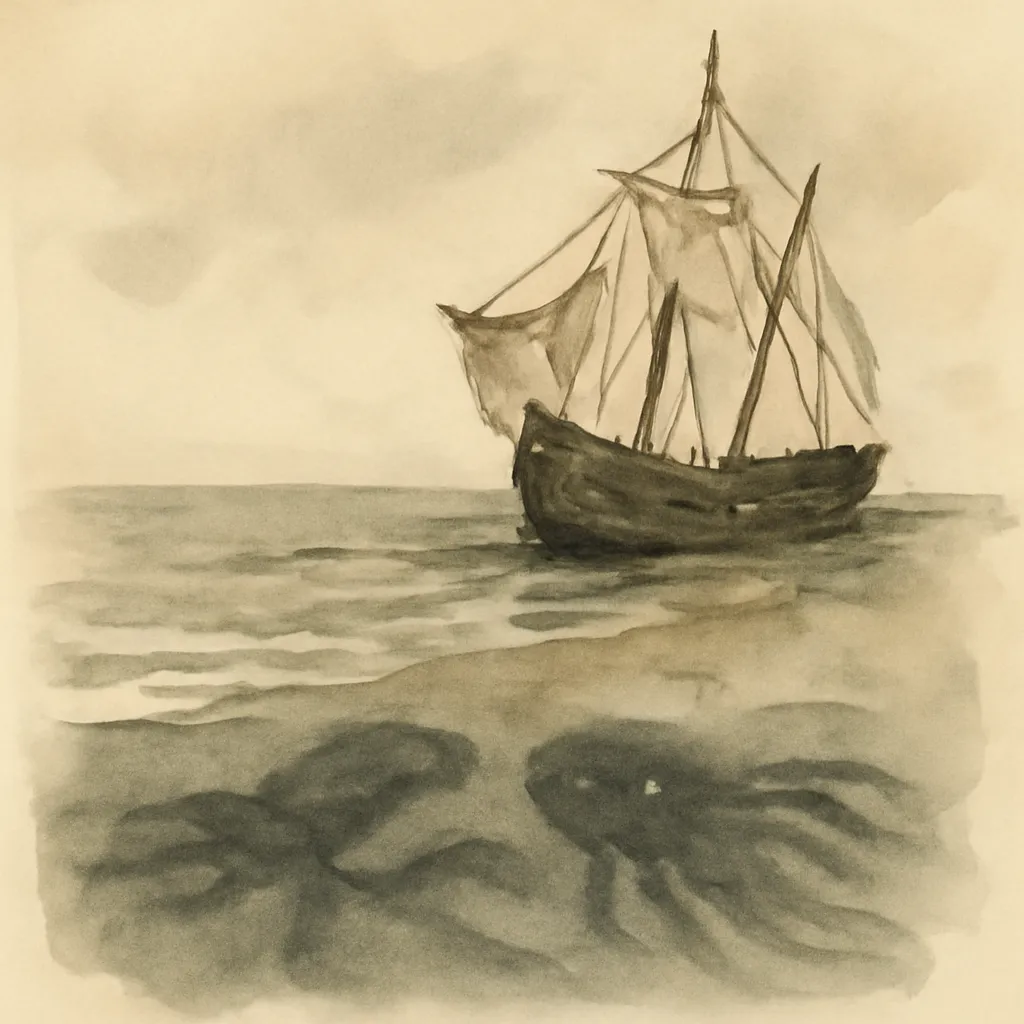
As characters encounter the terrifying truths of Cthulhu and the cult that worships him, their sanity begins to unravel. The protagonist's investigation leads him to the disturbing realization that many who have come into contact with Cthulhu have met tragic ends or succumbed to madness. The sailor Johansen's account reveals how fear can paralyze the mind and drive individuals to extreme actions. Lovecraft illustrates how the mind can fracture when faced with the incomprehensible, reflecting a broader theme of existential dread. This fragility is particularly highlighted in the accounts of sailors who encountered Cthulhu and were driven to madness by their experiences, emphasizing the thin veil between reality and insanity. The protagonist's reflections on the shared experiences of horror among characters create a tapestry of dread, suggesting that the threat posed by Cthulhu transcends individual experiences and becomes a collective fear.
4.Cthulhu's Dream-Vigil
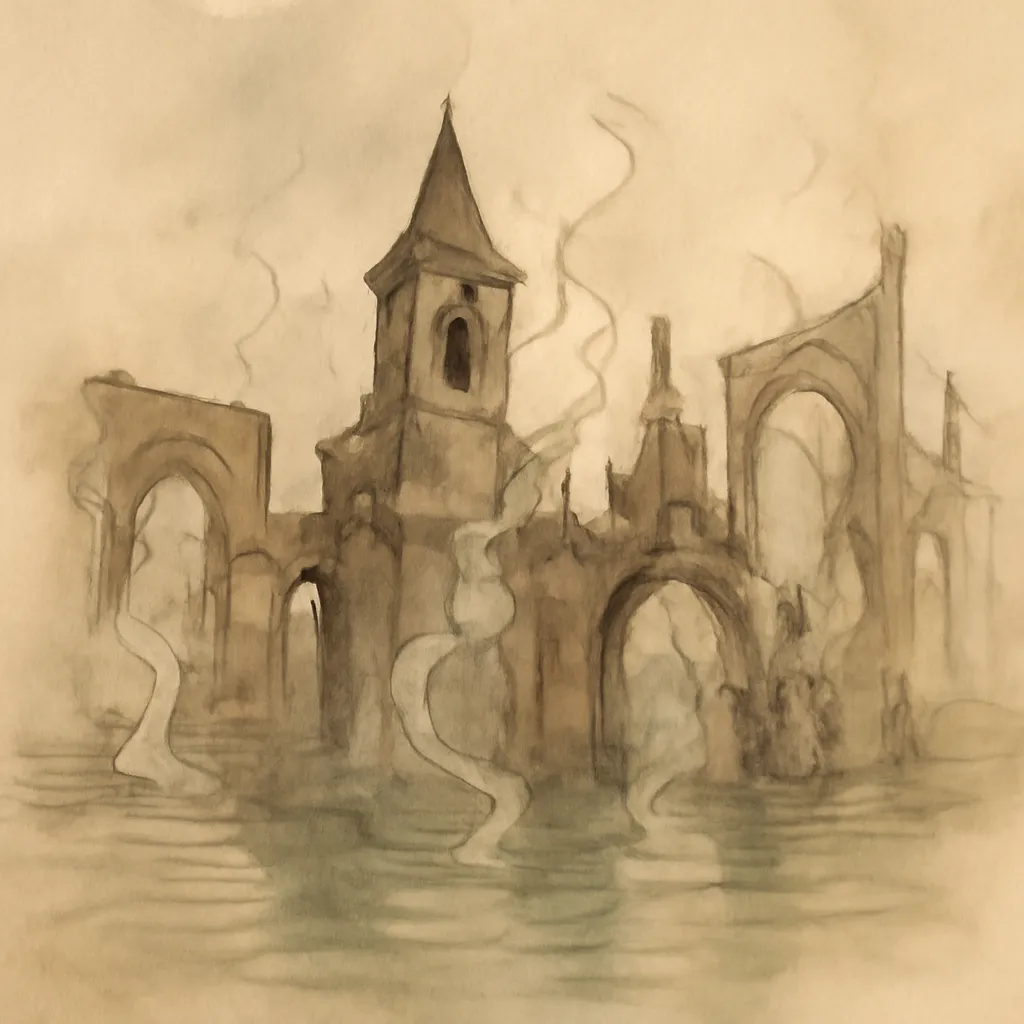
One of the most chilling aspects of Cthulhu's existence is the concept of his 'dream-vigil' in the sunken city of R'lyeh. Cthulhu lies in a deep slumber, influencing the dreams of those sensitive enough to perceive his presence. The phrase 'Cthulhu fhtagn'—meaning 'Cthulhu waits'—captures the essence of this waiting horror. It suggests that Cthulhu's awakening is not a matter of if but when, and this impending doom looms over humanity like a dark cloud. The idea that Cthulhu can reach into the minds of individuals adds a layer of psychological horror, as it blurs the lines between dreams and reality. This dream state serves as a conduit for Cthulhu's influence, showcasing Lovecraft's exploration of the subconscious and the fears that lie within. The protagonist's encounters with those who have dreamt of Cthulhu lead him to question the reliability of his own perceptions, adding to the narrative's tension as he delves deeper into the madness.
5.The Role of Artifacts
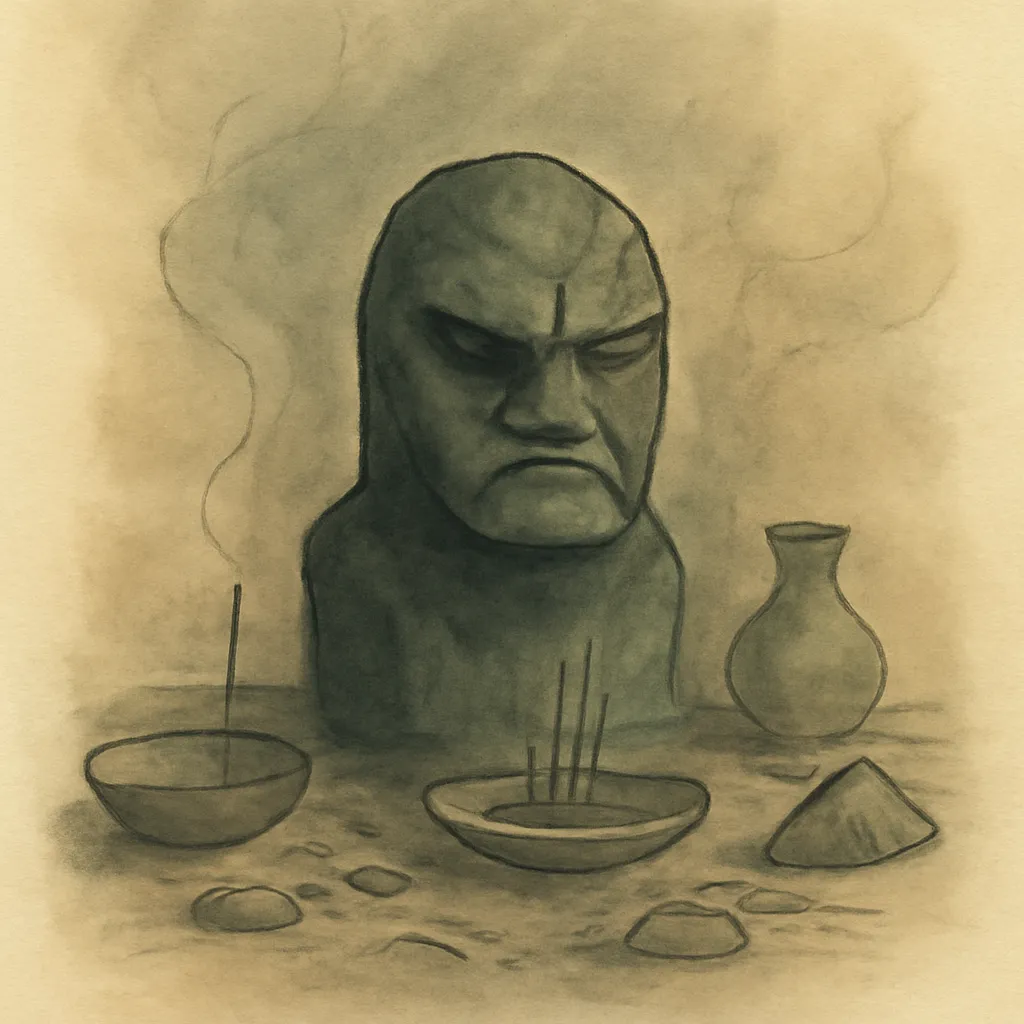
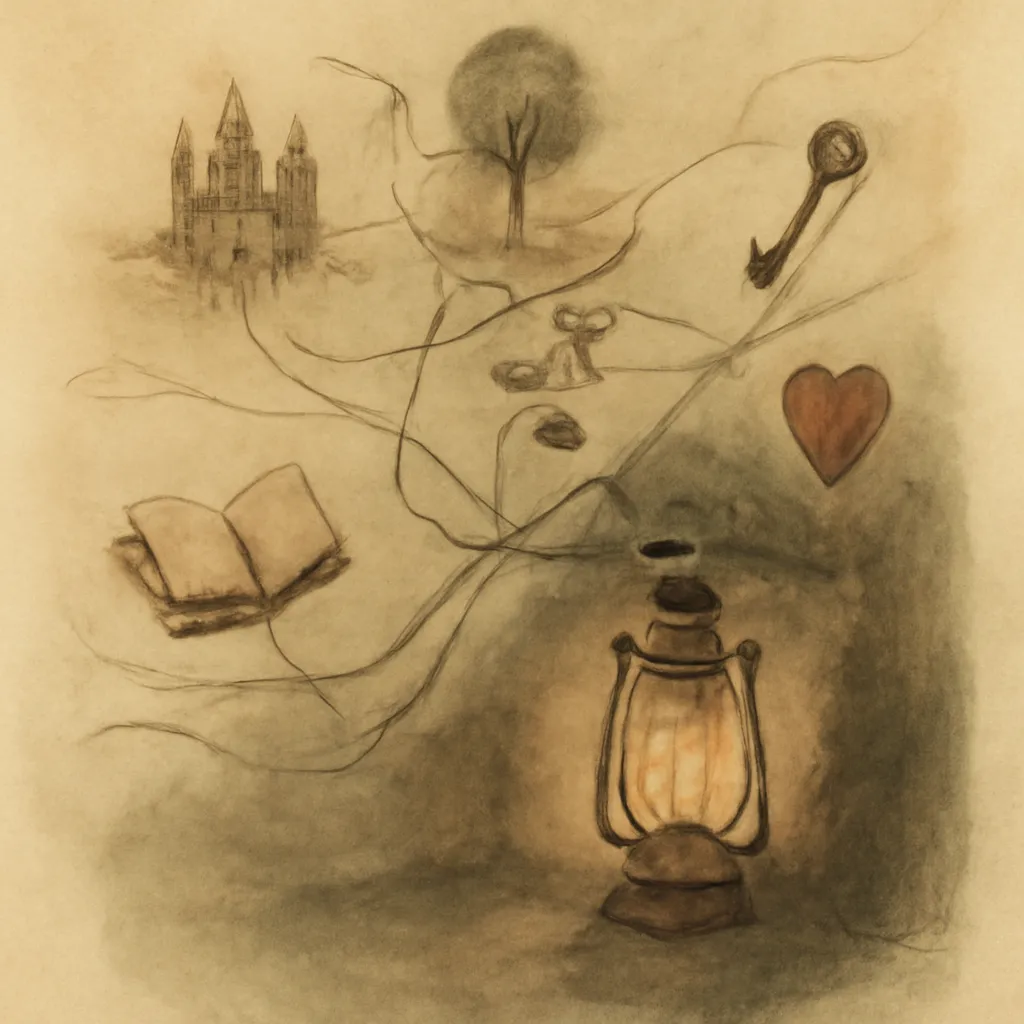
Artifacts play a crucial role in the narrative, serving as physical manifestations of the cult's beliefs and the horrors of Cthulhu. The greenish-black stone idol discovered by Professor Angell symbolizes the ancient knowledge and power that the cult seeks to preserve. This object, along with other artifacts mentioned throughout the story, acts as a bridge between the past and the present, linking the protagonist to the terrifying history of Cthulhu. Lovecraft emphasizes the significance of these objects, suggesting that they carry with them the weight of ancient truths and the potential to drive individuals to madness. The protagonist's investigation into these artifacts deepens his understanding of the cult's influence, leading him to uncover more harrowing truths. As he learns about the rituals surrounding these objects, it becomes clear that they are not mere relics of the past but powerful symbols of the ongoing battle between humanity and the ancient forces that threaten to reclaim their dominion.
6.Cosmic Indifference
A central theme of The Call of Cthulhu is the idea of cosmic indifference—the notion that the universe is vast and uncaring towards humanity. Lovecraft paints a picture of a reality where humans are insignificant specks in a grand, indifferent cosmos. This realization is chilling, as it forces characters to confront their own insignificance in the face of ancient, powerful beings like Cthulhu. The indifference of the cosmos is reflected in the behavior of Cthulhu himself, who is portrayed as a being that exists beyond human understanding and concern. This theme serves to heighten the existential dread that permeates the story, as characters grapple with the implications of their own mortality and the futility of their existence. Lovecraft's portrayal of a universe inhabited by ancient horrors suggests that humanity's struggles are ultimately inconsequential, leading to a profound sense of despair for those who dare to confront the truth.
7.The Interconnectedness of Stories
Lovecraft masterfully weaves together multiple narratives that intersect at the theme of Cthulhu. The protagonist's journey is informed by the accounts of others who have encountered the cult and its horrors, as various characters share their experiences and insights. This interconnectedness emphasizes the idea that the horrors of the past are never truly gone; they continue to resonate in the present. Each character adds a layer of depth to the narrative, illustrating how the influence of Cthulhu extends across time and geography. The protagonist's investigation serves to connect these disparate stories, creating a comprehensive view of the terror that Cthulhu represents. This technique not only enhances the overall themes of the story but also creates a sense of cumulative dread, as readers realize that the threat of Cthulhu looms over all of humanity, linking characters through shared experiences of terror.
8.The Nature of Reality
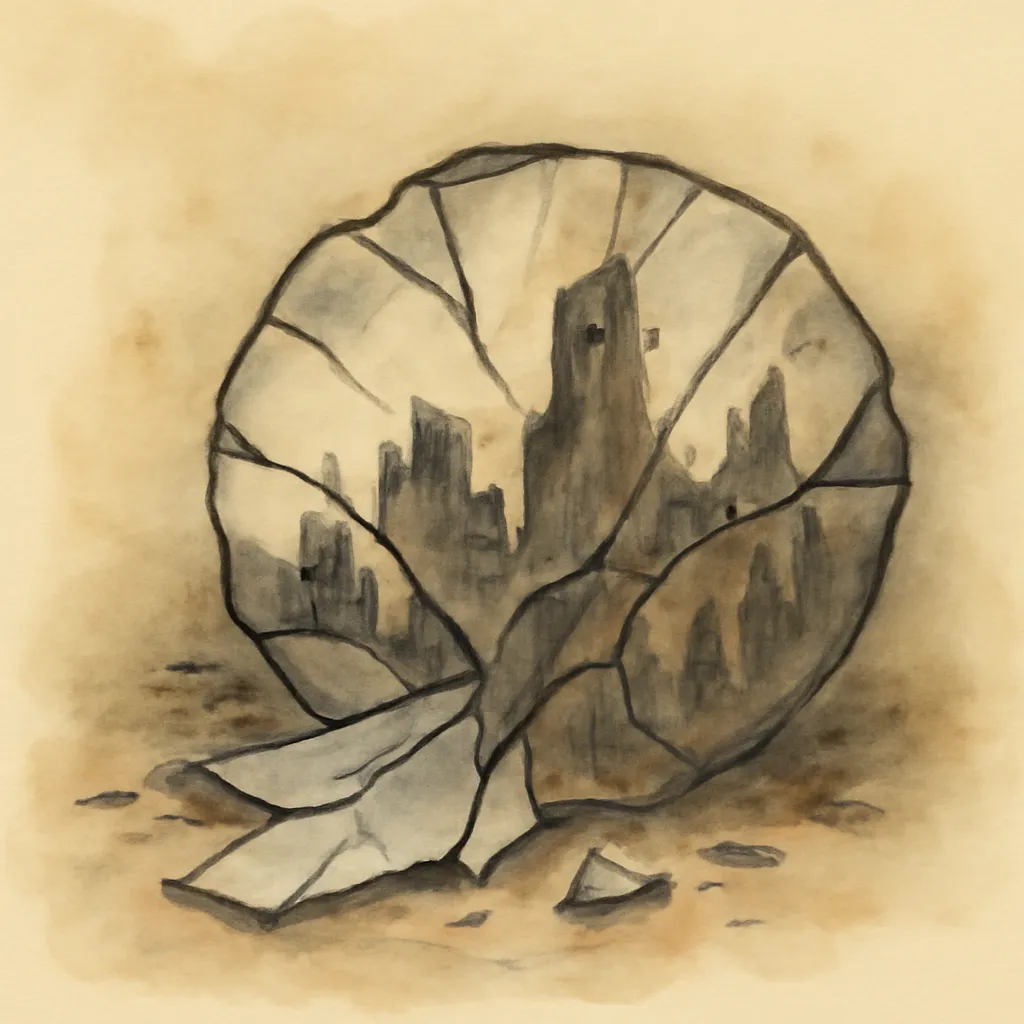
The Call of Cthulhu challenges the very nature of reality by introducing elements that defy comprehension. The protagonist's exploration leads him to question the reliability of his own perceptions and the boundaries of human understanding. Lovecraft presents a world where the laws of physics and logic break down in the presence of Cthulhu, suggesting that reality is not as stable as it seems. This theme is particularly evident in the descriptions of the monstrous idol and the bizarre architecture of R'lyeh, where angles defy conventional geometry. The instability of reality serves to amplify the horror, as characters grapple with the implications of a universe governed by forces beyond their understanding. Lovecraft's narrative technique of blending dream-like sequences with stark reality creates a disorienting effect that leaves readers questioning what is real. The protagonist's descent into madness mirrors this confusion, reflecting Lovecraft's view that human beings are ill-equipped to navigate the complexities of the cosmos.
9.The Impact of Fear
Fear is a driving force in The Call of Cthulhu, shaping the actions and decisions of characters throughout the narrative. Lovecraft delves into the psychology of fear, illustrating how it can lead individuals to act irrationally or succumb to madness. The sailors who encounter Cthulhu experience a primal terror that overwhelms their rational minds, leading to panic and chaos. This exploration of fear highlights its power to transform ordinary situations into nightmarish experiences. Lovecraft's portrayal of fear as a tangible force underscores the idea that the unknown can evoke the most profound dread, forcing characters to confront their deepest anxieties. The impact of fear resonates beyond the narrative, inviting readers to reflect on their own fears and the potential horrors that lie beyond their understanding. By illustrating how fear drives characters to the brink of madness, Lovecraft emphasizes its role as a fundamental aspect of the human experience.
10.The Role of the Narrator
The choice of narrator significantly shapes the reader's experience of The Call of Cthulhu. The protagonist serves as both investigator and commentator, guiding readers through the labyrinthine mysteries surrounding Cthulhu. His perspective adds a personal touch to the narrative, allowing readers to empathize with his growing sense of dread and uncertainty. Lovecraft employs a first-person narrative style that immerses readers in the protagonist's psyche, making the unfolding horror feel immediate and personal. This narrative technique enhances the sense of isolation experienced by characters, as they grapple with the weight of knowledge that sets them apart from the rest of humanity. The narrator's journey serves as a conduit for Lovecraft's exploration of existential themes, inviting readers to confront the terrifying truths that lie just beyond their understanding. The protagonist's gradual realization of the cosmic horror surrounding Cthulhu creates palpable tension, as readers are left wondering how much longer he can maintain his sanity.