What is The Case of Wagner, Nietzsche Contra Wagner, and Selected Aphorisms. about?

Nietzsche's incisive critique of Wagner reveals the deeper philosophical implications of art, morality, and human existence

Read full overview

In 'The Case of Wagner, Nietzsche Contra Wagner, and Selected Aphorisms', Friedrich Nietzsche embarks on a passionate exploration of the relationship between art and morality, using the figure of Richard Wagner as a focal point for his critique. Nietzsche's essays dissect not only Wagner's music but also the cultural and philosophical currents of their time, revealing how art can reflect and shape societal values. Through sharp observations and aphoristic wisdom, Nietzsche challenges readers to reconsider the essence of music, the nature of genius, and the moral responsibilities of the artist. By contrasting Wagner with composers like Bizet, he illustrates a vision of art that transcends mere entertainment to become a profound commentary on life itself. This work serves as both a personal manifesto and a broader critique of the artistic landscape, inviting readers to engage with the deeper implications of their aesthetic choices.

Nietzsche's 'The Case of Wagner' serves as a profound critique of not only Wagner's artistic legacy but also the broader cultural currents of his time. By challenging the moral implications of art and the responsibilities of the artist, Nietzsche invites readers to engage in a deeper conversation about the nature of creativity and its impact on society. His insights remain relevant today, as they encourage a reevaluation of the standards by which we assess art and its role in shaping human experience. Ultimately, Nietzsche's work calls for a renaissance of integrity and depth in artistic expression, urging artists to aspire to a higher standard of authenticity and philosophical engagement.

Get smart in 9 min
Skip the 91 pages · 10 key ideas · read or listen
  1. 1Art as a Reflection of Values
  2. 2The Illusion of Salvation
  3. 3Wagner as a Decadent Artist
  4. 4The Role of the Artist in Society
  5. 5The Dangers of 'Unending Melody'
+5 more ideas · 🎧 listenRead or listen to the summary →
Speed readNew
Read the full book up to 3× faster — one focus word at a time, in about 1h 18m.

Notable quotes

All that is good is easy, everything divine runs with light feet.
The stage should not become master of the arts.
Wagner's art is an appeal to inartistic people; all means are welcomed which help towards obtaining an effect.

A glimpse inside

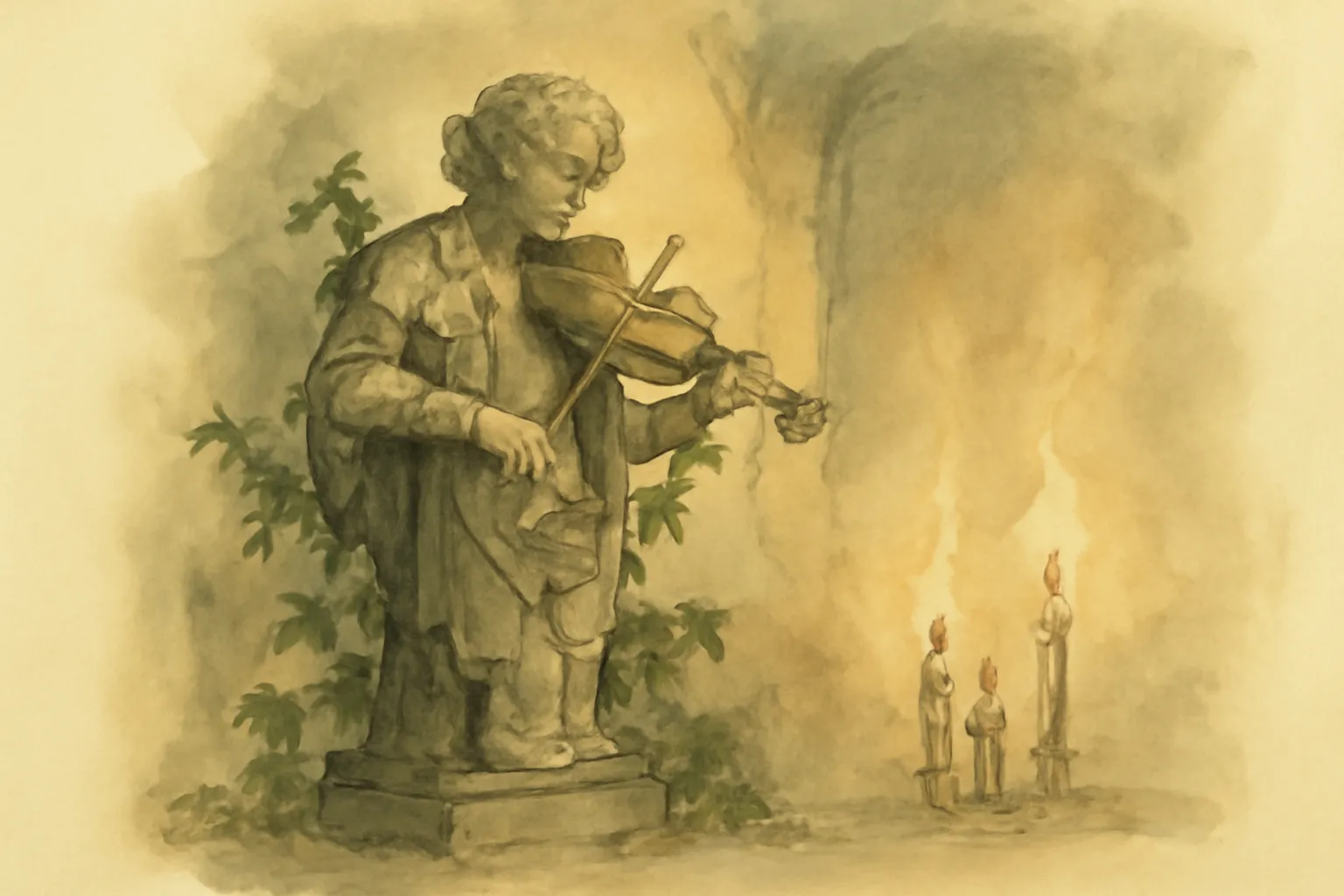
Illustration from The Case of Wagner, Nietzsche Contra Wagner, and Selected Aphorisms.
Art as a Reflection of Values
Nietzsche posits that art is not an isolated entity but a powerful reflection of the cultural and moral values of its time. Read more
The Illusion of Salvation
Nietzsche critiques Wagner's operas as fundamentally centered around the theme of salvation, which he sees as a misguided pursuit. Read more
See all 10 key ideas →

Read the full text — free

The complete public-domain text, every chapter — no account, no ads
Read at your pace, blitz it in speed-read mode, or get the big ideas in 9 minutes
Start reading →

About the author

Friedrich Wilhelm Nietzsche

Friedrich Wilhelm Nietzsche has 2 works free to read on Lumina, including The Birth of Tragedy; or, Hellenism and Pessimism

All 2 books by Friedrich Wilhelm Nietzsche

Frequently asked

Yes — the complete text of The Case of Wagner, Nietzsche Contra Wagner, and Selected Aphorisms. is free to read online, with no account and no ads. The 8-minute Big-ideas summary and audio narration are unlocked too