Philosophy · Fiction
The Birth of Tragedy; or, Hellenism and Pessimism by Friedrich Wilhelm Nietzsche — Summary, Key Ideas & Full Text
168 pages29 chapters3h 22m read2h 23m speed read✦ 9-min Big ideasFree · no account
Rate it
Art emerges from the tension between the Apollonian and Dionysian forces, revealing the profound depths of human existence
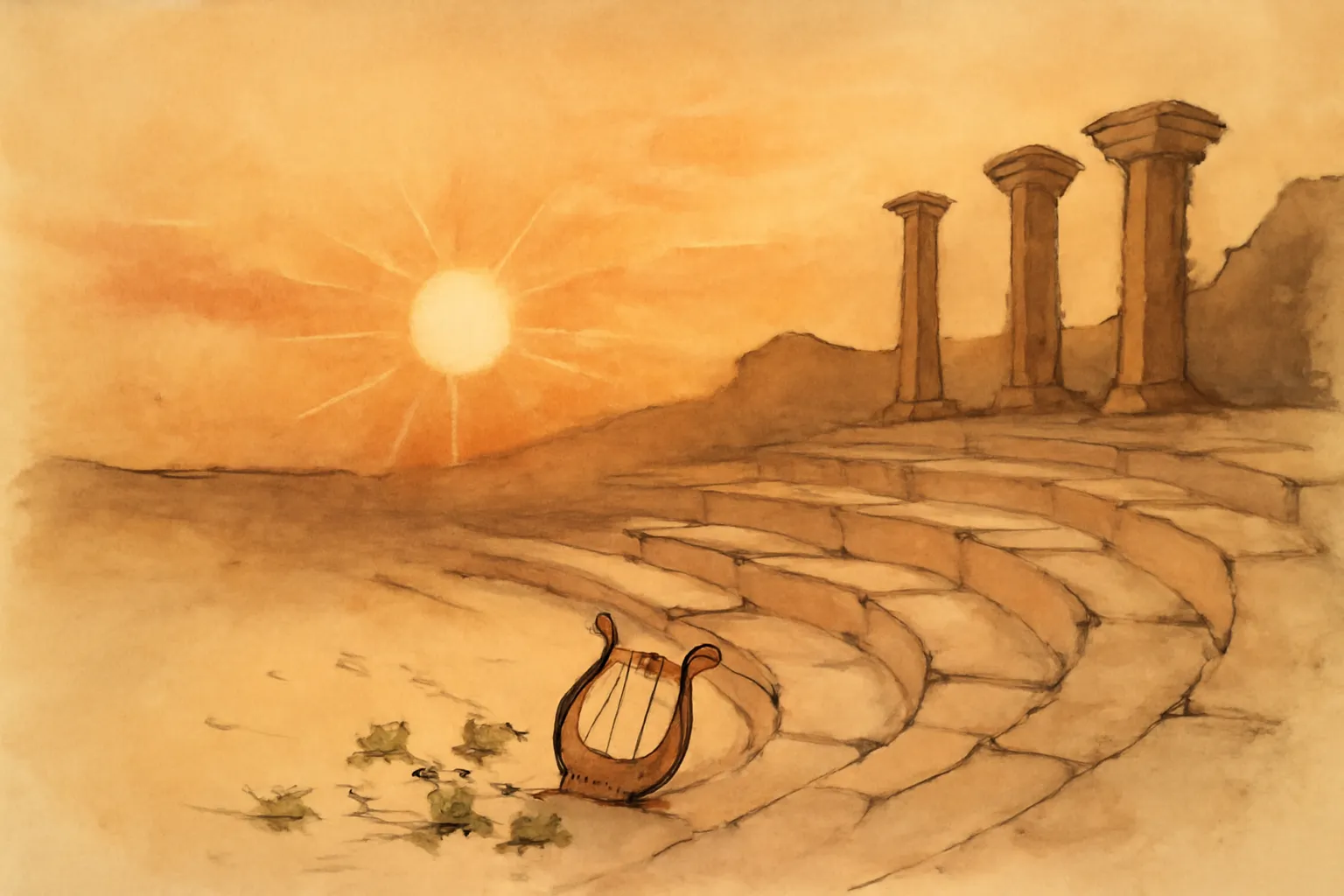
Friedrich Nietzsche's "The Birth of Tragedy" delves into the origins of Greek tragedy, exploring the intricate relationship between two opposing artistic forces: the Apollonian and the Dionysian. Through this lens, Nietzsche uncovers how the interplay of order and chaos, beauty and suffering, shapes not only art but also the human experience. Readers will discover how these artistic impulses contribute to the creation of profound truths that resonate deeply within the human soul. By examining the roots of tragedy, Nietzsche invites us to reflect on the nature of existence itself, highlighting the eternal struggle between joy and suffering that defines our lives. This exploration not only enriches our understanding of art but also offers insights into the philosophical underpinnings of culture and identity.
Nietzsche's "The Birth of Tragedy" presents a profound exploration of the origins and significance of Greek tragedy, revealing the intricate interplay between the Apollonian and Dionysian forces that shape artistic expression and the human experience. By examining the duality of these artistic impulses, Nietzsche invites readers to reflect on the complexities of existence, the role of myth in culture, and the enduring legacy of tragedy in contemporary society. The insights gleaned from this work challenge us to embrace the full spectrum of human experience, recognizing the beauty and pain that coexist within our lives. Ultimately, Nietzsche's exploration of tragedy serves as a timeless reminder of the power of art to illuminate the depths of the human soul and foster a deeper understanding of our shared existence.
“What is best of all is for ever beyond your reach: not to be born, not to be, to be nothing.”
“Here only an exuberant, even triumphant life speaks to us, in which everything existing is deified, whether good or bad.”
“The one truly real Dionysus appears in a multiplicity of forms, in the mask of a fighting hero and entangled, as it were, in the net of an individual will.”
Friedrich Wilhelm Nietzsche has 2 works free to read on Lumina, including The Case of Wagner, Nietzsche Contra Wagner, and Selected Aphorisms.
All 2 books by Friedrich Wilhelm Nietzsche →