1.The Duality of Art: Apollonian vs. Dionysian
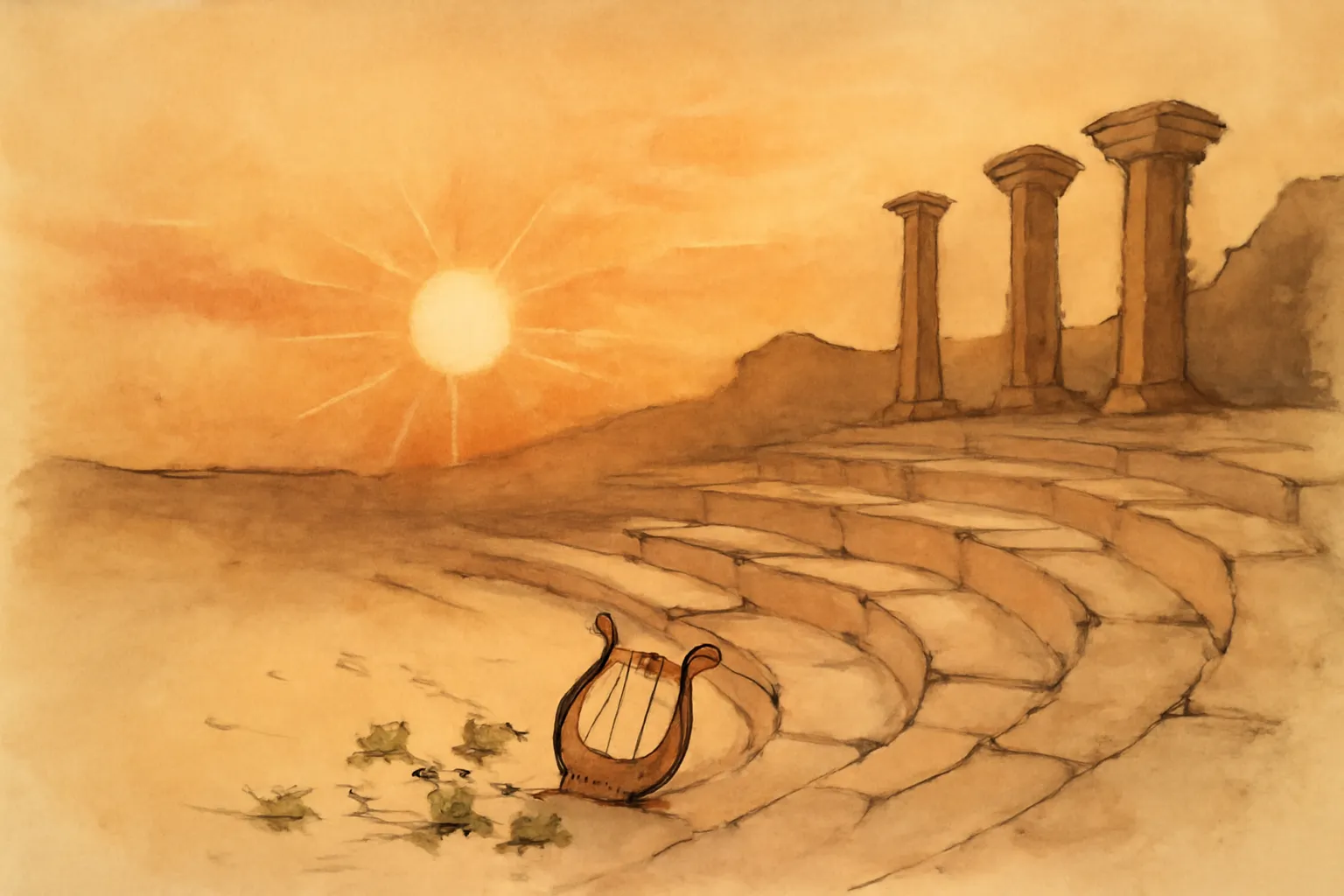
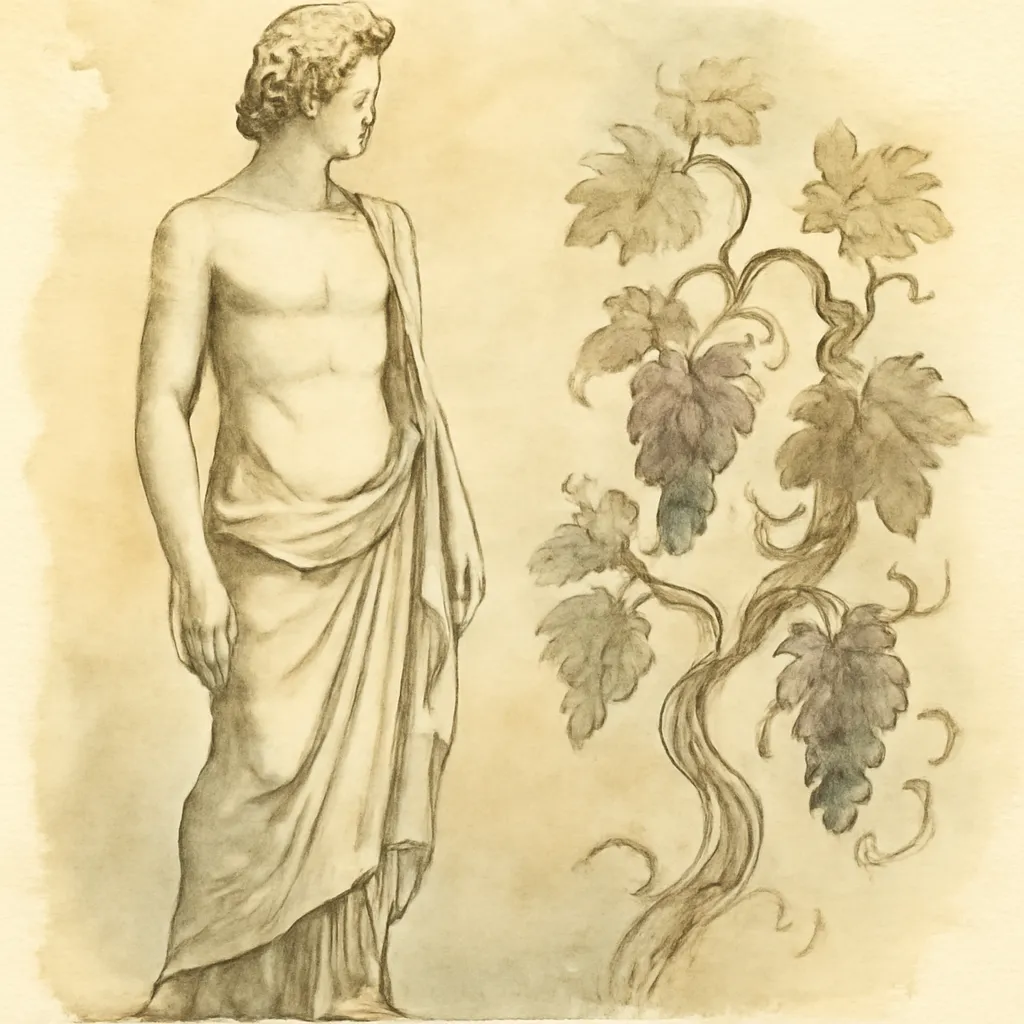
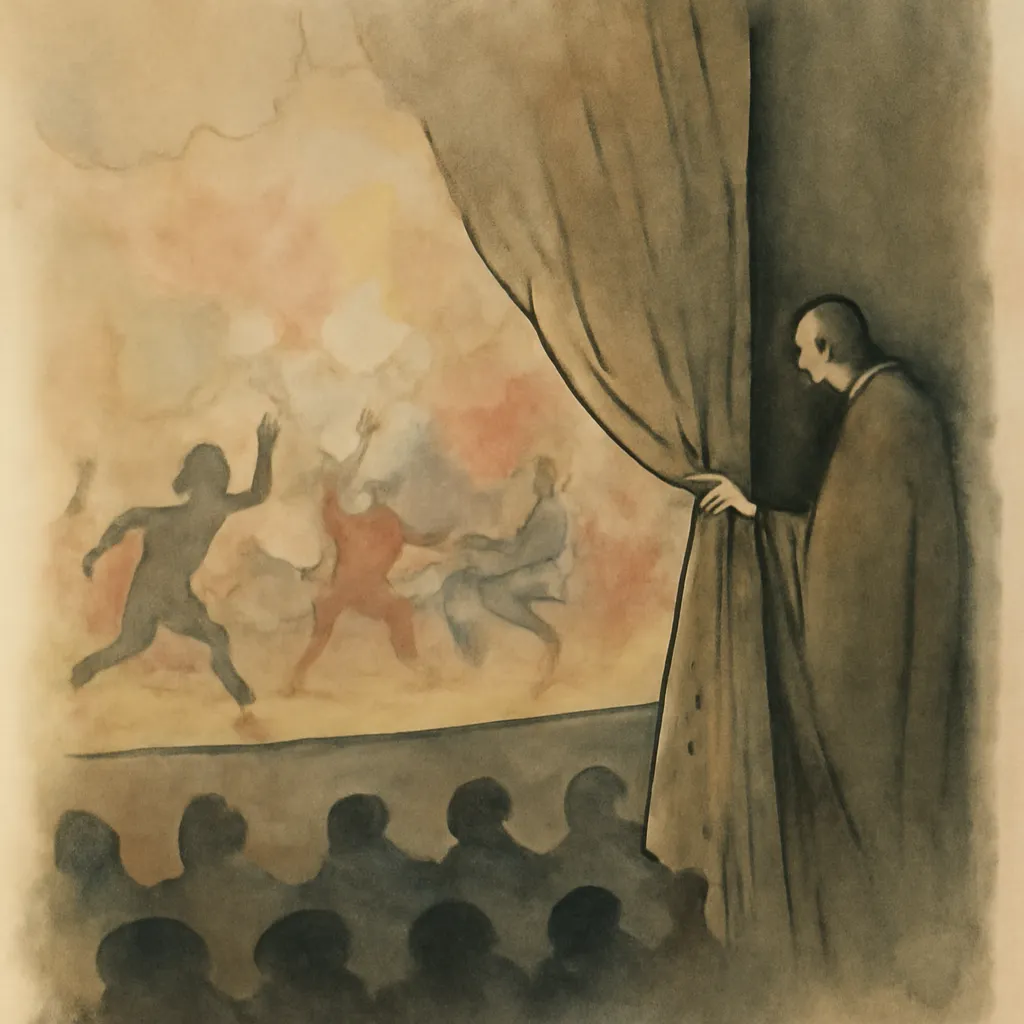
Nietzsche introduces the concept of the Apollonian and Dionysian as two fundamental artistic impulses that shape human creativity. The Apollonian represents order, beauty, and rationality, evoking the serene and structured aspects of existence. In contrast, the Dionysian embodies chaos, passion, and ecstasy, reflecting the primal and instinctual nature of humanity. This duality parallels the biological necessity of procreation, where the tension between the sexes leads to perpetual conflict and reconciliation. Nietzsche suggests that great art emerges from the interplay of these two forces, much like the synthesis of dreams and drunkenness, culminating in the profound expression found in Greek tragedy. The interaction between these artistic realms propels the continuous evolution of art and reveals deeper truths about the human condition.
2.The Role of Dreams and Ecstasy in Artistic Creation
Nietzsche likens the Apollonian to the dream state, where beauty and ideal forms are perceived without the constraints of reality. Dreams allow the artist to tap into a realm of pure imagination, creating an illusion that transcends mundane existence. Conversely, the Dionysian experience is akin to ecstasy, where individuals lose themselves in a collective experience, merging with the primal forces of nature. This ecstatic state leads to a sense of unity and oneness with existence, breaking down the barriers of individuality. Nietzsche argues that true artistic expression requires the artist to navigate between these two states, drawing from both the serene beauty of dreams and the intense passion of ecstasy. This dynamic interplay is essential for the creation of profound and impactful art that resonates with the audience on multiple levels.
3.The Olympian World: A Celebration of Life
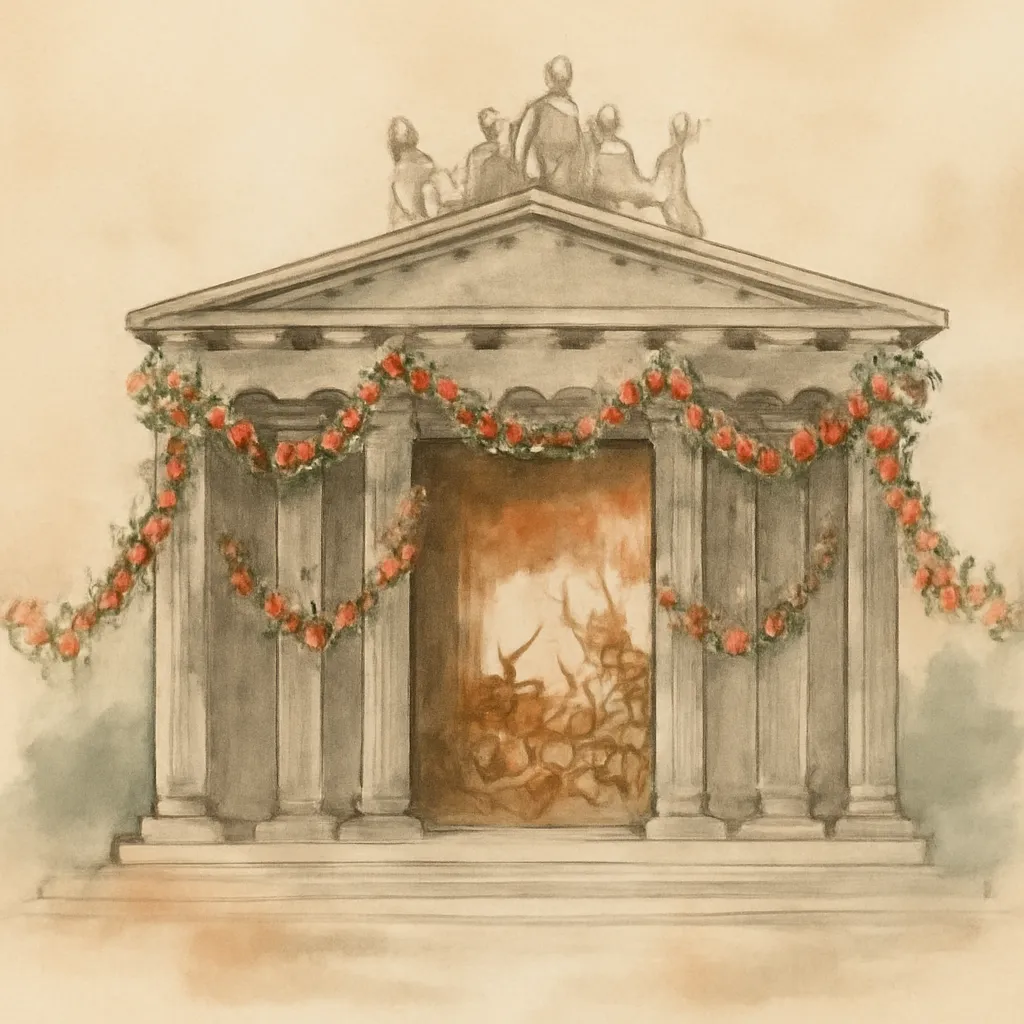
Nietzsche explores the Greek conception of the Olympian gods, who embody the exuberance and vitality of life itself. Unlike later religious interpretations seeking moral elevation or asceticism, the Olympian deities represent a joyous embrace of existence, where all aspects of life—both good and bad—are celebrated. This perspective challenges the notion of a purely moralistic view of existence, suggesting instead that life should be experienced in its entirety, free from guilt or shame. The Greeks found wisdom in the embrace of life's chaotic nature, as illustrated by the myth of King Midas, who learned that the most desirable state for humanity is not to exist at all. This acceptance of life's inherent suffering and joy forms the foundation of the tragic experience, where beauty and pain coexist, inviting deeper reflection on the nature of existence.
4.The Tragic Chorus: The Heart of Greek Drama
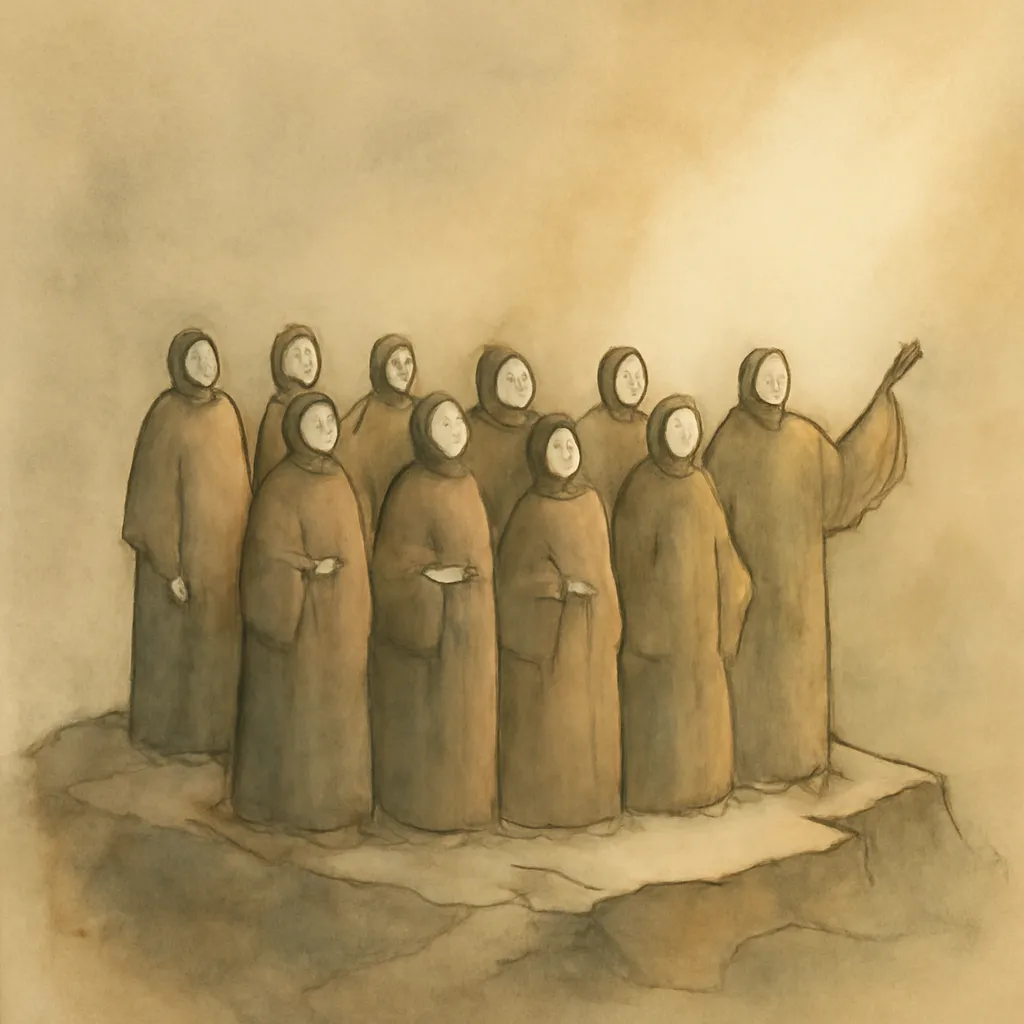
Nietzsche emphasizes the significance of the tragic chorus as the original form of Greek drama, a collective voice that embodies the community's emotions and experiences. Far from being mere spectators, the chorus represents a vital connection to the divine and the communal spirit, reflecting the collective psyche of the audience. This communal aspect of tragedy serves as a counterbalance to the individual hero's journey, illustrating the interconnectedness of human experiences. The chorus's role as both participant and observer allows it to navigate the delicate balance between the Apollonian and Dionysian, providing a framework for understanding the deeper themes of tragedy. By returning to the roots of the chorus, Nietzsche argues that we can better appreciate the essence of tragedy and its ability to evoke profound emotional responses from the audience.
5.The Evolution of Tragedy: From Dionysus to Euripides
The transition from early Greek tragedy, centered around the figure of Dionysus, to the more complex narratives of playwrights like Euripides marks a significant evolution in the genre. Initially, tragedy was an expression of the collective worship of Dionysus, where the hero represented the god's suffering and triumph. However, as tragedy developed, individual characters began to emerge, leading to a shift in focus from the divine to the human experience. Euripides, in particular, challenged traditional notions of tragedy by introducing psychological depth and moral ambiguity into his characters. This evolution reflects the changing cultural landscape of Greece, where the rise of rational thought and individualism began to reshape artistic expression. Nietzsche posits that this shift ultimately led to the decline of true tragedy, as the original Dionysian essence became diluted in favor of more superficial narratives.
6.The Conflict of Individualism and Collectivism
Nietzsche highlights the tension between individual desires and collective values within the context of Greek tragedy. As the genre evolved, the focus on individual characters often clashed with the communal spirit embodied by the chorus. This conflict underscores the broader societal changes occurring in Greece, where the emergence of individualism began to challenge traditional communal bonds. The tragic hero's journey often reflects the struggle between personal ambition and societal expectations, leading to a profound exploration of identity and purpose. This tension is particularly evident in the works of Euripides, who grapples with the complexities of human motivations and the consequences of individual actions. By examining this conflict, Nietzsche encourages readers to reflect on their own experiences of individuality and community, ultimately questioning the balance between personal fulfillment and social responsibility.
7.The Metaphysical Comfort of Tragedy
Nietzsche argues that tragedy offers a unique form of metaphysical comfort, allowing individuals to confront the inherent suffering of existence while simultaneously experiencing the joy of life. Through the lens of tragedy, audiences can grapple with the complexities of human emotions, recognizing that pain and joy are intertwined. This duality provides a sense of catharsis, as viewers are invited to engage with the tragic hero's journey and reflect on their own struggles. The Dionysian aspect of tragedy serves as a reminder of the interconnectedness of all life, fostering a sense of unity and shared experience. By embracing the tragedy of existence, individuals can find solace in the acknowledgment of their own suffering and the collective human experience, ultimately leading to a deeper appreciation for the beauty of life itself.
8.The Role of Myth in Culture
Nietzsche emphasizes the importance of myth as a foundational element of culture, providing a framework for understanding the world and our place within it. Myths serve as powerful narratives that shape collective beliefs and values, offering meaning and context to human experiences. In the absence of myth, culture risks losing its creative vitality, becoming fragmented and disjointed. Nietzsche argues that the Socratic emphasis on rationality and historical accuracy threatens the richness of myth, leading to a culture devoid of depth and imagination. By reinstating myth as a vital component of cultural identity, individuals can reconnect with their shared history and the deeper truths that underpin human existence. This reclamation of myth not only enriches artistic expression but also fosters a sense of belonging and purpose within the community.
9.The Legacy of Greek Tragedy in Modern Culture
Nietzsche reflects on the enduring impact of Greek tragedy on contemporary culture, suggesting that its themes and insights remain relevant in today's world. The struggle between the Apollonian and Dionysian continues to manifest in modern artistic expressions, as creators grapple with the complexities of existence and the human experience. This legacy serves as a reminder of the importance of art in navigating the challenges of life, offering a space for reflection and understanding. As modern society increasingly prioritizes rational thought and individualism, Nietzsche warns of the potential loss of the profound connections that tragedy fosters. By engaging with the lessons of Greek tragedy, contemporary audiences can reclaim the richness of human experience and find solace in the shared struggles that define our existence.
10.The Tragic Hero: A Reflection of Human Struggle
The tragic hero embodies the complexities of human existence, often facing insurmountable challenges that reflect our own struggles. Nietzsche posits that the hero's journey serves as a mirror for the audience, inviting them to confront their own fears, desires, and failures. This reflection fosters a deeper understanding of the human condition, as viewers grapple with the hero's triumphs and tragedies. The tragic hero's ultimate downfall serves as a poignant reminder of the fragility of life and the inevitability of suffering. By engaging with the tragic hero's narrative, audiences can find catharsis and a sense of connection to their own experiences, ultimately leading to a greater appreciation for the complexities of existence. This exploration of the tragic hero underscores the timeless relevance of tragedy, as it continues to resonate with audiences across cultures and generations.