

Papacy · History · Popes
The Chronicle of the Popes by P.G. Maxwell-Stuart — Summary, Key Ideas & Quotes
1997248 pages✦ 3-min Big ideas
Rate it
"A handy reference work stunningly illustrated."—National Catholic Reporter. Updated to include Pope Benedict XVI. For nearly two thousand years the popes have not only shaped the course of one of the world's great religions but have also played a part—sometimes a dominant part—in the history of Europe. Martyrs, monks, noblemen, Franciscans, Dominicans, hermits, and even unordained laymen have occupied the throne of St. Peter. This book recounts the lives and deeds of all 266 popes, from Peter to Benedict XVI. With timelines, datafiles, quotations, and copious illustrations, Chronicle of the Popes is an essential reference book and a source of discovery and inspiration about one of the richest and most diverse institutions on earth.
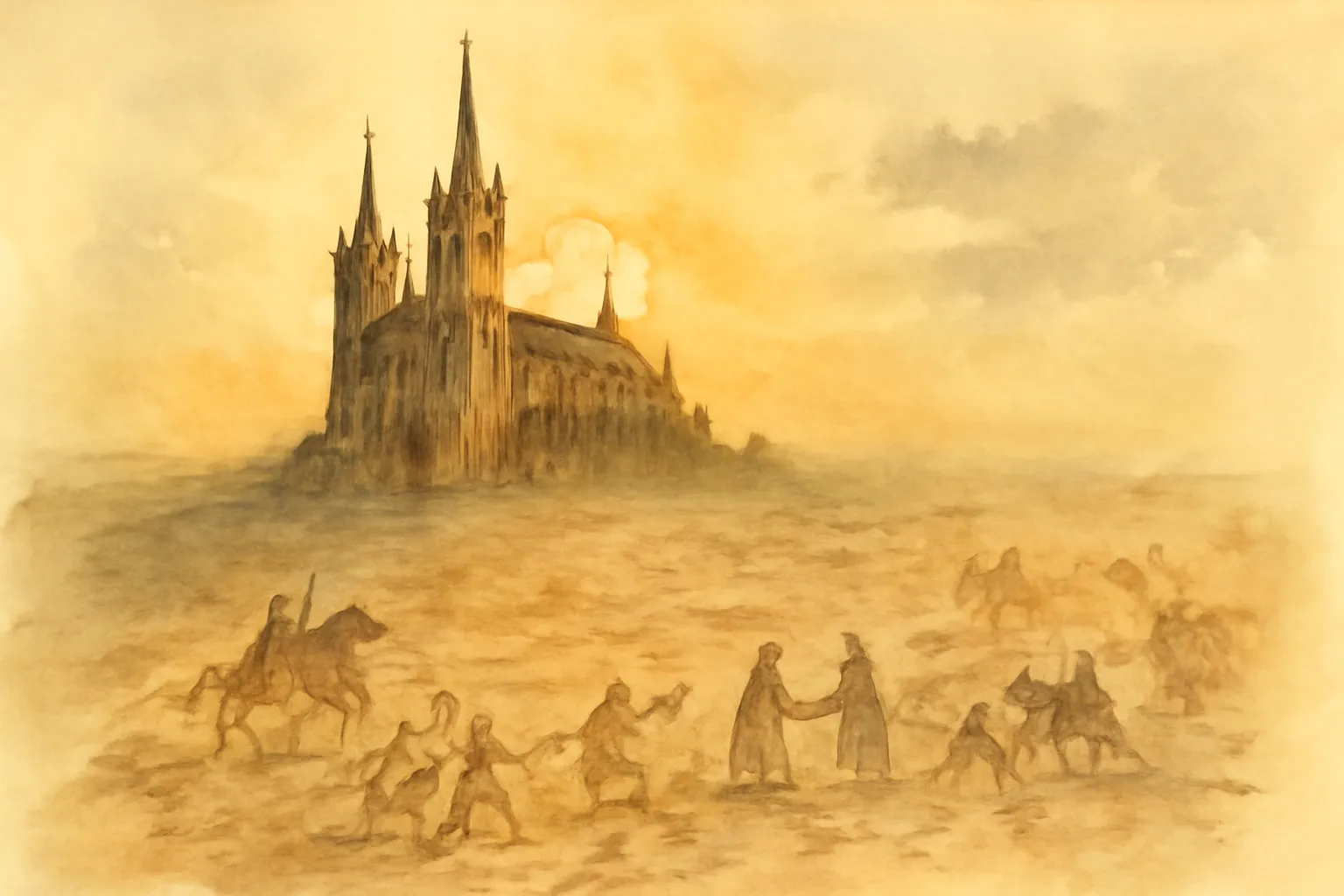
Maxwell-Stuart’s chronicle reveals how the papacy is inseparable from the broader currents of European and world history. Each pope’s biography is set against the backdrop of their era, showing how popes both influenced and were shaped by wars, reformations, and social upheavals. The book demonstrates that the papacy is not a static institution but one that has evolved in response to external pressures and internal crises.
Far from a monolithic institution, the papacy has been occupied by men from a wide array of backgrounds: martyrs, monks, noblemen, scholars, reformers, and even the occasional layman. Maxwell-Stuart highlights how these varied origins influenced the priorities and policies of each pontificate, underscoring the human dimension—ambition, piety, frailty—behind the office.