1.The Papacy as a Mirror of History
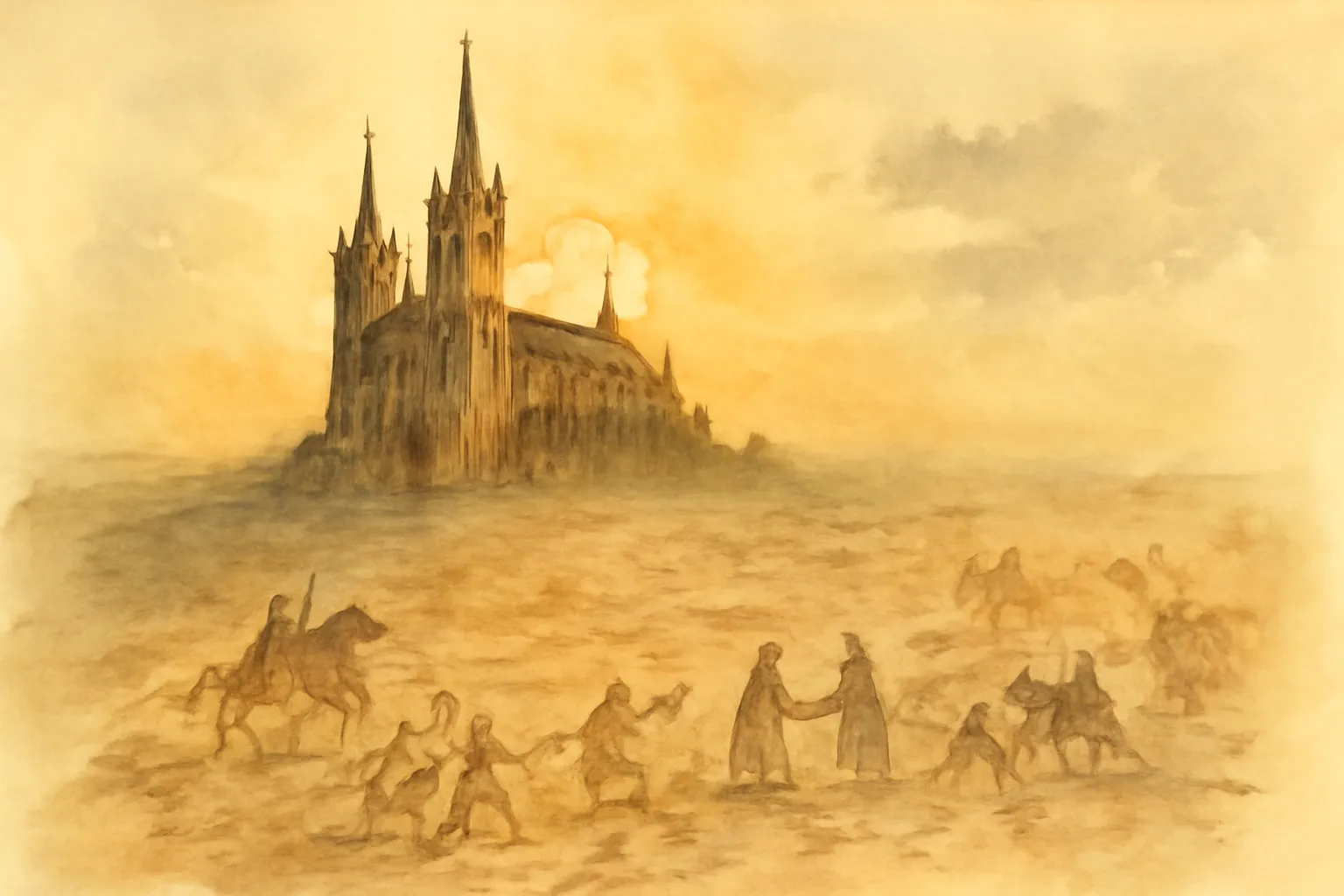
Maxwell-Stuart’s chronicle reveals how the papacy is inseparable from the broader currents of European and world history. Each pope’s biography is set against the backdrop of their era, showing how popes both influenced and were shaped by wars, reformations, and social upheavals. The book demonstrates that the papacy is not a static institution but one that has evolved in response to external pressures and internal crises.
2.Diversity of Papal Backgrounds
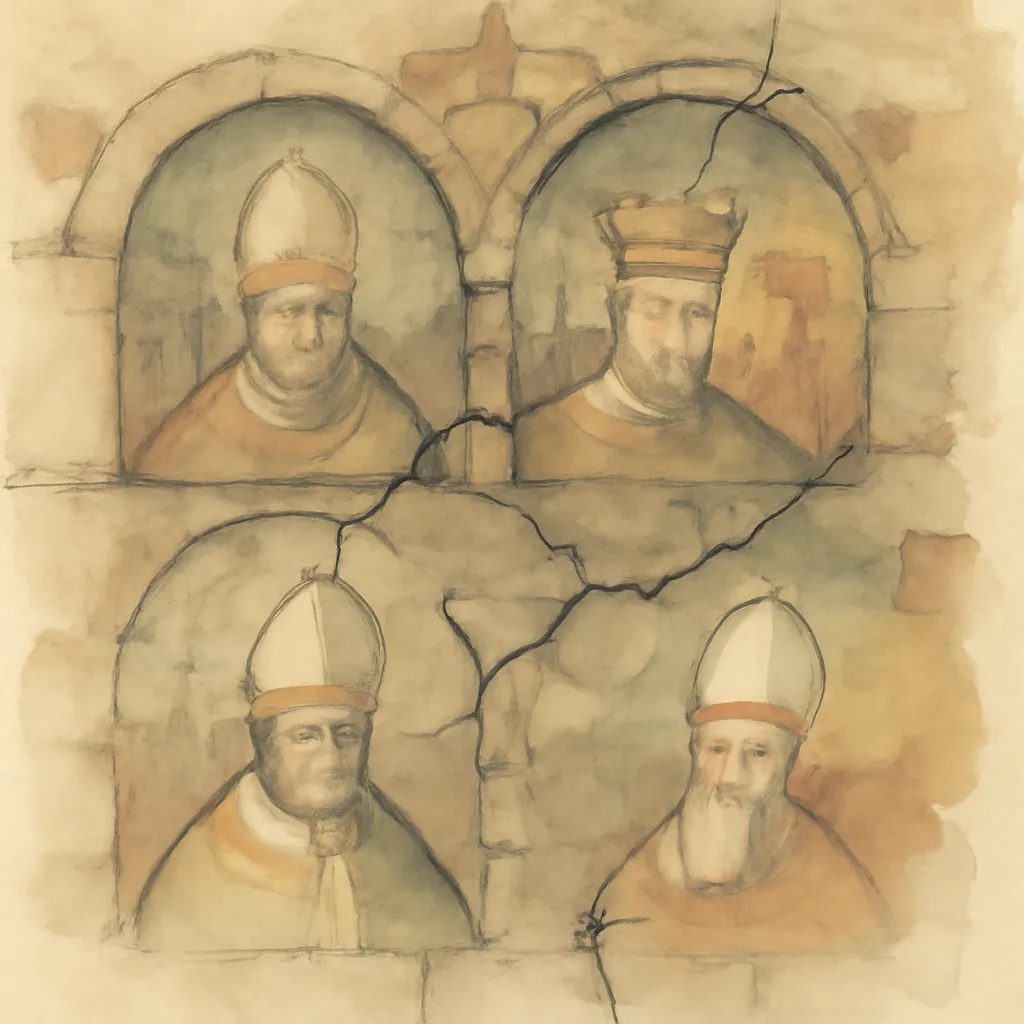
Far from a monolithic institution, the papacy has been occupied by men from a wide array of backgrounds: martyrs, monks, noblemen, scholars, reformers, and even the occasional layman. Maxwell-Stuart highlights how these varied origins influenced the priorities and policies of each pontificate, underscoring the human dimension—ambition, piety, frailty—behind the office.
3.The Interplay of Spiritual and Temporal Power
The Chronicle foregrounds the dual role of the pope as both spiritual leader and temporal ruler. The book explores how popes navigated the tension between their religious mission and the demands of political power, from crowning emperors to excommunicating kings. This duality is key to understanding the Church’s enduring influence and the controversies that have surrounded it.
4.Patterns of Reform and Corruption
Throughout its history, the papacy has swung between periods of reform and episodes of corruption or scandal. Maxwell-Stuart does not shy away from the darker chapters—nepotism, simony, and political intrigue—but also highlights reformers who sought to restore the Church’s integrity. This cyclical pattern is presented as a central dynamic in papal history.
5.The Papacy’s Global Reach
While rooted in Rome, the papacy’s influence has been global, especially in the modern era. The book tracks the expansion of Catholicism beyond Europe, the challenges of modernity, and the evolving role of the pope as a global moral authority. The inclusion of recent popes illustrates the ongoing adaptation of the office to a rapidly changing world.
6.Visual Storytelling and Accessibility
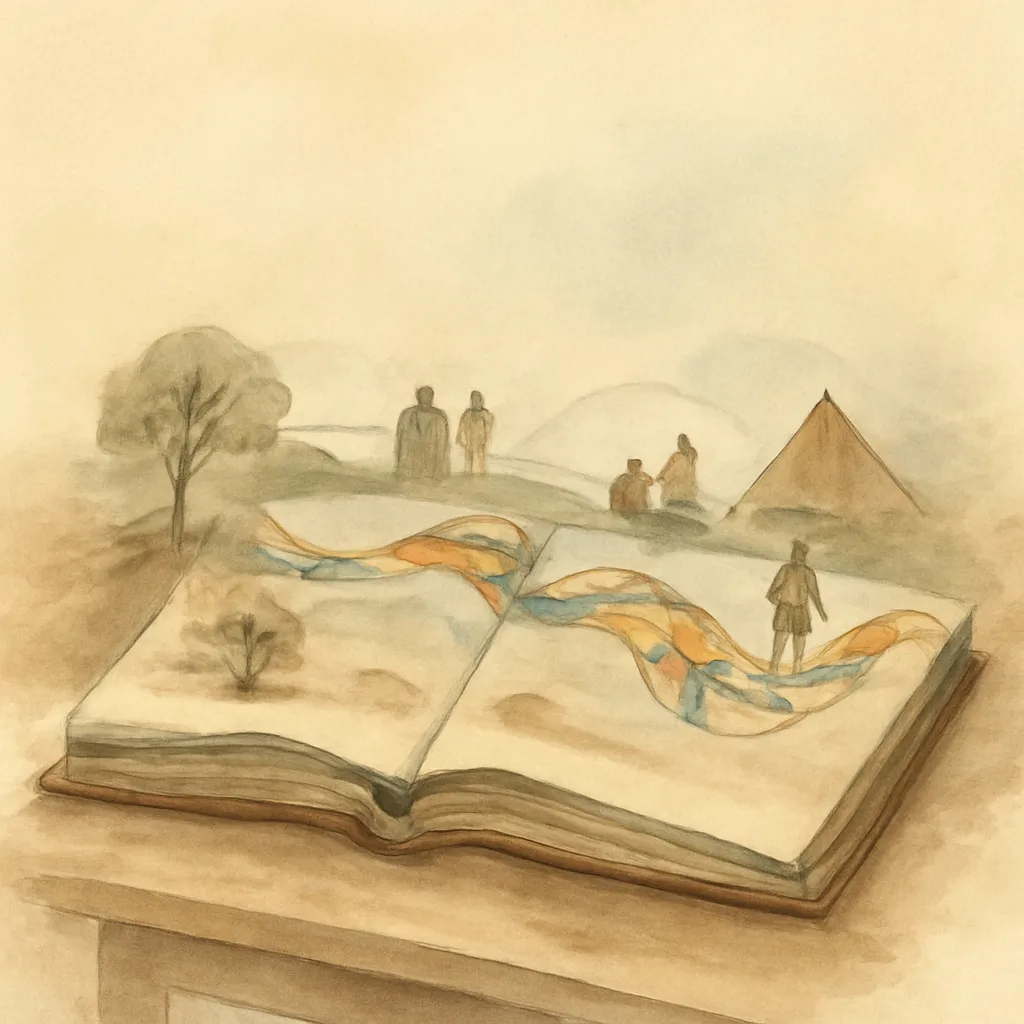
One of the book’s distinctive features is its use of illustrations, timelines, and datafiles, making complex history approachable and engaging. Maxwell-Stuart’s format allows readers to dip in for quick reference or read sequentially for a broader understanding, making it valuable for both casual readers and serious students.