

Political sociology · Politics and government · Social conditions
The Civilizing Process by Norbert Elias — Summary, Key Ideas & Quotes
1937474 pages✦ 3-min Big ideas★ 5.0 (1)
Rate it
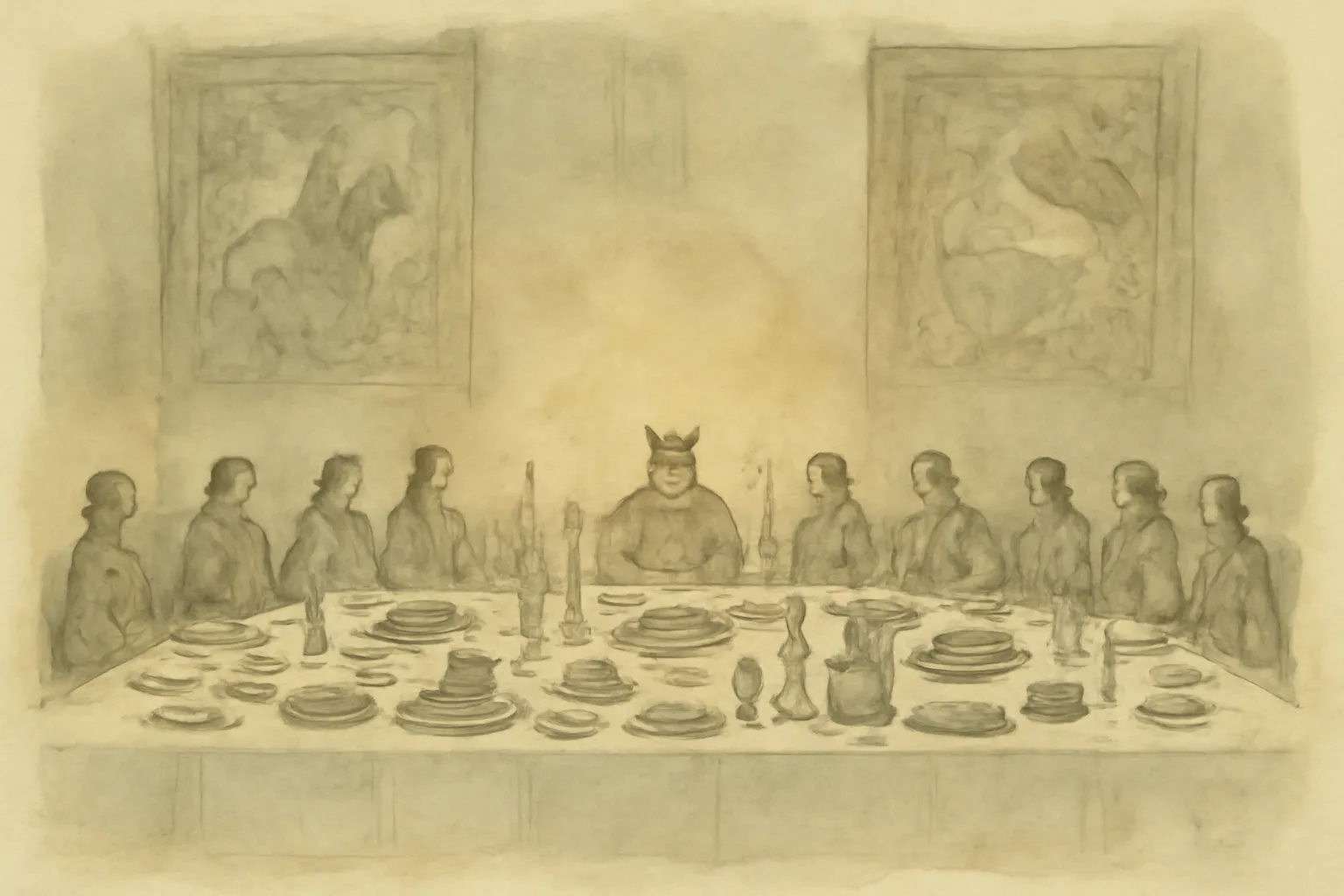
Elias traces the transformation of social behaviors from the Middle Ages to the modern era, showing how practices around eating, bodily functions, and emotional restraint gradually became more regulated and refined. He argues that these changes weren’t superficial; rather, they reflected deeper shifts in how people related to each other and to authority. The 'civilizing' of manners was a slow, collective process, not the result of individual enlightenment.
A core argument is that as societies grew more complex and interdependent, individuals had to exercise greater self-control to function within them. This wasn’t just about etiquette—it was about internalizing social expectations, leading to what Elias calls the 'psychologization' of behavior. Over time, people became more aware of themselves as objects of others’ observation and judgment, shaping their conduct accordingly.
“The history of manners is the history of the threshold of shame.”
“The civilizing process is the history of the formation of the state and the individual.”

