1.The Evolution of Manners
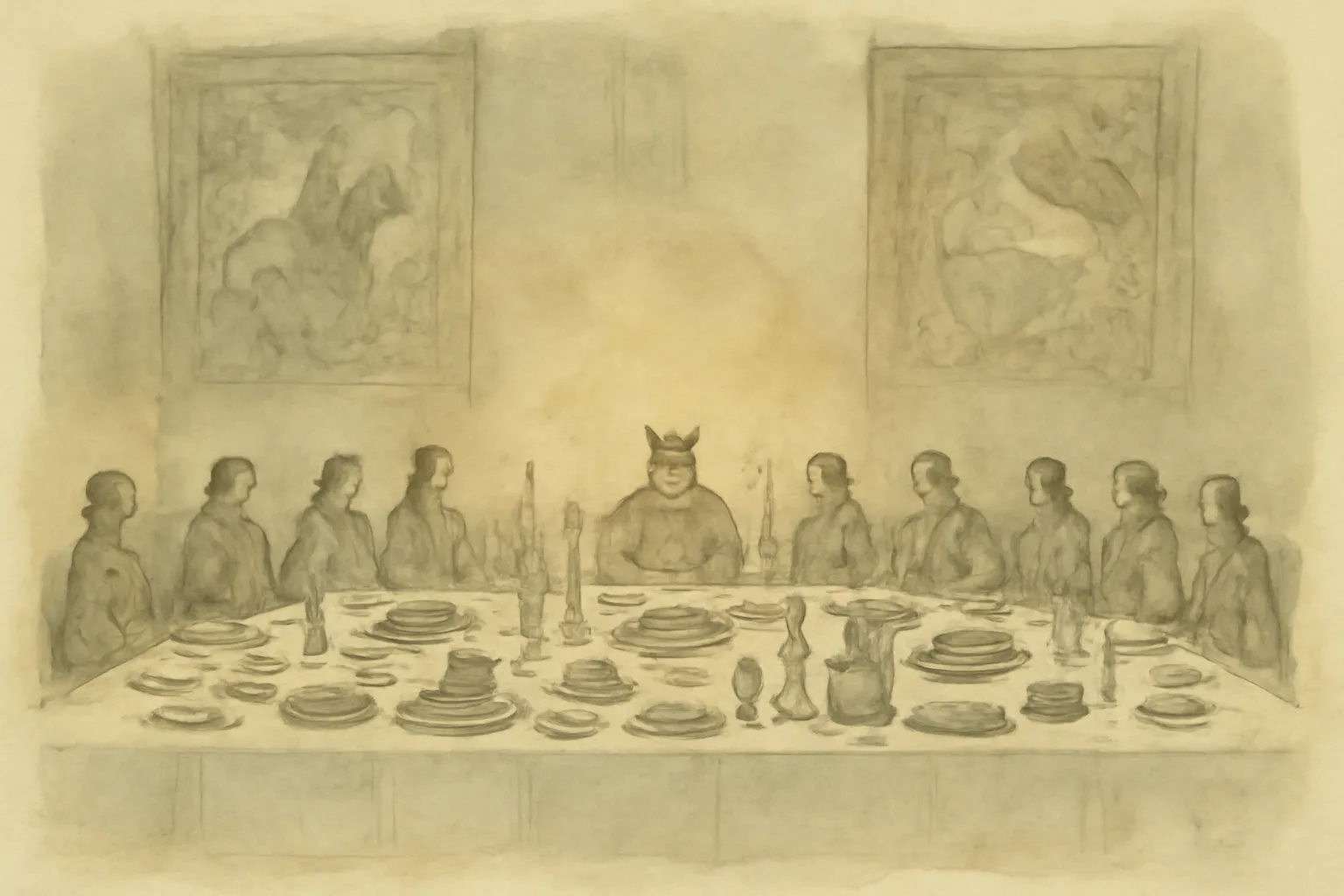
Elias traces the transformation of social behaviors from the Middle Ages to the modern era, showing how practices around eating, bodily functions, and emotional restraint gradually became more regulated and refined. He argues that these changes weren’t superficial; rather, they reflected deeper shifts in how people related to each other and to authority. The 'civilizing' of manners was a slow, collective process, not the result of individual enlightenment.
2.Interdependence and Social Restraint
A core argument is that as societies grew more complex and interdependent, individuals had to exercise greater self-control to function within them. This wasn’t just about etiquette—it was about internalizing social expectations, leading to what Elias calls the 'psychologization' of behavior. Over time, people became more aware of themselves as objects of others’ observation and judgment, shaping their conduct accordingly.
3.Power, State Formation, and Civilization
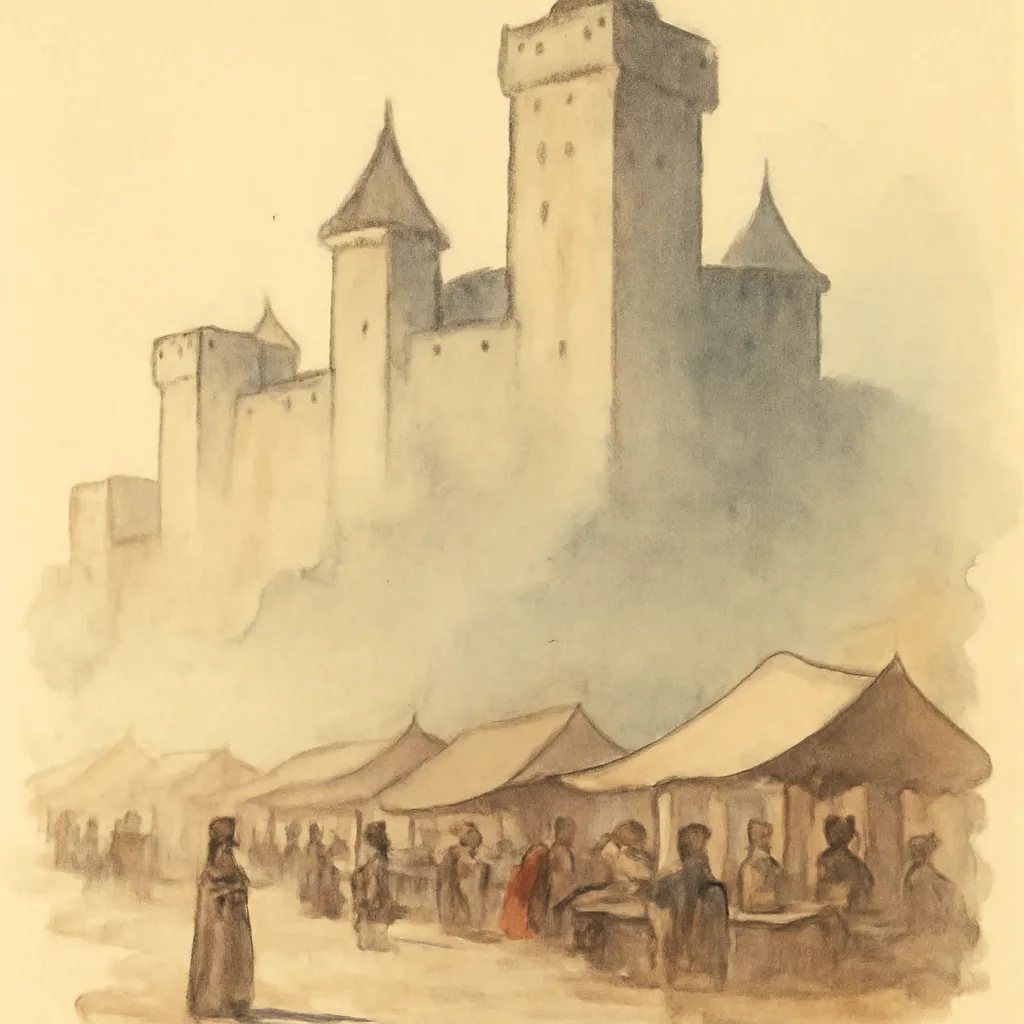
Elias links the development of manners to the centralization of power and the rise of the modern state. As monarchies consolidated control, they imposed new standards of behavior on the nobility, which then trickled down through society. The state’s monopoly on violence and justice made personal restraint both necessary and valued, intertwining political structures with everyday life.
4.Shifting Notions of Shame and Embarrassment
The book explores how feelings of shame, embarrassment, and disgust evolved alongside social norms. What was once publicly acceptable became private, and new taboos emerged. Elias shows that these emotional responses are not innate but socially produced, reflecting broader changes in what is considered 'civilized.'
5.Long-Term Social Processes
Rather than seeing history as a series of abrupt changes, Elias emphasizes gradual, interconnected developments over centuries. He introduces the concept of 'figuration'—networks of interdependent individuals whose relationships drive historical change. This approach challenges simplistic explanations and highlights the complexity of social evolution.
6.The Myth of Linear Progress
Elias warns against viewing civilization as a straightforward march toward improvement. The process is uneven, reversible, and shaped by power struggles and shifting social dynamics. He encourages readers to see 'civilization' as a contested, ongoing process rather than a finished achievement.