

Individualism · Human beings
The Society of Individuals by Norbert Elias — Summary, Key Ideas & Quotes
2001301 pages✦ 3-min Big ideas
Rate it
Originally published in 1991 and now reissued by Continuum International, this book consists of three sections. The first, written in 1939, was either left out of Elias's most famous book, The Civilizing Process, or was written along with it. Part 2 was written between 1940 and 1960. Part 3 is from 1987. The entire book is a study of the unique relationship between the individual and society--Elias's best-known theme and the basis for the discipline of sociology.
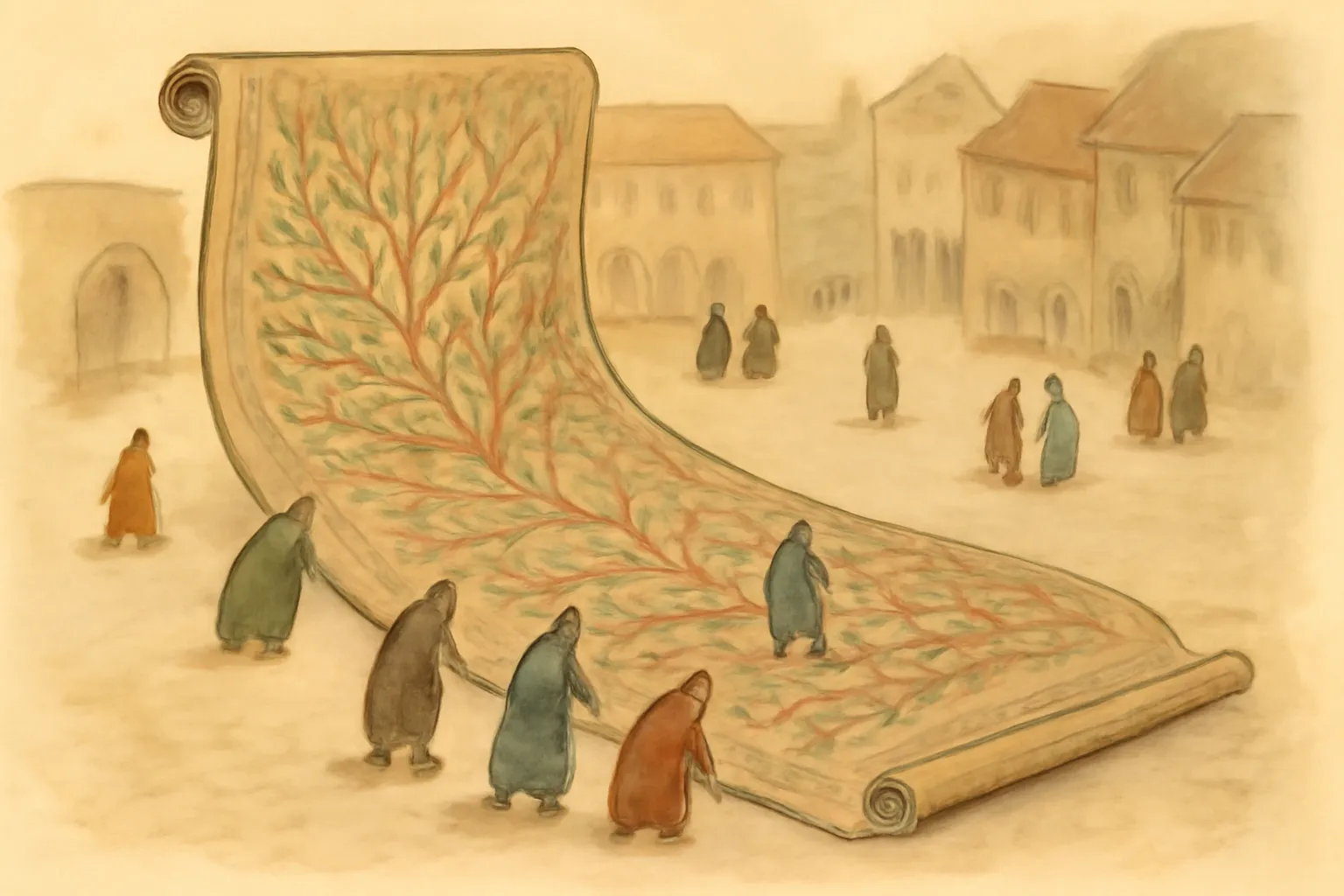
Elias dismantles the common Western notion that individuals exist independently from society. Instead, he argues that the very concept of an individual only makes sense within a social context. Our personalities, desires, and even our sense of autonomy are shaped by the social structures and historical processes we inhabit. This challenges both extreme individualism and simplistic collectivism, suggesting a complex, dynamic interplay where neither the individual nor society can be understood in isolation.
Central to Elias’s thought is the idea that both individuals and societies are not static entities but ongoing processes. He rejects the idea of fixed human nature, emphasizing instead that people are always in the making, shaped by long-term social developments. This processual view helps explain how social norms, manners, and behaviors evolve over generations, and why our sense of self is always in flux.
“Society is not something outside and above individuals; it is within them.”

