1.Individuals and Society Are Inseparable
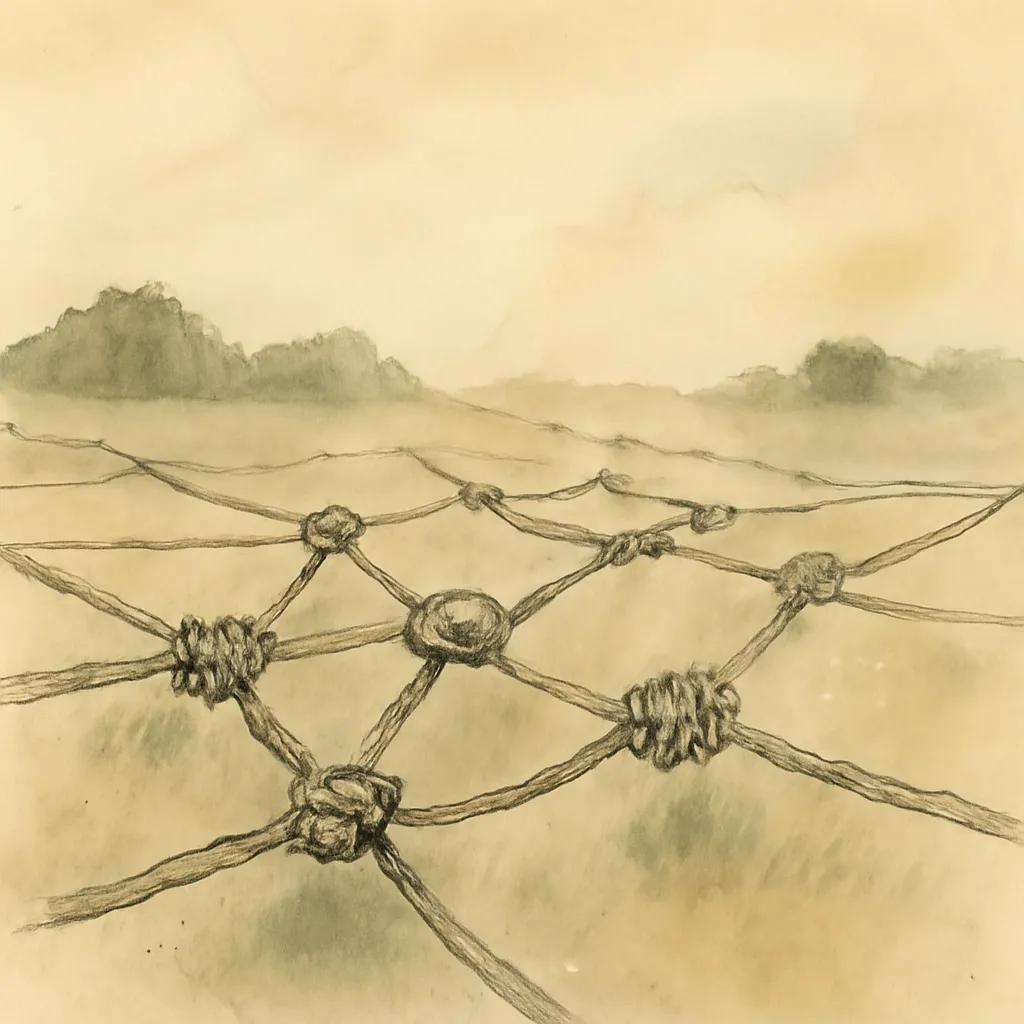
Elias dismantles the common Western notion that individuals exist independently from society. Instead, he argues that the very concept of an individual only makes sense within a social context. Our personalities, desires, and even our sense of autonomy are shaped by the social structures and historical processes we inhabit. This challenges both extreme individualism and simplistic collectivism, suggesting a complex, dynamic interplay where neither the individual nor society can be understood in isolation.
2.The Processual View of Human Beings
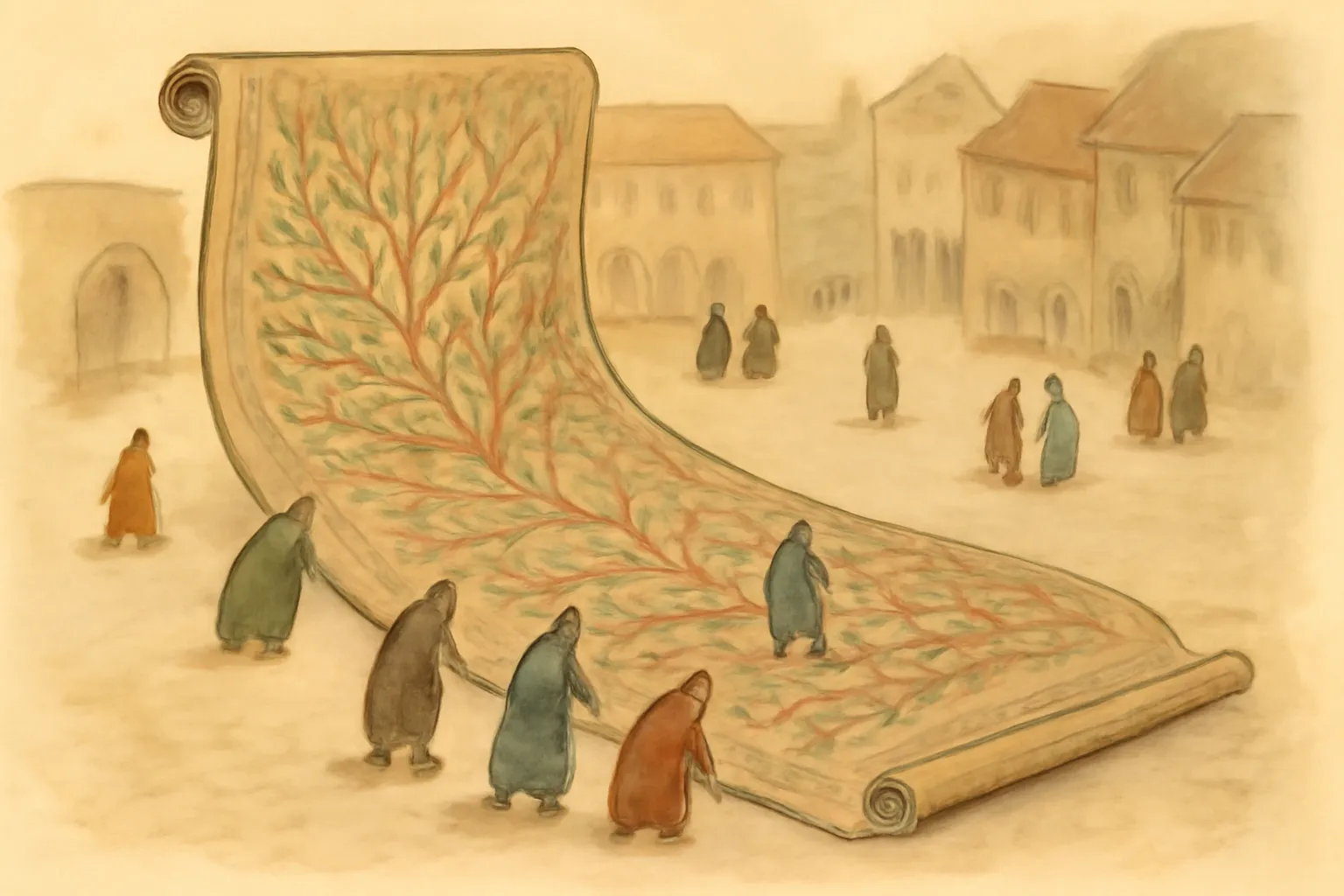
Central to Elias’s thought is the idea that both individuals and societies are not static entities but ongoing processes. He rejects the idea of fixed human nature, emphasizing instead that people are always in the making, shaped by long-term social developments. This processual view helps explain how social norms, manners, and behaviors evolve over generations, and why our sense of self is always in flux.
3.The 'We-I Balance'
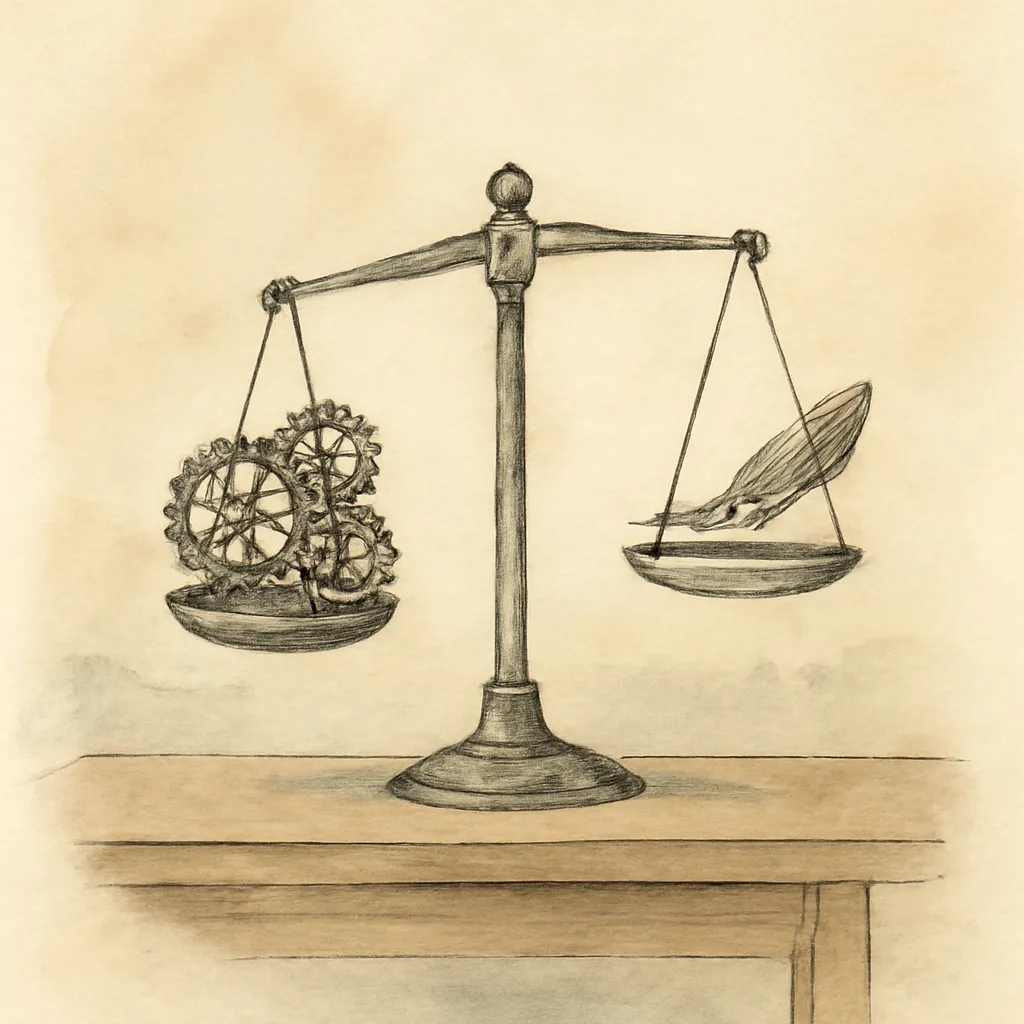
Elias introduces the concept of the 'we-I balance' to describe the tension and negotiation between collective belonging and personal autonomy. In different societies and historical periods, the balance shifts, influencing how people relate to themselves and others. Modern societies, he argues, tend to emphasize the 'I,' but this is always relative to the 'we'—our embeddedness in groups, institutions, and traditions.
4.Long-term Social Development and the Civilizing Process
Building on his earlier work, Elias situates individuality within the broader 'civilizing process'—the gradual, often unconscious transformation of social habits, emotions, and self-restraint over centuries. He shows that what we consider 'individual' traits are often the result of deep social conditioning and historical change, not innate qualities.
5.Critique of Philosophical Dualisms
Elias criticizes traditional philosophical oppositions—such as individual vs. society, nature vs. nurture, or freedom vs. constraint—as misleading and simplistic. He urges readers to see these as interconnected aspects of a single, evolving reality. By doing so, he opens up new ways of thinking about human agency, responsibility, and the possibilities for social change.
6.Implications for Modern Identity and Social Problems
Elias’s analysis has far-reaching implications for contemporary debates about identity, alienation, and community. He suggests that many modern social problems stem from a misunderstanding of the individual-society relationship, and that genuine freedom and self-realization depend on recognizing our social embeddedness rather than denying it.