
Civilisation · Civilización moderna · Civilization, Modern
The Clash of Civilizations and the Remaking of World Order by Samuel P. Huntington — Summary, Key Ideas & Quotes
1996404 pages✦ 3-min Big ideas★ 3.6 (14)
Rate it
From the Preface... In the summer of 1993 the journal Foreign Affairs published an article of mine titled "The Clash of Civilizations?". That article, according to the Foreign Affairs editors, stirred up more discussion in three years than any other article they had published since the 1940s. It certainly stirred up more debate in three years than anything else I have written. The responses and comments on it have come from every continent and scores of countries. People were variously impressed, intrigued, outraged, frightened, and perplexed by my argument that the central and most dangerous dimension of the emerging global politics would be conflict between groups from differing civilizations. Whatever else it did, the article struck a nerve in people of every civilization. Given the interest in, misrepresentation of, and controversy over the article, it seemed desirable for me to explore further the issues it raised. One constructive way of posing a question is to state an hypothesis. The article, which had a generally ignored question mark in its title, was an effort to do that. This book is intended to provide a fuller, deeper, and more thoroughly documented answer to the article's question. I here attempt to elaborate, refine, supplement, and, on occasion, qualify the themes set forth in the article and to develop many ideas and cover many topics not dealt with or touched on only in passing in the article.
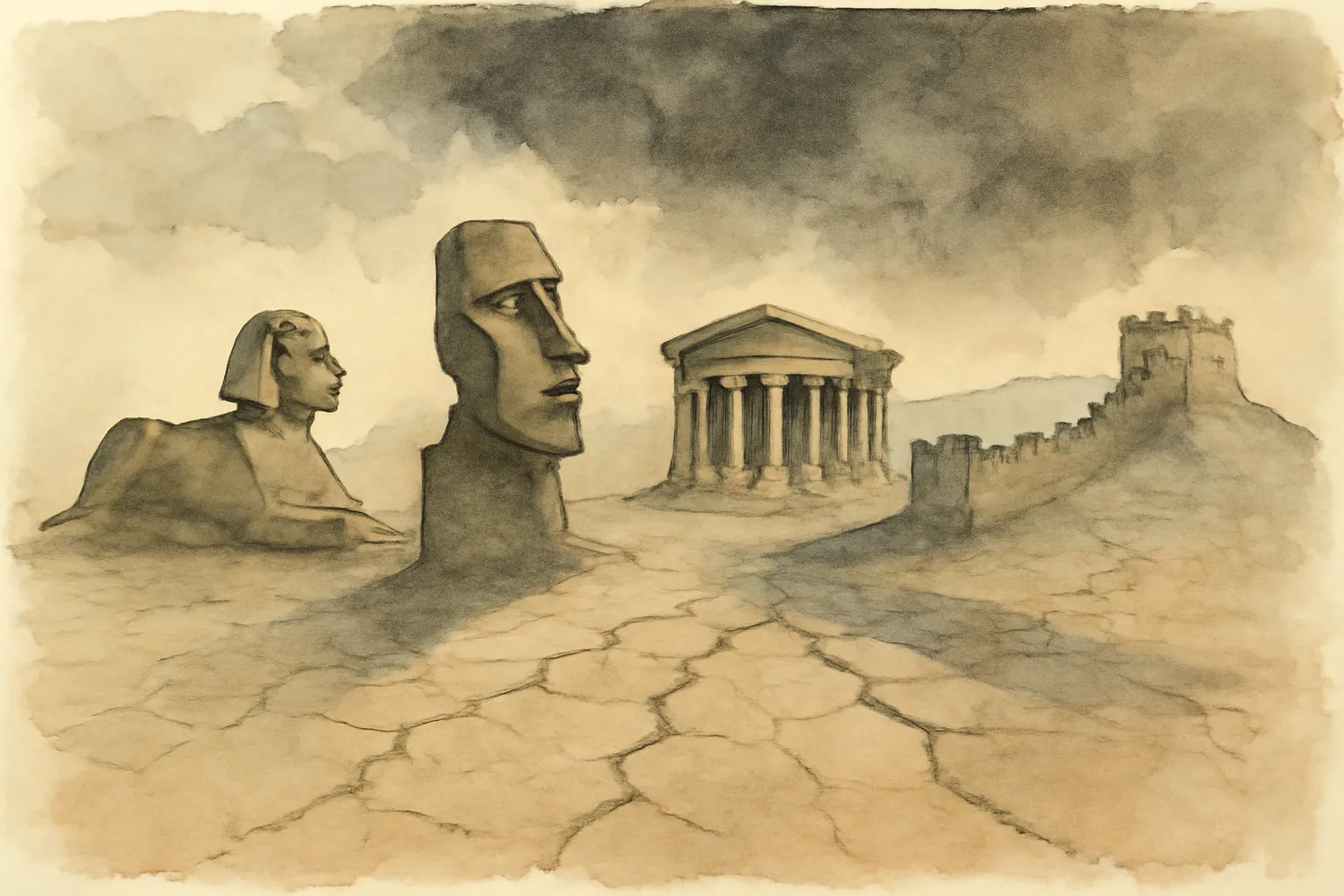
Huntington argues that after the Cold War, the primary sources of conflict will no longer be ideological or economic, but cultural. He defines civilizations as the broadest cultural groupings—such as Western, Islamic, Sinic (Chinese), Hindu, and others—and contends that the boundaries between these civilizations are becoming the main lines of global tension. This shift means that clashes are less about nation-states or political systems and more about deep-rooted identities and values.
The book posits that the world is moving away from a Western-dominated, unipolar order toward a multipolar system where several major civilizations have their own centers of power. Huntington suggests that Western universalism—the idea that Western values are or should be global norms—will increasingly be resisted, as other civilizations assert their own cultural and political models.