1.Civilizations as the New Fault Lines
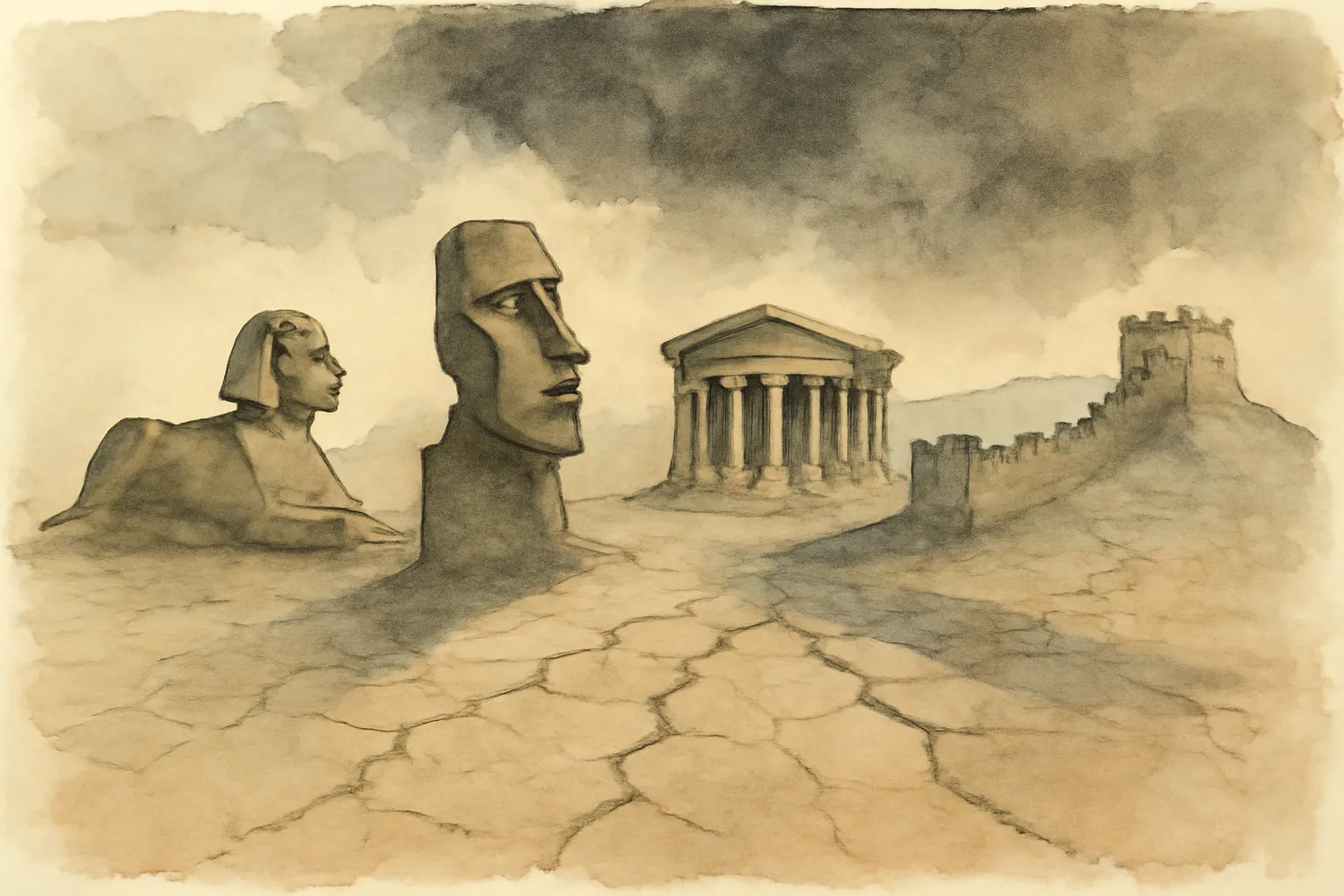
Huntington argues that after the Cold War, the primary sources of conflict will no longer be ideological or economic, but cultural. He defines civilizations as the broadest cultural groupings—such as Western, Islamic, Sinic (Chinese), Hindu, and others—and contends that the boundaries between these civilizations are becoming the main lines of global tension. This shift means that clashes are less about nation-states or political systems and more about deep-rooted identities and values.
2.The Multipolar World Order
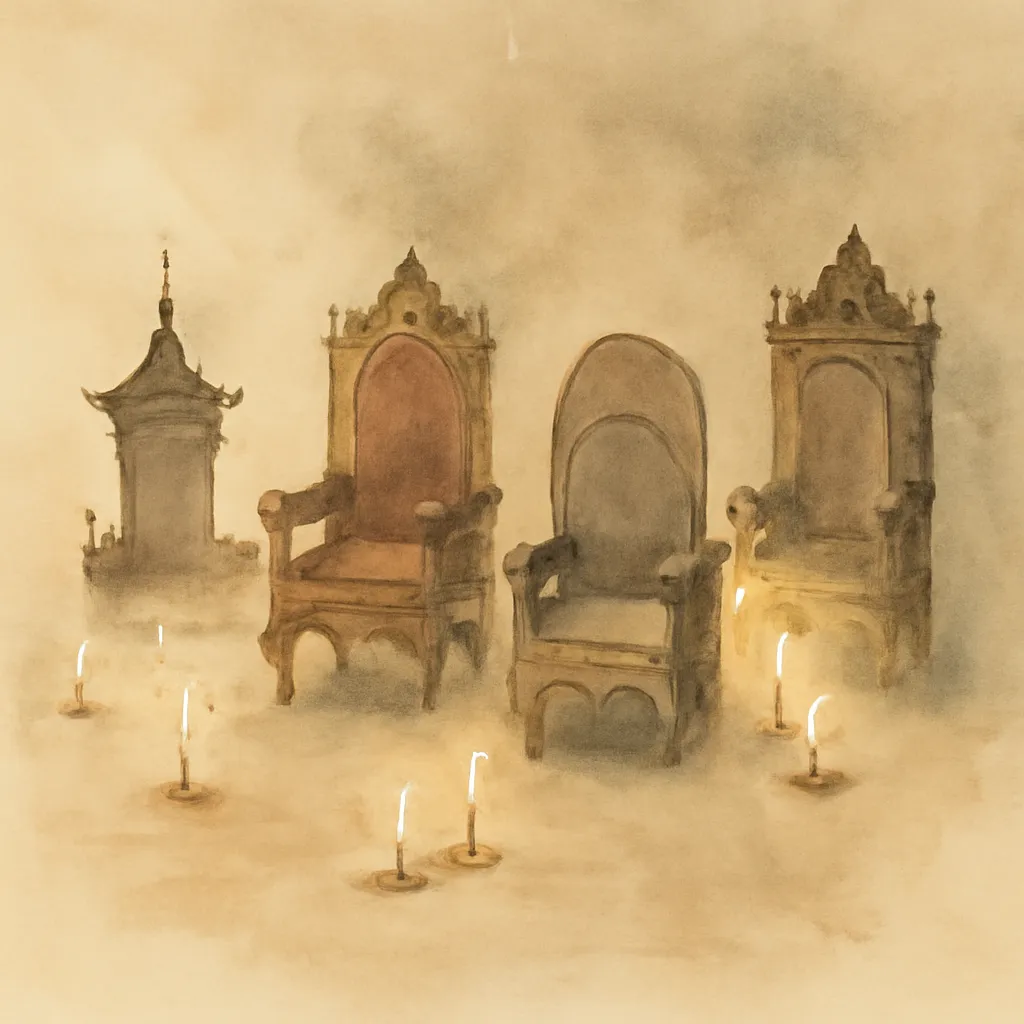
The book posits that the world is moving away from a Western-dominated, unipolar order toward a multipolar system where several major civilizations have their own centers of power. Huntington suggests that Western universalism—the idea that Western values are or should be global norms—will increasingly be resisted, as other civilizations assert their own cultural and political models.
3.The Core State and ‘Torn Countries’
Huntington introduces the concepts of 'core states'—leading nations within each civilization that shape and defend their civilization’s interests—and 'torn countries,' which are caught between civilizations (such as Turkey or Mexico). These countries face internal and external pressures as they attempt to reconcile competing cultural identities, often leading to instability or conflict.
4.Fault Line Conflicts and Kin-Country Syndrome
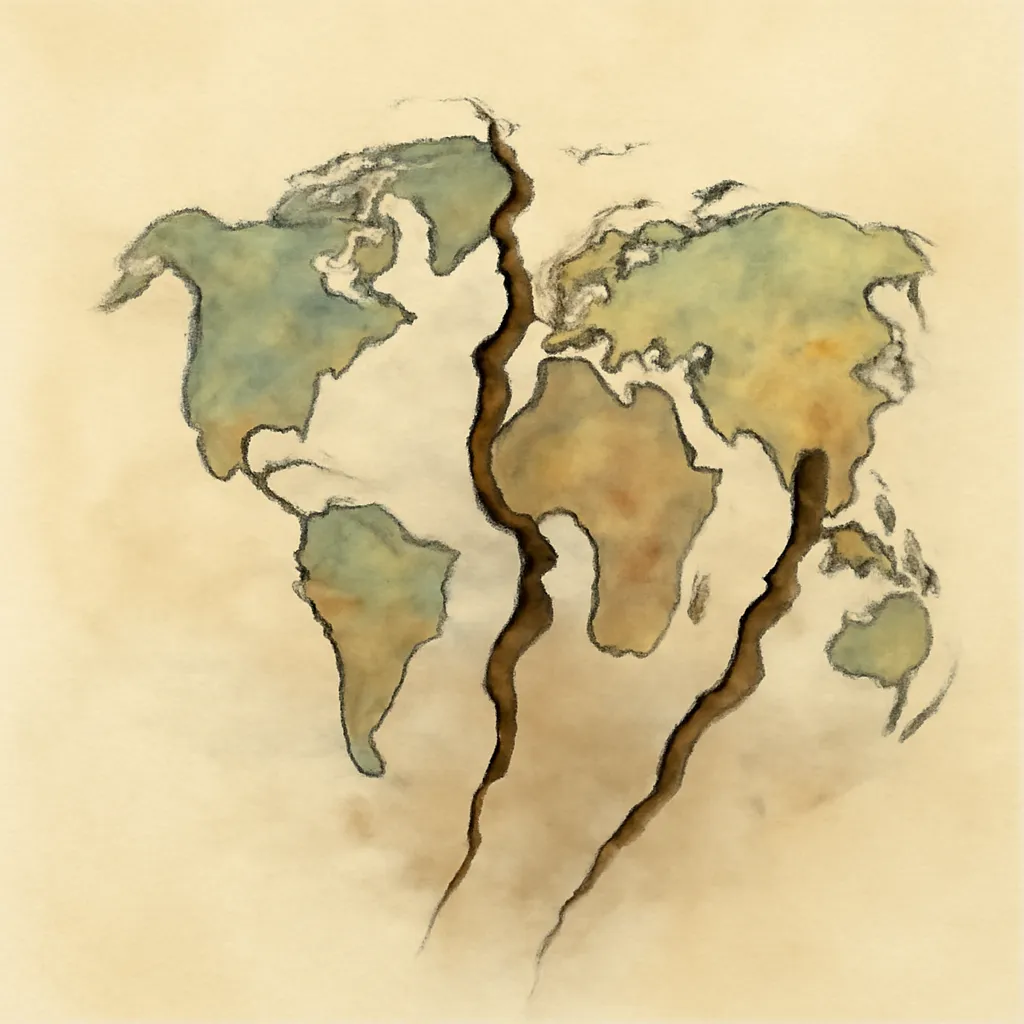
Conflicts are most likely to erupt along 'fault lines'—the borders where civilizations meet. Huntington observes that when such conflicts occur, states within the same civilization often rally to support their 'kin countries,' escalating local disputes into broader confrontations. This dynamic complicates efforts at resolution, as cultural solidarity can override diplomatic or pragmatic considerations.
5.Implications for the West
Huntington warns that the West must recognize its values are not universally shared and should avoid imposing them on others. He urges Western societies to strengthen their own cultural cohesion and adapt to a world where power is more evenly distributed among civilizations. Failing to do so could lead to increased friction and misunderstandings with non-Western societies.
6.Critique of Globalization Optimism
The book challenges the optimistic view that globalization will inevitably lead to greater harmony and convergence. Huntington argues that increased interaction between civilizations can actually heighten awareness of differences, making clashes more likely rather than less. This skepticism about the 'end of history' thesis sets Huntington apart from more idealistic contemporary thinkers.