
20th century · Armed Forces · Cold War
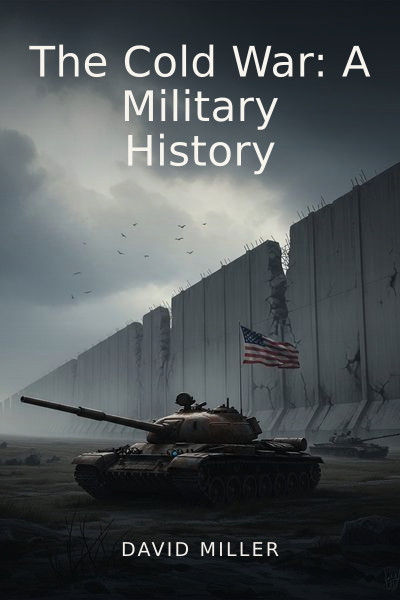
The Cold War: A Military History by David Miller — Summary, Key Ideas & Quotes
1998476 pages✦ 3-min Big ideas
Rate it
From 1949 to 1991, the world was overshadowed by the Cold War, and when it ended the Warsaw Pact was wound up and the vast military forces which had flourished for over 40 years were disbanded. As with all wars, however, it was only then that the realities of what had been involved began to emerge.;In this work, the author reveals the vast scope of the military resources involved, as well as how threat nearly became a terrible reality. He also show that while the menace of nuclear was was predominant, it was actually little understood even by the experts. The book examines each military area in turn, covering the formation of the two great alliances, and the strategies and major weapons in the rival navies, armies and air forces.
Miller emphasizes that the Cold War was not merely an ideological or diplomatic standoff, but a period of intense military buildup and preparation. He meticulously details the vast scale of armed forces, bases, and weapon systems maintained by both NATO and the Warsaw Pact. The book highlights how these military preparations shaped politics, economies, and societies on both sides, revealing the enormous resources devoted to a war that, for the most part, remained un-fought.
A central theme is the doctrine of deterrence, particularly the concept of Mutually Assured Destruction (MAD). Miller explores how both sides built up nuclear arsenals not to use them, but to prevent the other from striking first. Yet, he shows that the actual understanding of nuclear strategy was often shallow or flawed, even among top decision-makers, and that the risk of miscalculation was ever-present.