1.The Military Machinery Behind the Curtain
Miller emphasizes that the Cold War was not merely an ideological or diplomatic standoff, but a period of intense military buildup and preparation. He meticulously details the vast scale of armed forces, bases, and weapon systems maintained by both NATO and the Warsaw Pact. The book highlights how these military preparations shaped politics, economies, and societies on both sides, revealing the enormous resources devoted to a war that, for the most part, remained un-fought.
2.The Logic—and Illogic—of Deterrence
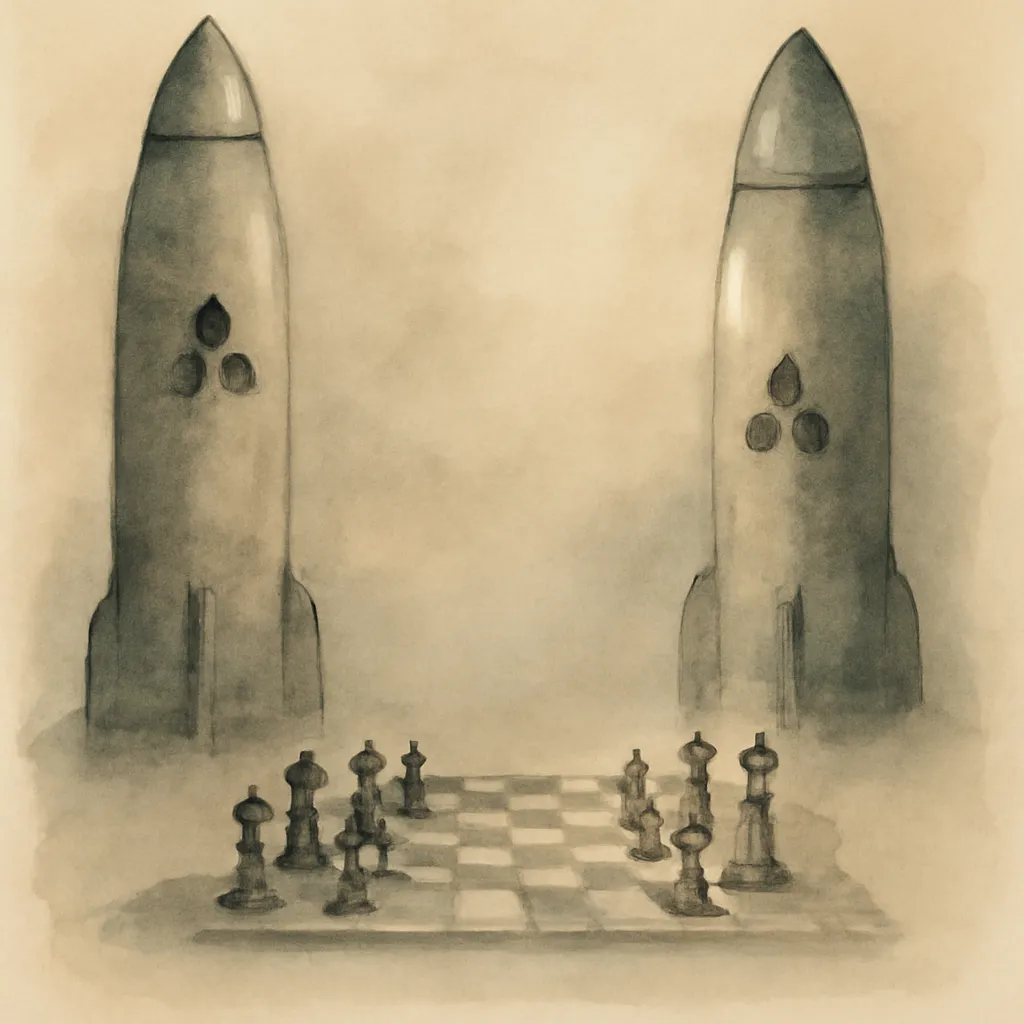
A central theme is the doctrine of deterrence, particularly the concept of Mutually Assured Destruction (MAD). Miller explores how both sides built up nuclear arsenals not to use them, but to prevent the other from striking first. Yet, he shows that the actual understanding of nuclear strategy was often shallow or flawed, even among top decision-makers, and that the risk of miscalculation was ever-present.
3.Alliances and Rivalries: NATO vs. Warsaw Pact
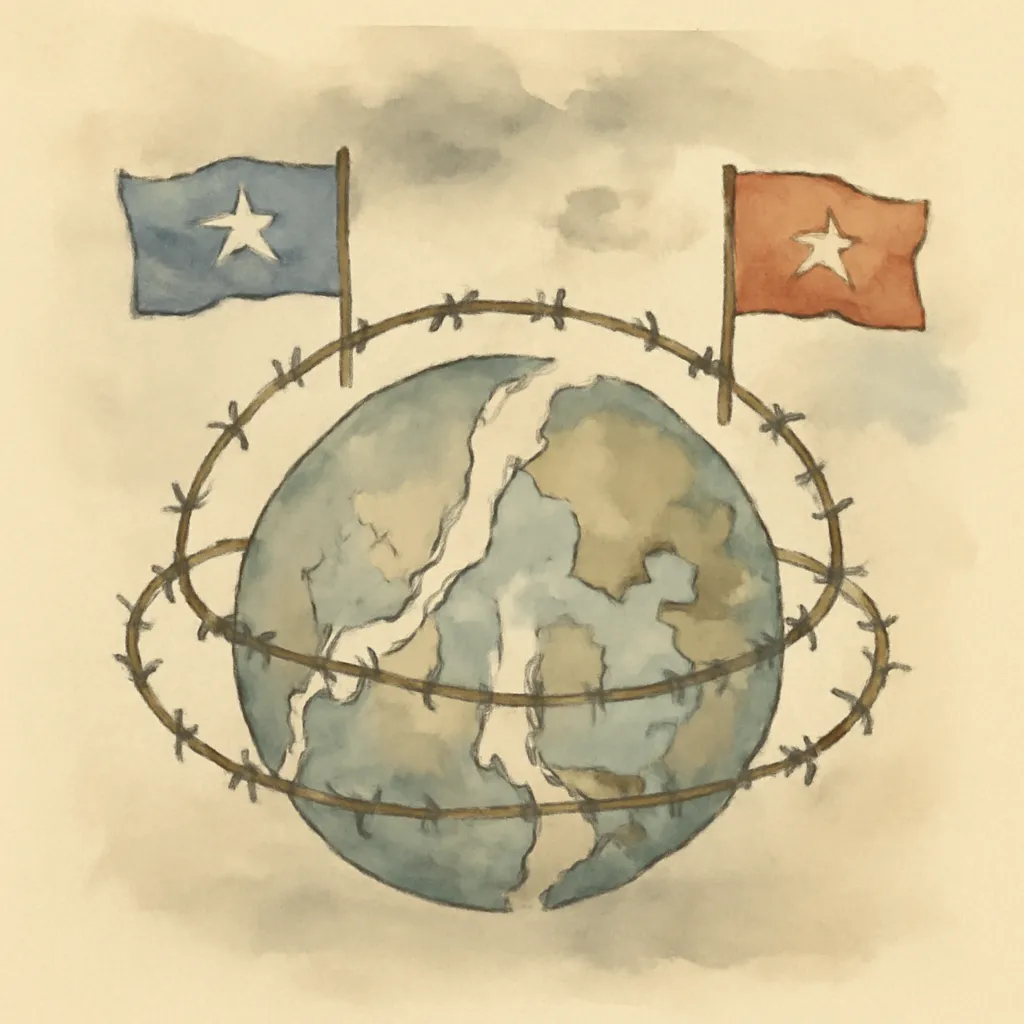
The book provides a clear analysis of how the two major alliances formed, evolved, and interacted. Miller explains the internal dynamics, strategic doctrines, and mutual suspicions that kept both NATO and the Warsaw Pact in a state of readiness. He also discusses the challenges of maintaining unity among diverse member states, and the constant adjustments required to keep up with technological and political shifts.
4.Technological Arms Race
Miller delves into the relentless technological competition that defined the era. From intercontinental ballistic missiles to advanced submarines and stealth aircraft, he shows how innovation was driven as much by fear and uncertainty as by genuine strategic necessity. The book makes clear that many of these weapons were developed in response to perceived threats that were sometimes exaggerated or misunderstood.
5.Conventional Forces: More Than Just Nukes
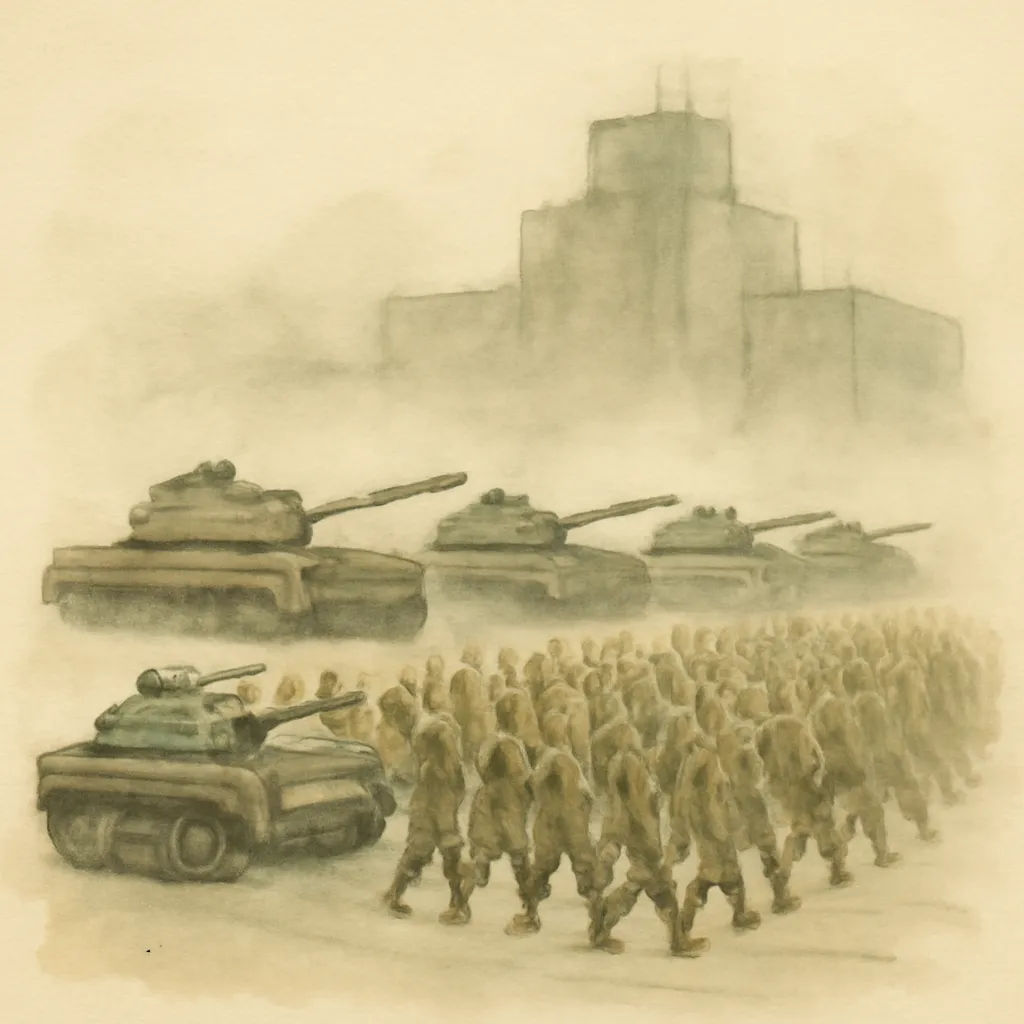
While nuclear weapons dominated the public imagination, Miller argues that conventional military forces were crucial in maintaining the Cold War balance. He details the massive armies, armored divisions, and air forces stationed in Europe and beyond, and analyzes how their presence shaped tactics, strategy, and diplomatic posturing throughout the Cold War period.
6.The Human and Economic Costs
Miller does not shy away from examining the enormous human and financial costs of maintaining Cold War militaries. He discusses the impact on soldiers, civilians, and national budgets, highlighting how the arms race diverted resources from other needs and left lasting scars on societies, even in the absence of open conflict.