

Government policy · Discrimination in housing · Segregation
The Color of Law: A Forgotten History of How Our Government Segregated America by Richard Rothstein — Summary, Key Ideas & Quotes
2017345 pages✦ 3-min Big ideas★ 4.6 (9)
Rate it
Widely heralded as a "masterful" (Washington Post) and "essential" (Slate) history of the modern American metropolis, Richard Rothstein's The Color of Law offers "the most forceful argument ever published on how federal, state, and local governments gave rise to and reinforced neighborhood segregation" (William Julius Wilson). Exploding the myth of de facto segregation arising from private prejudice or the unintended consequences of economic forces, Rothstein describes how the American government systematically imposed residential segregation: with undisguised racial zoning; public housing that purposefully segregated previously mixed communities; subsidies for builders to create whites-only suburbs; tax exemptions for institutions that enforced segregation; and support for violent resistance to African Americans in white neighborhoods. A groundbreaking, "virtually indispensable" study that has already transformed our understanding of twentieth-century urban history (Chicago Daily Observer), The Color of Law forces us to face the obligation to remedy our unconstitutional past.
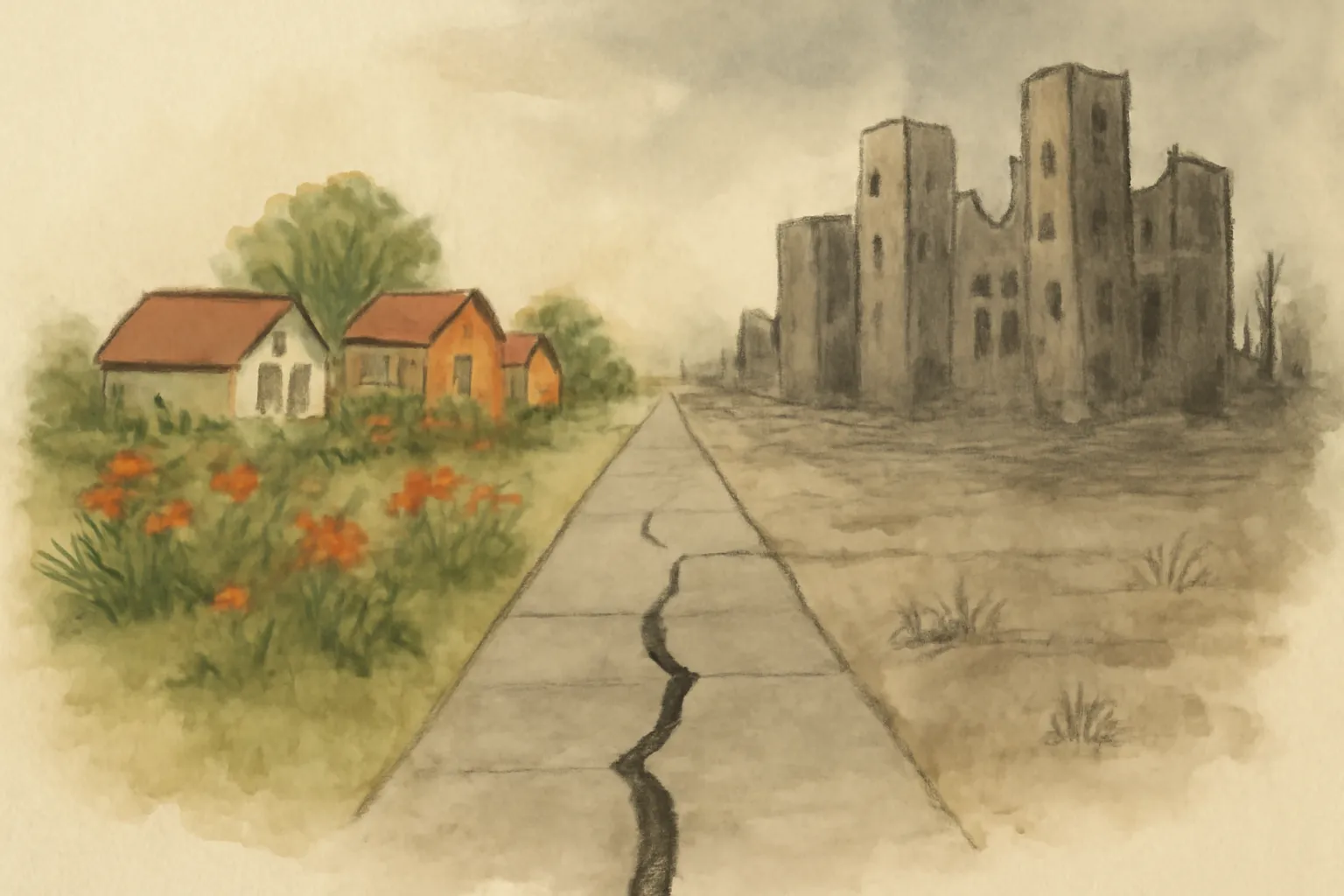
Rothstein dismantles the widespread belief that segregation in American cities happened 'de facto'—by private choice or economic circumstance. Instead, he demonstrates that it was 'de jure,' meaning it was created and maintained by explicit laws and government actions. Through zoning ordinances, redlining, and federal housing policies, authorities systematically separated Black and white Americans, making segregation a matter of public policy rather than personal bias alone.
The book details how agencies like the Federal Housing Administration and the Home Owners’ Loan Corporation promoted and enforced racial segregation. By refusing loans to Black families and subsidizing whites-only suburbs, these institutions entrenched racial divides and created generational wealth gaps. Rothstein shows that these policies were not just local quirks but coordinated at the highest levels of government.
“Residential segregation was created by racially explicit government policy, not by accident or by mere individual prejudice.”
“We have created a caste system in this country, with African Americans kept exploited and geographically separate by racially explicit government policies.”