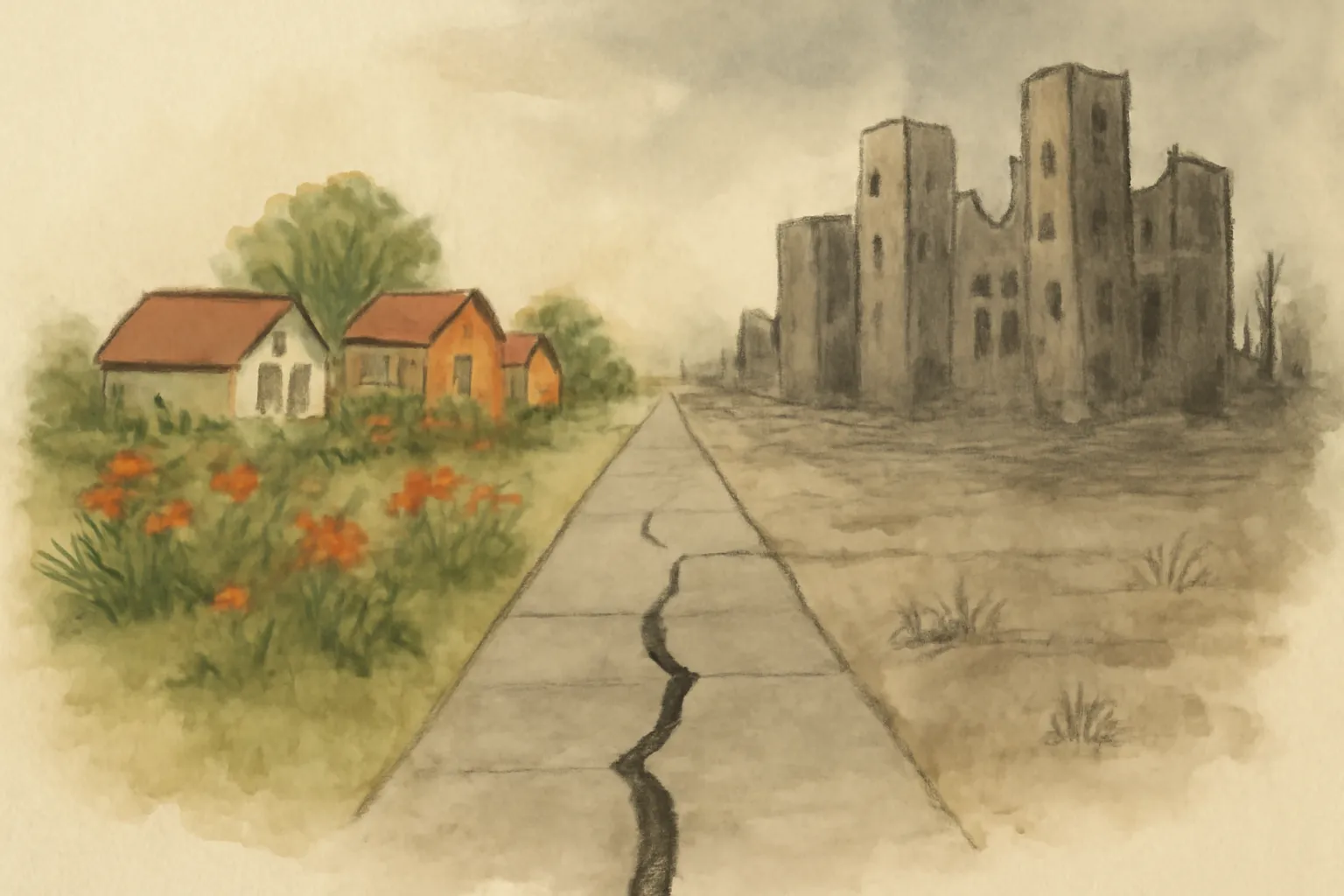
1.Segregation by Design, Not Accident
Rothstein dismantles the widespread belief that segregation in American cities happened 'de facto'—by private choice or economic circumstance. Instead, he demonstrates that it was 'de jure,' meaning it was created and maintained by explicit laws and government actions. Through zoning ordinances, redlining, and federal housing policies, authorities systematically separated Black and white Americans, making segregation a matter of public policy rather than personal bias alone.
2.Federal Housing Policy as a Tool of Segregation
The book details how agencies like the Federal Housing Administration and the Home Owners’ Loan Corporation promoted and enforced racial segregation. By refusing loans to Black families and subsidizing whites-only suburbs, these institutions entrenched racial divides and created generational wealth gaps. Rothstein shows that these policies were not just local quirks but coordinated at the highest levels of government.
3.Public Housing: From Integration to Segregation
Contrary to popular belief, early public housing projects were often integrated or located in mixed neighborhoods. Rothstein reveals how, over time, government officials deliberately segregated these projects, sometimes relocating white residents to new, whites-only developments and confining Black residents to separate, underfunded ones. This process deepened racial divisions and concentrated poverty.
4.Legal and Social Reinforcement of Segregation
Beyond housing policy, Rothstein examines how courts, police, and local governments reinforced segregation. Laws banning Black families from certain neighborhoods, tax breaks for segregated institutions, and official tolerance or encouragement of violence against Black homeowners all worked together to maintain the color line. These actions made segregation self-sustaining and difficult to dismantle.
5.Myth-Busting and Moral Responsibility
A central argument is that the myth of de facto segregation lets society off the hook for remedying the damage. Rothstein insists that because segregation was government-imposed and unconstitutional, there is a collective legal and moral responsibility to address its legacy. He calls for policy changes and reparative actions, challenging readers to move beyond denial and complacency.
6.The Enduring Impact on Inequality
Rothstein connects historical policies to present-day disparities in wealth, education, and opportunity. Segregation’s legacy is visible in persistent gaps between Black and white Americans in homeownership, school funding, and neighborhood resources. The book argues that without acknowledging and addressing these roots, efforts at reform will fall short.