

Knowledge, theory of · Logical positivism · Philosophy
The Conscious Mind by David J. Chalmers — Summary, Key Ideas & Quotes
2012504 pages✦ 3-min Big ideas
Rate it
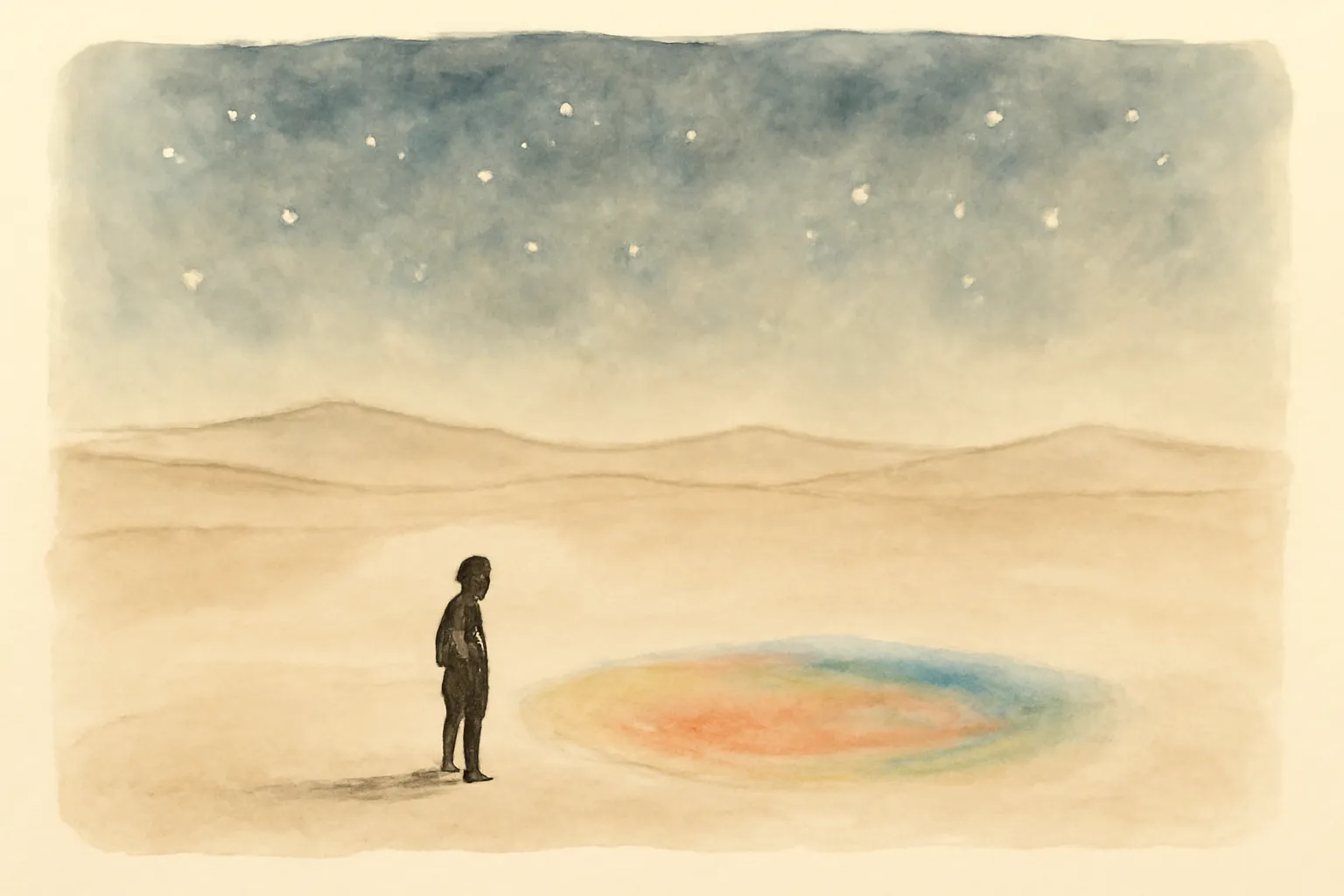
Chalmers distinguishes between the 'easy problems' of consciousness—explaining cognitive functions and behaviors—and the 'hard problem': why and how subjective experiences (qualia) arise at all. While science can map brain activity and explain behavior, it struggles to account for the inner, felt quality of experience. Chalmers argues that this gap is not just a technical hurdle but points to a fundamental limitation in our current scientific framework.
Rejecting both reductive materialism and traditional dualism, Chalmers proposes 'naturalistic dualism.' He suggests that consciousness is a real, fundamental feature of the world, akin to space, time, or mass. While consciousness depends on physical processes, it cannot be fully explained by them. This position allows for scientific investigation while acknowledging consciousness as an irreducible phenomenon.
“There is nothing that we know more intimately than conscious experience, but there is nothing that is harder to explain.”
“The hard problem of consciousness is the problem of experience.”