1.The 'Hard Problem' of Consciousness
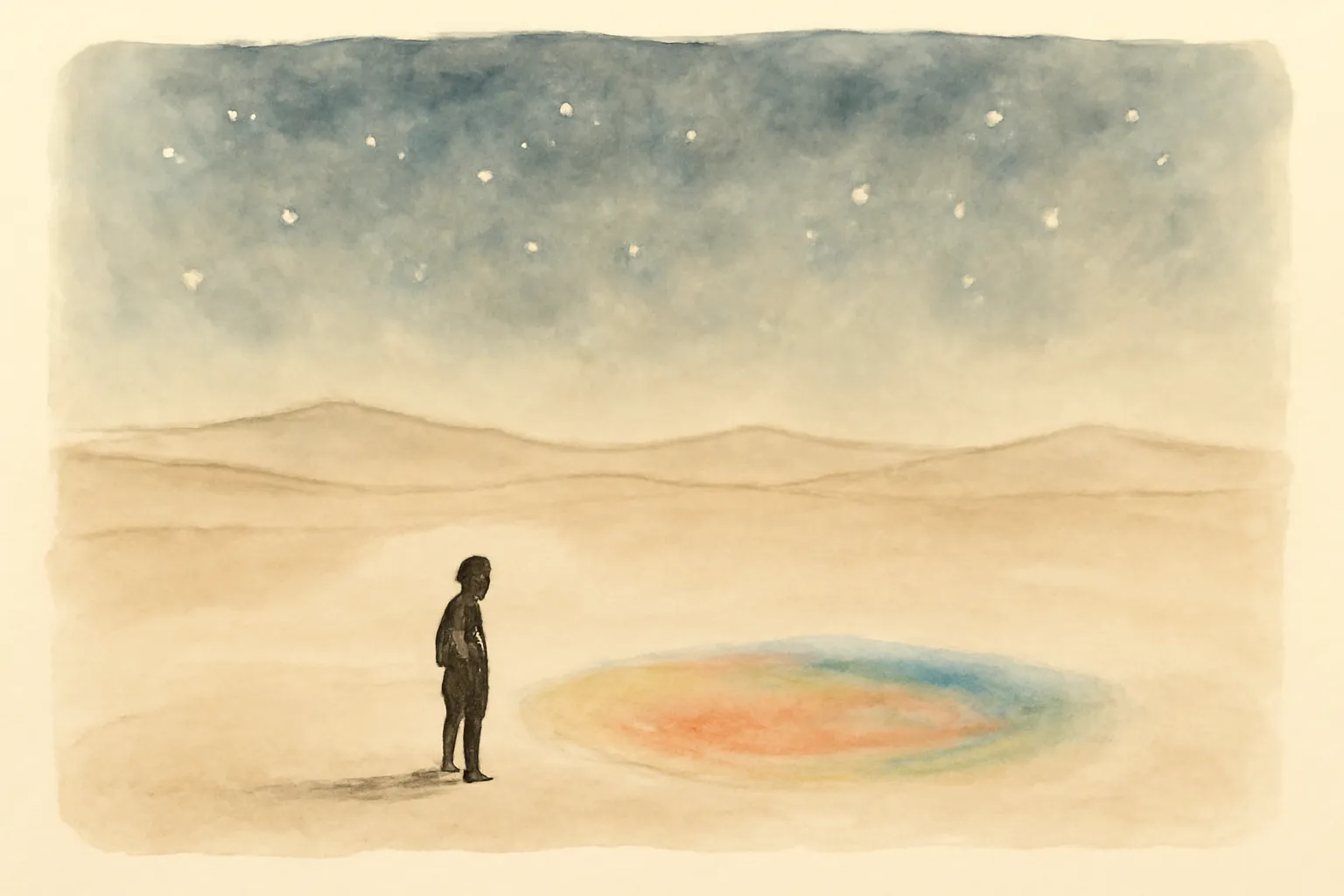
Chalmers distinguishes between the 'easy problems' of consciousness—explaining cognitive functions and behaviors—and the 'hard problem': why and how subjective experiences (qualia) arise at all. While science can map brain activity and explain behavior, it struggles to account for the inner, felt quality of experience. Chalmers argues that this gap is not just a technical hurdle but points to a fundamental limitation in our current scientific framework.
2.Naturalistic Dualism
Rejecting both reductive materialism and traditional dualism, Chalmers proposes 'naturalistic dualism.' He suggests that consciousness is a real, fundamental feature of the world, akin to space, time, or mass. While consciousness depends on physical processes, it cannot be fully explained by them. This position allows for scientific investigation while acknowledging consciousness as an irreducible phenomenon.
3.Consciousness as a Fundamental Property
Chalmers argues that consciousness should be regarded as a basic property of the universe, not something that can be derived from or reduced to physical facts. He likens this to how physics treats charge or mass: as fundamental entities. This move shifts the focus from seeking a reductive explanation to developing new principles that connect physical processes with conscious experience.
4.The Explanatory Gap
A central theme is the 'explanatory gap' between physical processes and subjective experience. Chalmers contends that no amount of objective data about the brain can fully explain why certain physical states are accompanied by particular experiences. This gap is not just epistemic (about what we know) but ontological (about what exists).
5.Conceivability and Zombies
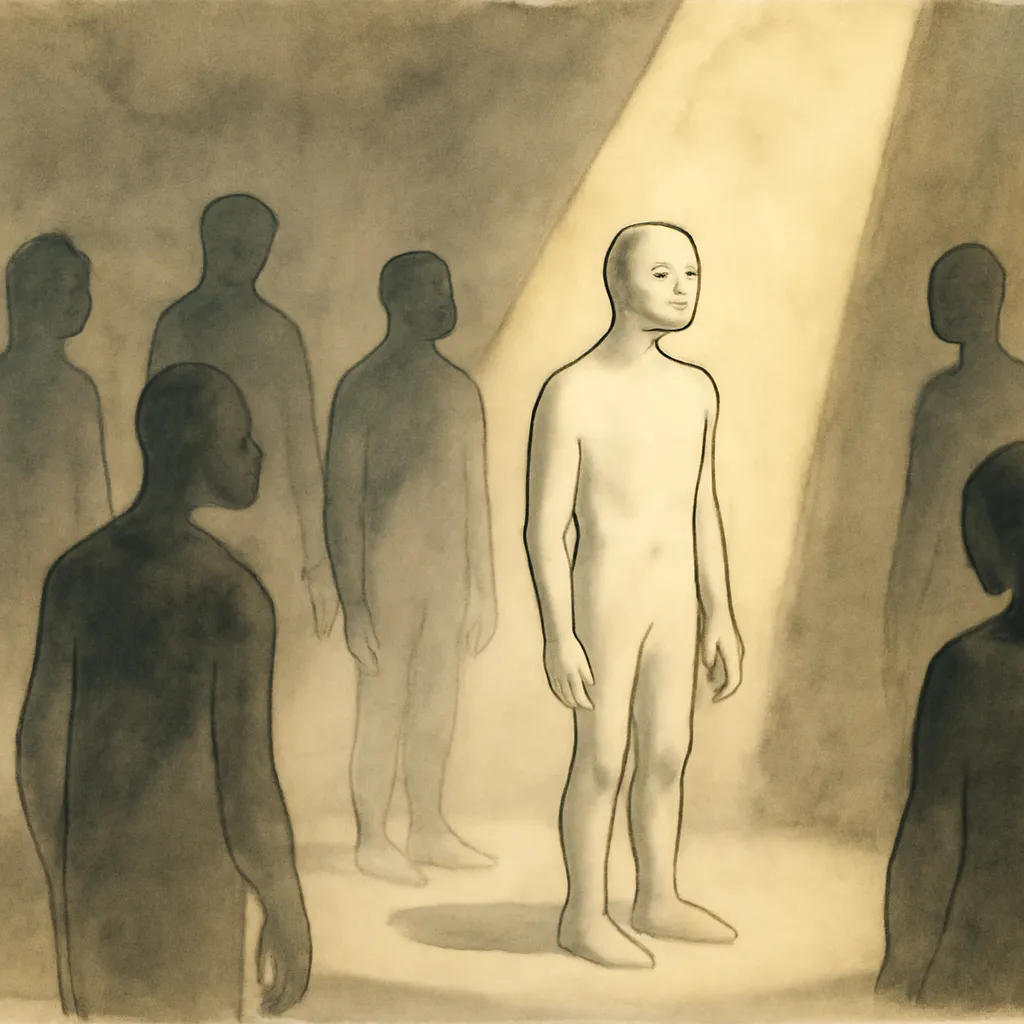
Chalmers employs thought experiments like philosophical zombies—beings physically identical to us but lacking conscious experience—to argue that consciousness is not logically entailed by physical facts. If such zombies are conceivable, then physicalism (the idea that everything is physical) is incomplete.
6.Toward a Science of Consciousness
Rather than abandoning scientific inquiry, Chalmers calls for an expanded science that includes consciousness as a fundamental datum. He suggests that new laws or principles—'psychophysical laws'—may be needed to bridge the gap between brain processes and subjective experience, much as physics once had to posit new laws to explain electricity or gravity.