
Siege, 72-73 · Women · Man-woman relationships
The Dovekeepers by Alice Hoffman — Summary, Key Ideas & Quotes
2011512 pages✦ 3-min Big ideas★ 3.0 (1)
Rate it
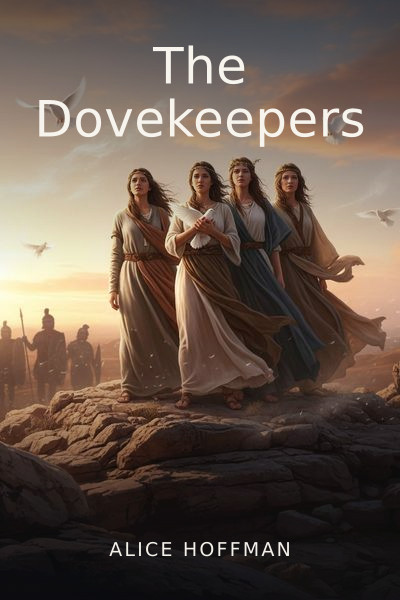
A tale inspired by the tragic first-century massacre of hundreds of Jewish people at Masada presents the stories of a hated daughter, a baker's wife, a girl disguised as a warrior, and a medicine woman who keep doves and secrets while Roman soldiers draw near.
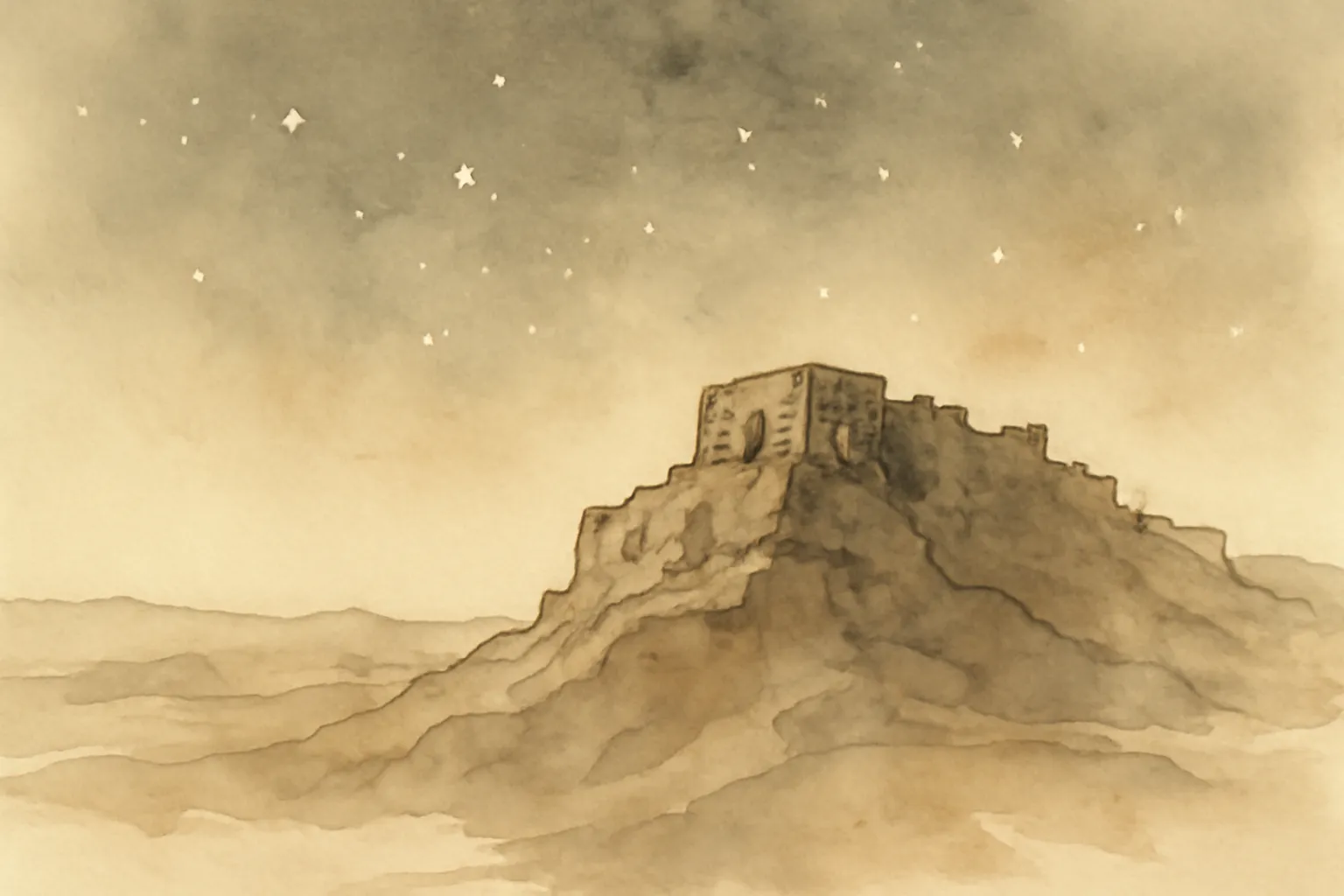
Hoffman centers her narrative on four women—Yael, Revka, Aziza, and Shirah—whose perspectives are often absent from traditional accounts of Masada. Through their distinct voices, the novel reimagines history not as the domain of warriors and kings, but as a tapestry woven from the daily struggles, hopes, and sacrifices of women. This approach challenges the reader to reconsider whose stories are preserved and what is lost when history is told only by the victors.
The Dovekeepers explores the tension between faith and fate as the characters grapple with the seeming inevitability of destruction. The siege of Masada becomes both a literal and metaphorical crucible, testing the limits of belief, hope, and agency. Hoffman interrogates how individuals and communities maintain spiritual identity under existential threat, and how faith can both sustain and divide.
“We are all orphans, even if we have parents, for our lives are our own and we must live them alone.”