1.Women’s Voices in History
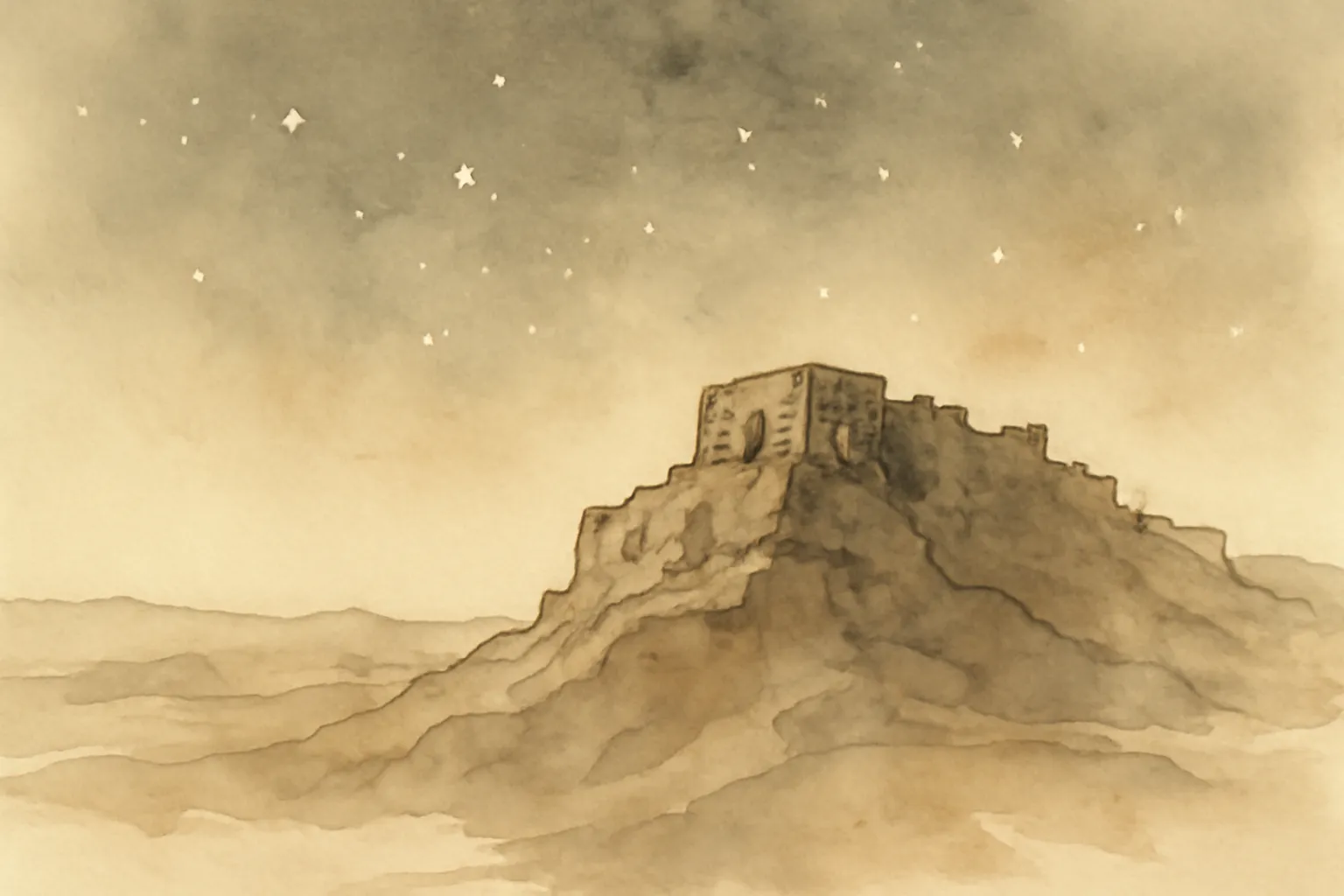
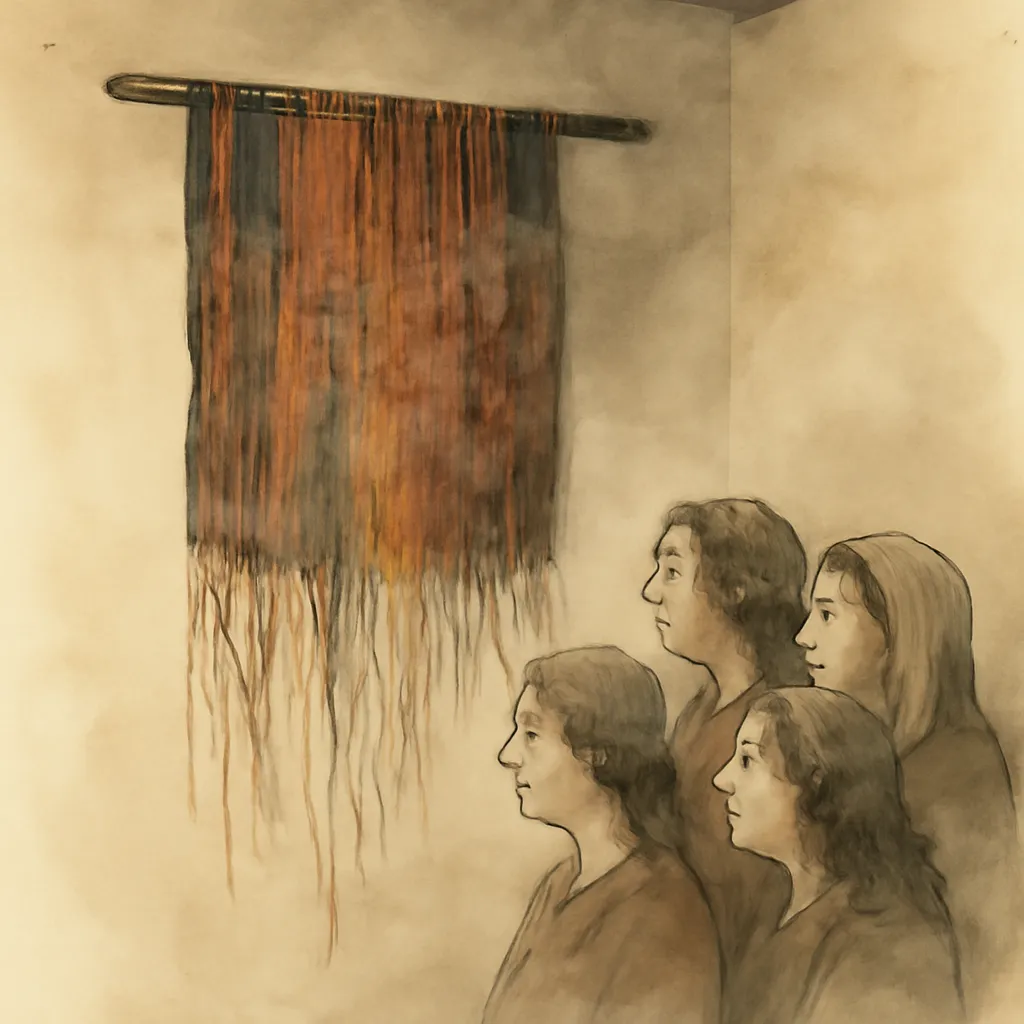
Hoffman centers her narrative on four women—Yael, Revka, Aziza, and Shirah—whose perspectives are often absent from traditional accounts of Masada. Through their distinct voices, the novel reimagines history not as the domain of warriors and kings, but as a tapestry woven from the daily struggles, hopes, and sacrifices of women. This approach challenges the reader to reconsider whose stories are preserved and what is lost when history is told only by the victors.
2.Faith and Fate Amid Catastrophe
The Dovekeepers explores the tension between faith and fate as the characters grapple with the seeming inevitability of destruction. The siege of Masada becomes both a literal and metaphorical crucible, testing the limits of belief, hope, and agency. Hoffman interrogates how individuals and communities maintain spiritual identity under existential threat, and how faith can both sustain and divide.
3.Secrets, Identity, and Transformation
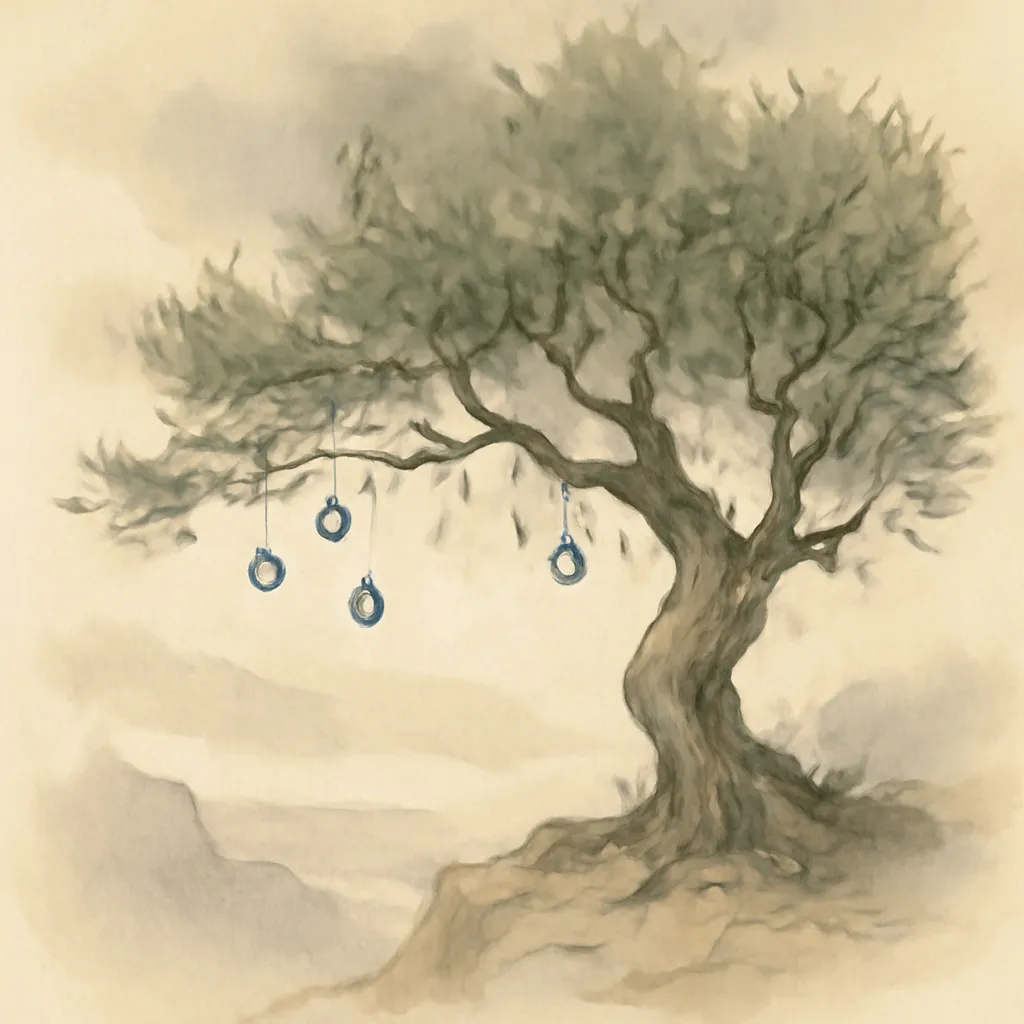
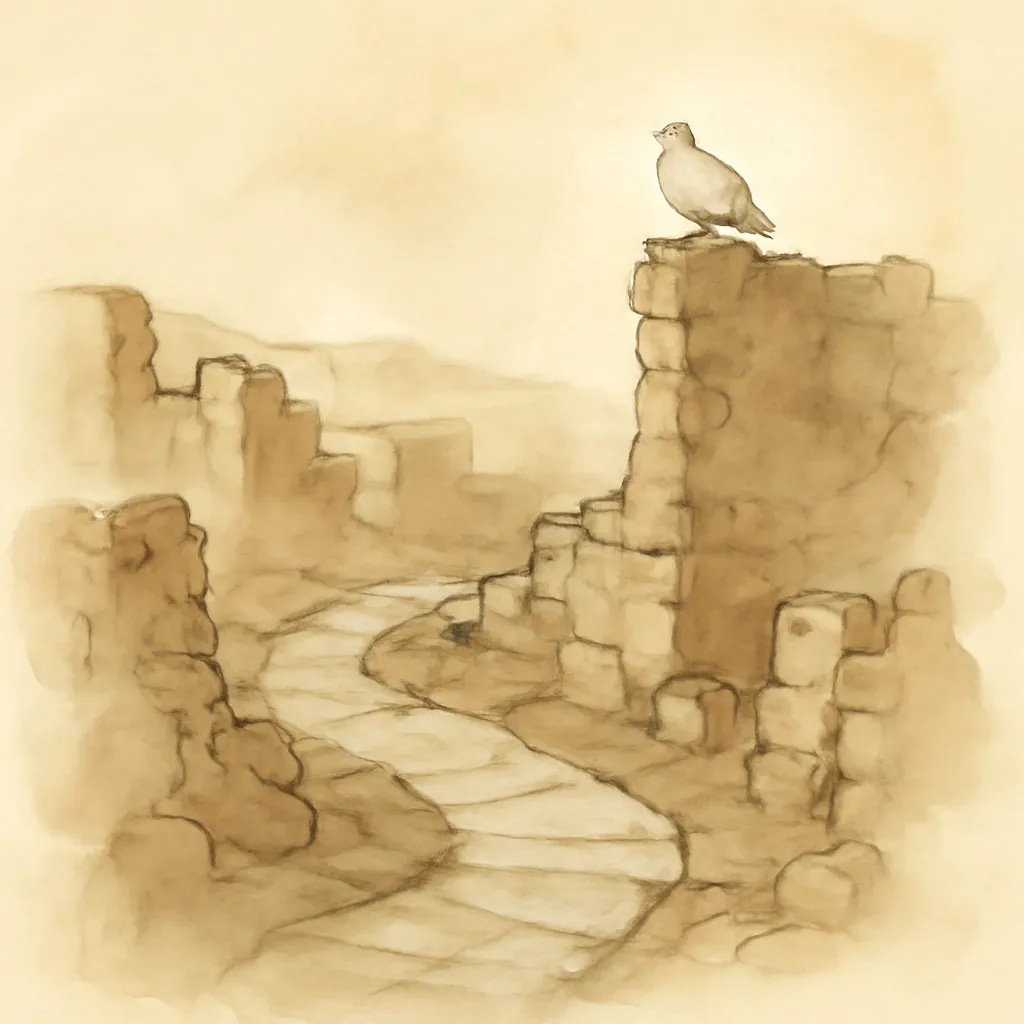
Each woman in the novel is marked by secrets—hidden parentage, forbidden love, concealed skills, or spiritual practices. These secrets shape their identities and drive the plot, illustrating how survival often depends on reinvention and adaptation. Hoffman uses the motif of dovekeeping as a metaphor for both nurturing and concealment, suggesting that what is hidden can be a source of strength as well as vulnerability.
4.Nature, Magic, and the Sacred
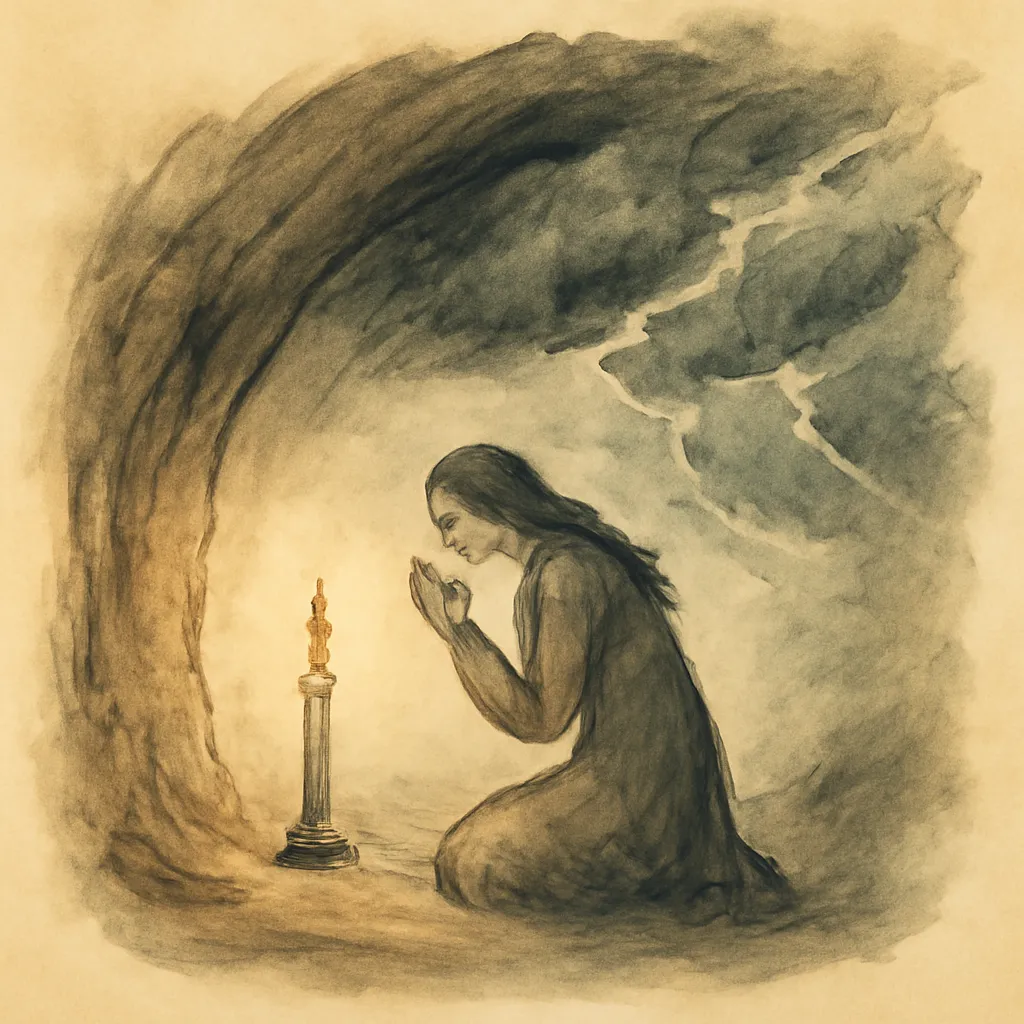
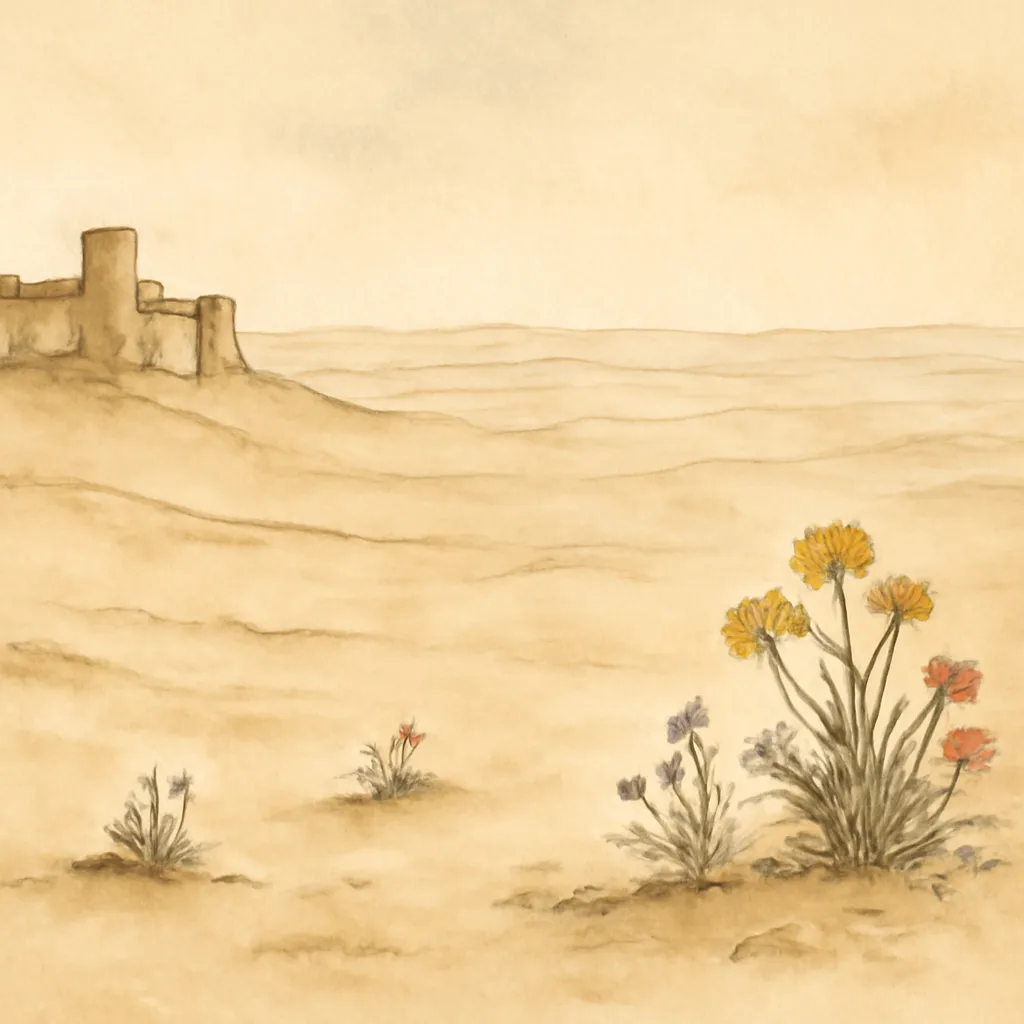
The novel is steeped in the textures of the desert, the rituals of ancient Judaism, and the lingering presence of older, mystical traditions. Through characters like Shirah, the 'Witch of Moab,' Hoffman explores the coexistence—and conflict—between orthodox faith and folk magic. The natural world is both setting and character, shaping destinies and offering moments of beauty amidst horror.
5.The Cost and Complexity of Resistance
While the Masada rebels are often mythologized as heroes, Hoffman’s narrative complicates this view. The novel examines the psychological and moral costs of resistance, including the suffering of innocents and the blurring of right and wrong in desperate times. By focusing on the women’s perspectives, The Dovekeepers questions the price of heroism and the meaning of survival when all is lost.
6.Interconnectedness of Lives and Legacies
The destinies of the four women are deeply entwined, demonstrating how individual choices ripple through families and communities. The novel suggests that legacy is not only what is remembered, but also what is nurtured and protected in the face of annihilation. Through dovekeeping and storytelling, the women assert their agency and ensure their voices endure beyond the fortress walls.