The Elementary Forms of Religious Life by Émile Durkheim — Summary, Key Ideas & Quotes
2015566 pages✦ 3-min Big ideas
Rate it
French sociologist Emile Durkheim set out to explore religion as a social phenomenon, and in 1912 published his results in 'Elementary Forms of Religious Life.' The relationship between humans and society fascinated Durkheim, leading him to research the simplest form of documented religion amongst the Aborigines of Australia and Pueblo Indians. 'Elementary Forms of Religious Life' is an important read for the interested mind-sparking debate and admiration in many fields such as theology, sociology and anthropology.
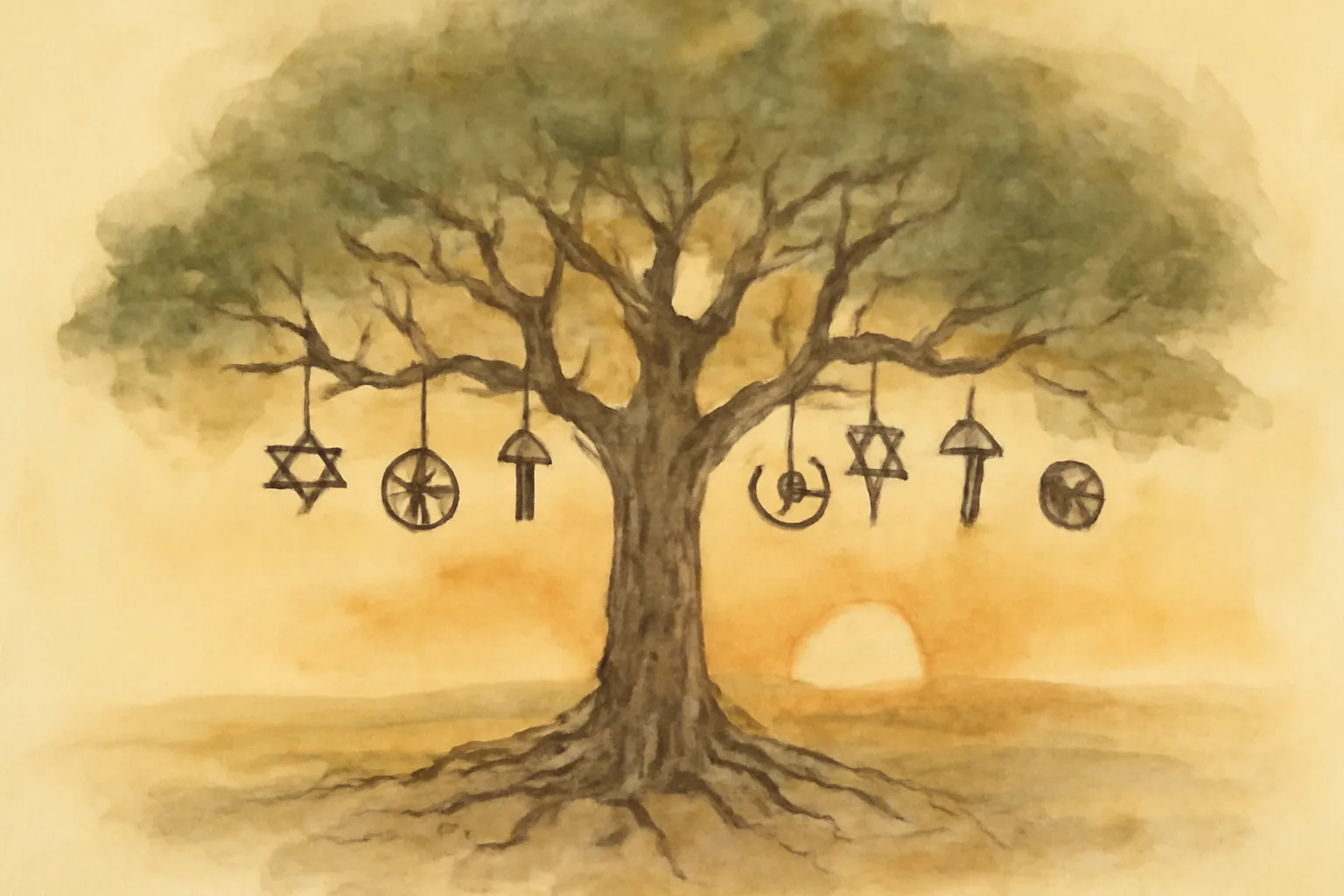
Durkheim argues that religion is not just a set of beliefs about the supernatural, but a social phenomenon rooted in collective experience. He insists that religious practices and symbols arise from—and reinforce—the shared values and norms of a community. Religion, for Durkheim, is a 'social fact' that exists outside the individual, shaping and constraining behavior just like laws or language.
One of Durkheim’s most influential distinctions is between the sacred (things set apart and forbidden) and the profane (the ordinary, everyday world). This binary is not about the supernatural per se, but about how societies create boundaries and meanings. By designating certain objects, rituals, or ideas as sacred, communities reinforce solidarity and a sense of belonging.
“The idea of society is the soul of religion.”
“A religion is a unified system of beliefs and practices relative to sacred things.”