1.Religion as a Social Fact
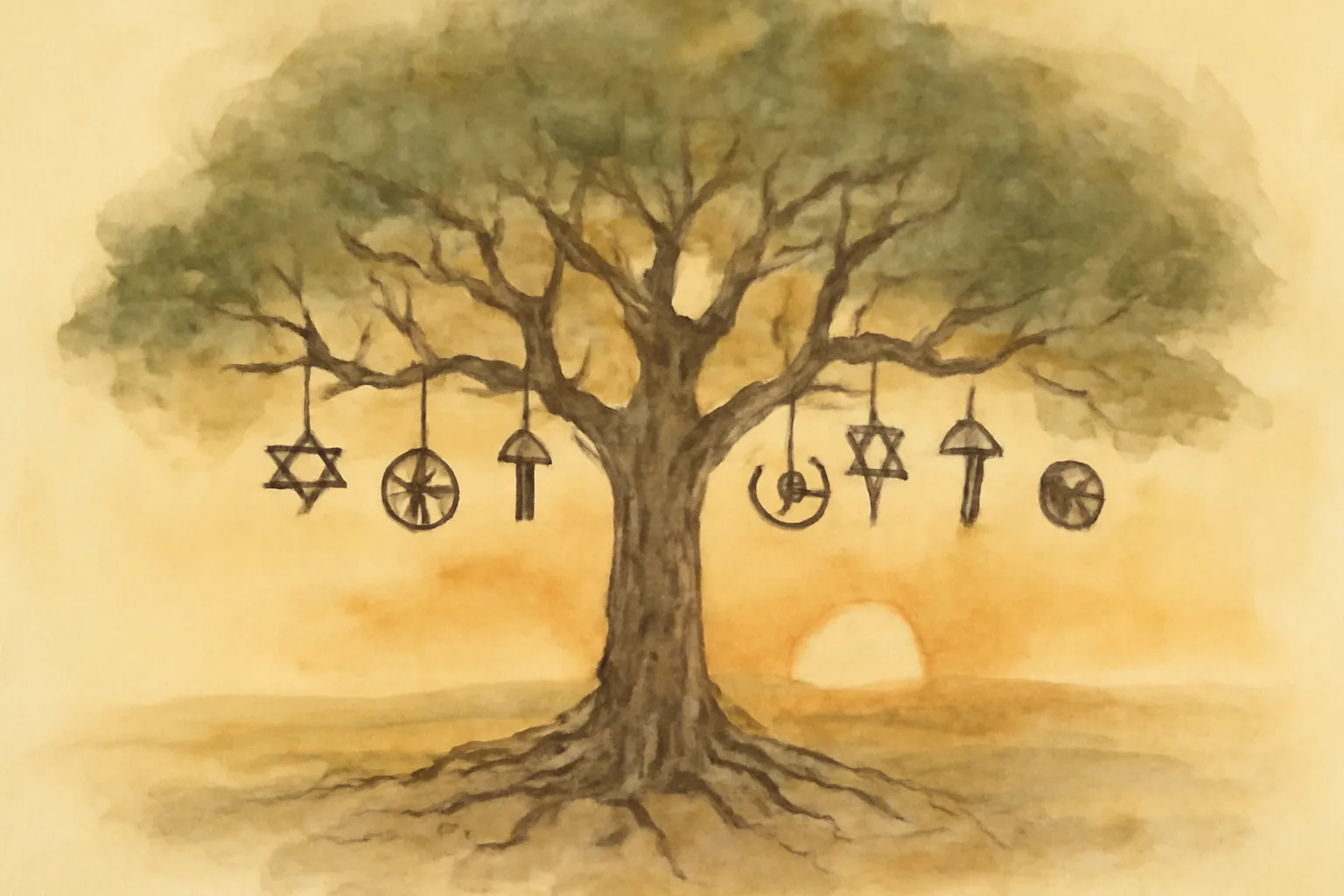
Durkheim argues that religion is not just a set of beliefs about the supernatural, but a social phenomenon rooted in collective experience. He insists that religious practices and symbols arise from—and reinforce—the shared values and norms of a community. Religion, for Durkheim, is a 'social fact' that exists outside the individual, shaping and constraining behavior just like laws or language.
2.The Sacred and the Profane
One of Durkheim’s most influential distinctions is between the sacred (things set apart and forbidden) and the profane (the ordinary, everyday world). This binary is not about the supernatural per se, but about how societies create boundaries and meanings. By designating certain objects, rituals, or ideas as sacred, communities reinforce solidarity and a sense of belonging.
3.Totemism as the Elementary Form
Durkheim studies Australian Aboriginal totemism as the simplest documented religion, arguing that the worship of totems (animals, plants, or natural objects) is fundamentally the worship of society itself. The totem becomes a symbol of the clan, and rituals around it express and renew social bonds. This analysis lets Durkheim generalize about the function of religion in all societies.
4.Collective Effervescence
A central concept in the book, 'collective effervescence' describes the heightened energy and unity people feel during communal rituals. These moments of shared emotion and action create a sense of something greater than oneself—what Durkheim identifies as the social origin of religious experience. This explains why rituals are so powerful in forging group identity.
5.Religion as the Source of Social Cohesion
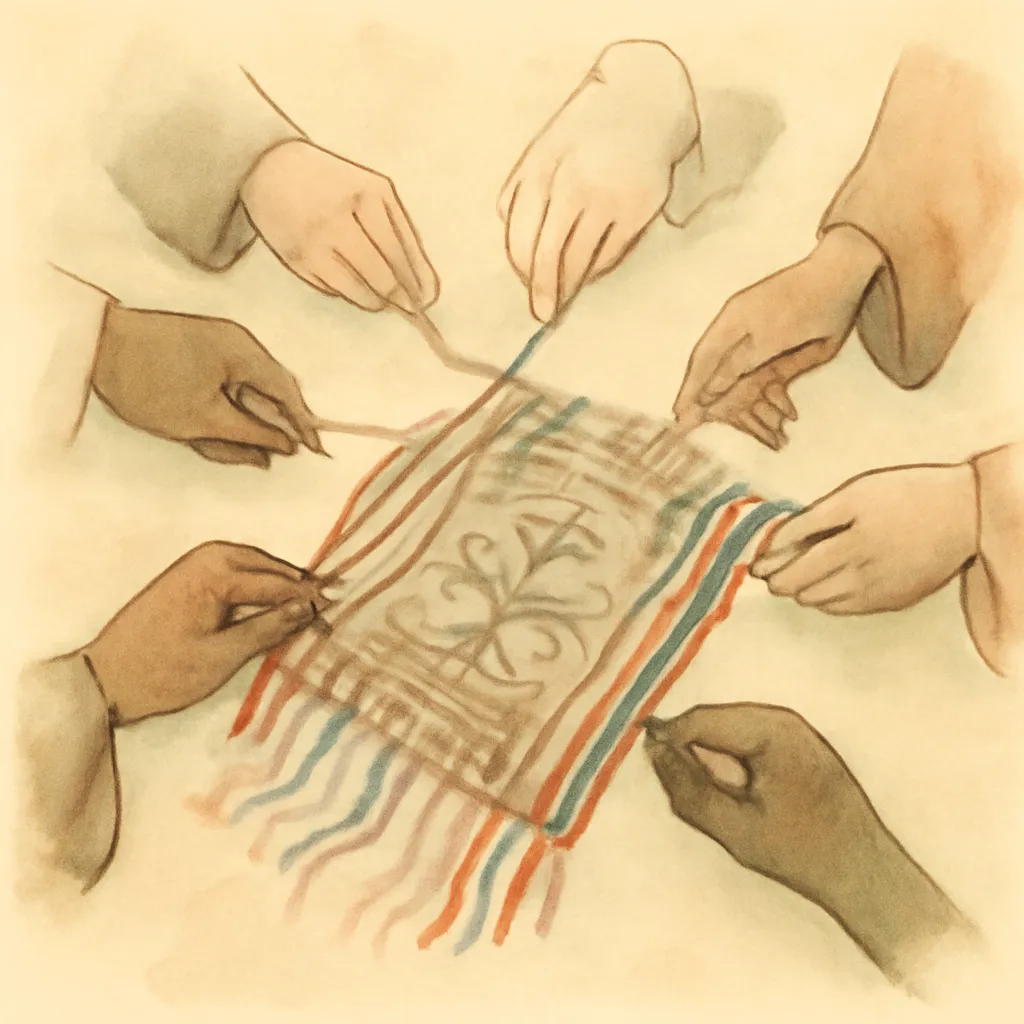
For Durkheim, religion is the original source of social cohesion and moral order. By participating in religious practices, individuals internalize the values and rules of their society, which in turn maintains social stability. Even as societies become more secular, Durkheim believes that the need for collective symbols and rituals persists.
6.The Evolution of Religious Forms
Durkheim traces how religious forms evolve from simple to complex, paralleling the development of societies themselves. He suggests that as societies grow and diversify, religion adapts, but its essential function—creating and maintaining social solidarity—remains constant. This evolutionary perspective helps explain both the persistence and transformation of religious life.