Neuropsychology · Emotions · Physiological aspects
The Emotional Brain by Joseph LeDoux — Summary, Key Ideas & Quotes
1996384 pages✦ 3-min Big ideas★ 5.0 (1)
Rate it
What happens in our brains to make us feel fear, love, hate, anger, joy? do we control our emotions, or do they control us? Do animals have emotions? How can traumatic experiences in early childhood influence adult behavior, even though we have no conscious memory of them? In The Emotional Brain, Joseph LeDoux investigates the origins of human emotions and explains that many exist as part of complex neural systems that evolved to enable us to survive.
Unlike conscious feelings, emotions originate in the brain at a much deeper level, says LeDoux, a leading authority in the field of neural science and one of the principal researchers profiled in Daniel Goleman's Emotional Intelligence. In this provocative book, LeDoux explores the underlying brain mechanisms responsible for our emotions, mechanisms that are only now being revealed.
The Emotional Brain presents some fascinating findings about our familiar yet little understood emotions. For example, our brains can detect danger before we even experience the feeling of being afraid. The brain also begins to initiate physical responses (heart palpitations, sweaty palms, muscle tension) before we become aware of an associated feeling of fear. Conscious feelings, says LeDoux, are somewhat irrelevant to the way the emotional brain works.
He points out that emotional responses are hard-wired into the brain's circuitry, but the things that make us emotional are learned through experience. And this may be the key to understanding, even changing, our emotional makeup. Many common psychiatric problems - such as phobias or posttraumatic stress disorder - involve malfunctions in the way emotion systems learn and remember.
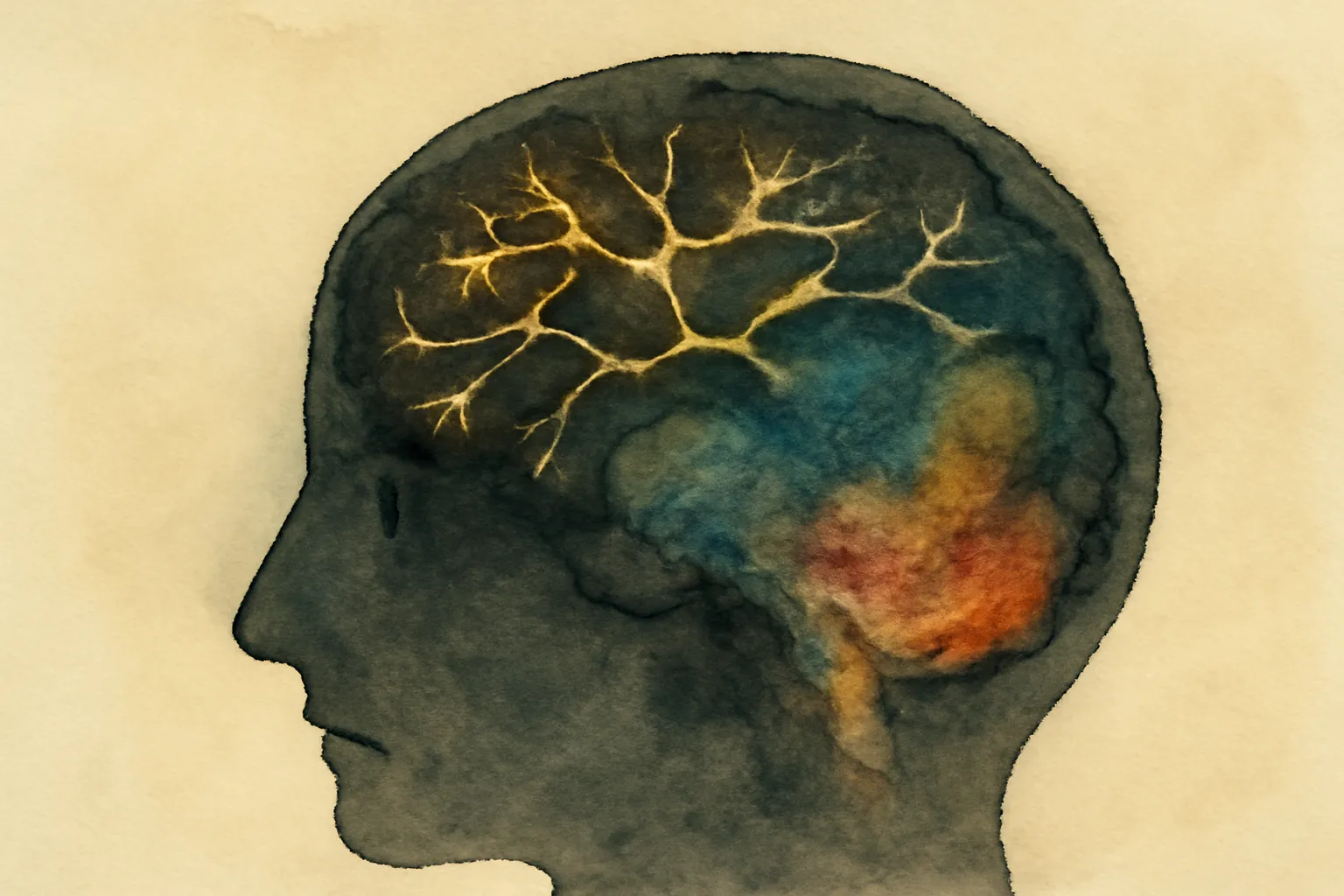
LeDoux argues that emotions are not simply feelings we experience, but complex brain states involving specific neural circuits. He distinguishes between the unconscious processing of emotions and conscious feelings, showing that much of our emotional life happens outside our awareness. This insight challenges the common belief that emotions are just subjective experiences, emphasizing their biological basis and evolutionary roots.
A central theme is the amygdala’s critical role in processing fear. LeDoux details how sensory information can reach the amygdala through a 'low road'—a fast, primitive pathway that allows us to react to threats before conscious thought kicks in. This mechanism explains why we sometimes feel afraid before we know what’s scaring us, and why fear is so hard to control through rational thought alone.
“We have little or no conscious control over our emotional reactions.”
“The amygdala is the hub in the wheel of fear.”