Personality · Self · Brain, localization of functions
The Synaptic Self by Joseph LeDoux — Summary, Key Ideas & Quotes
2002512 pages✦ 3-min Big ideas
Rate it
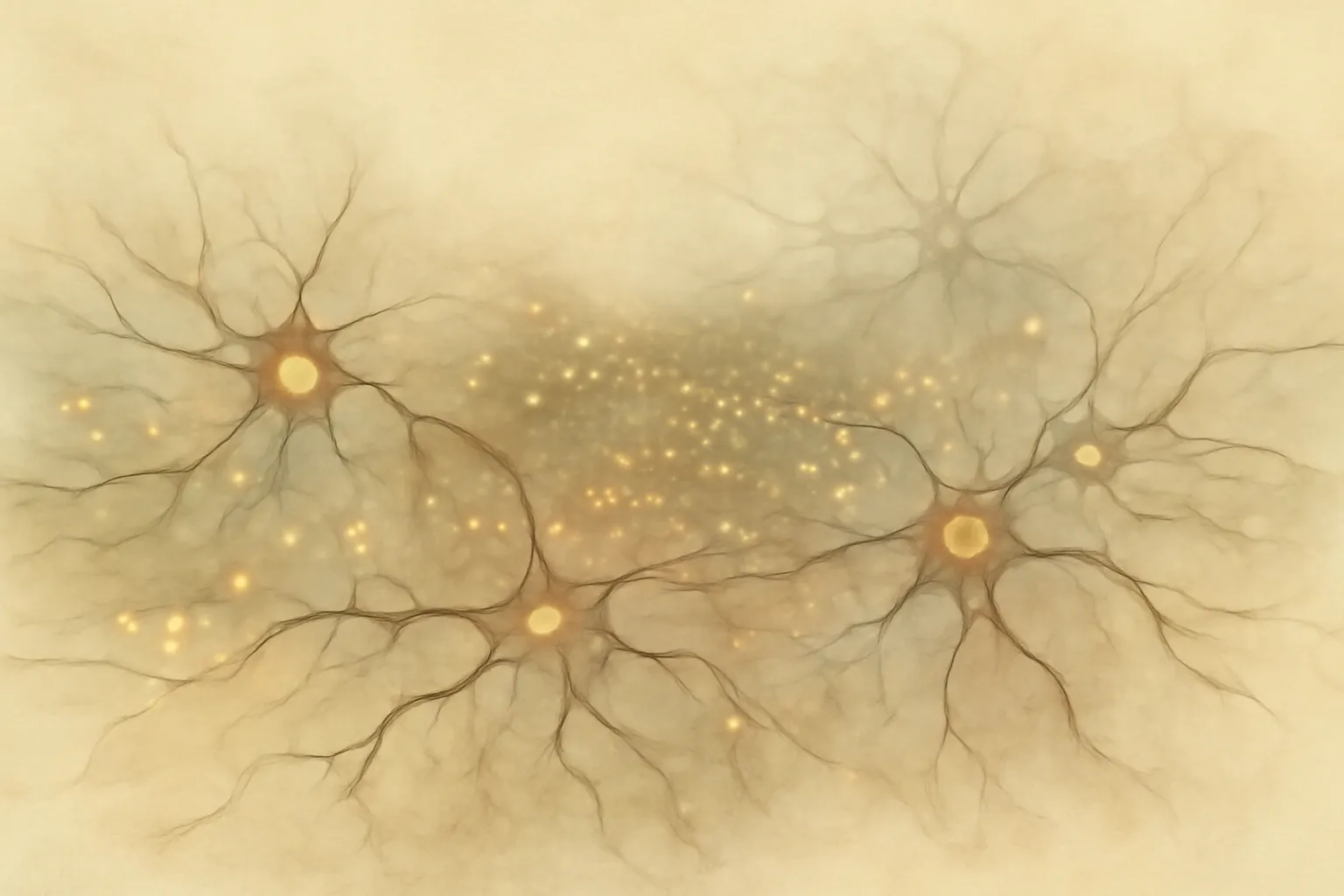
LeDoux argues that our sense of self—our personality, memories, and emotions—arises from the complex web of synaptic connections in the brain. Rather than being a fixed entity or a soul-like essence, the self is a dynamic process shaped by the ever-changing patterns of neural communication. This perspective challenges traditional notions of identity and places the physical brain at the center of who we are.
A central theme is that memories are not stored in a single place, but are encoded through changes in synaptic strength across neural circuits. Long-term potentiation and other forms of synaptic plasticity explain how experiences leave lasting marks on the brain, influencing behavior and personality. This insight bridges the gap between biology and lived experience.
“We are, at our core, networks of synaptic connections.”
“The self is not a thing but a process.”