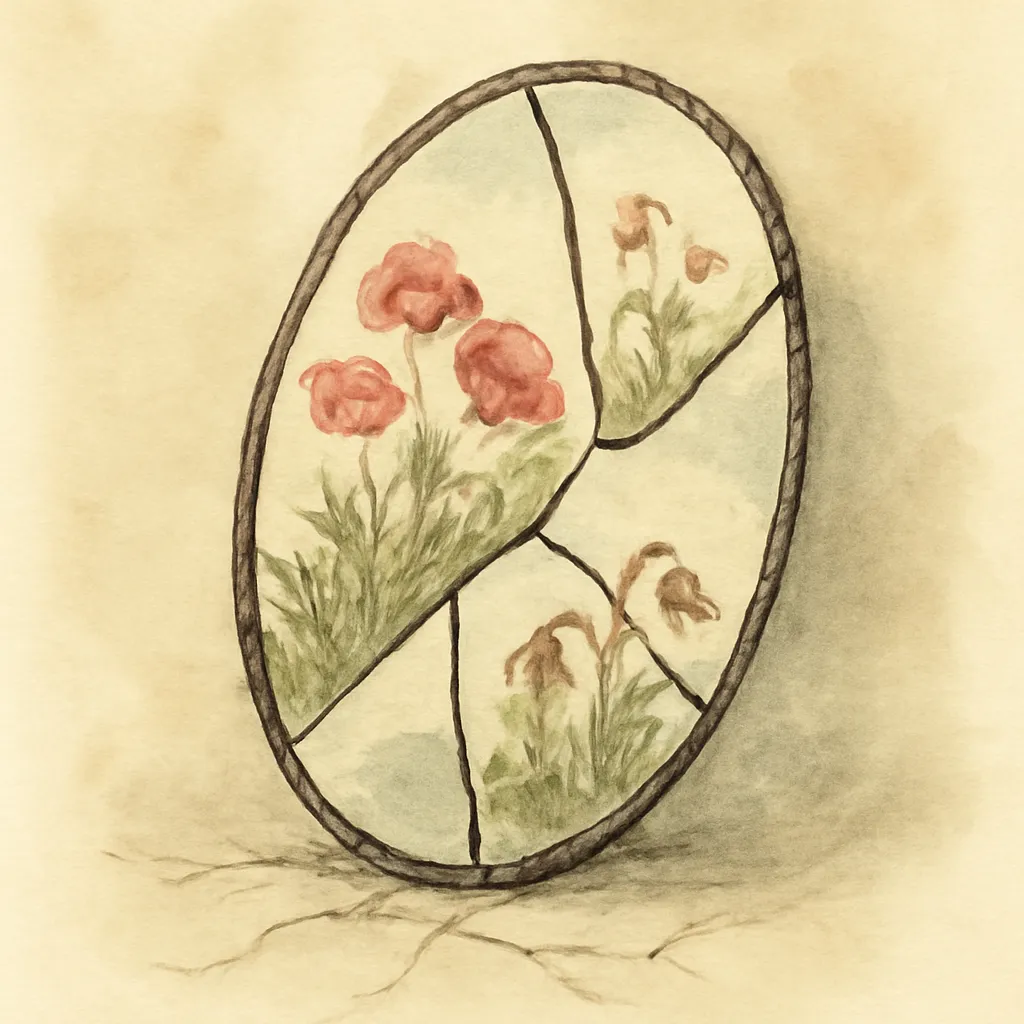
1.The Self Emerges from Synapses
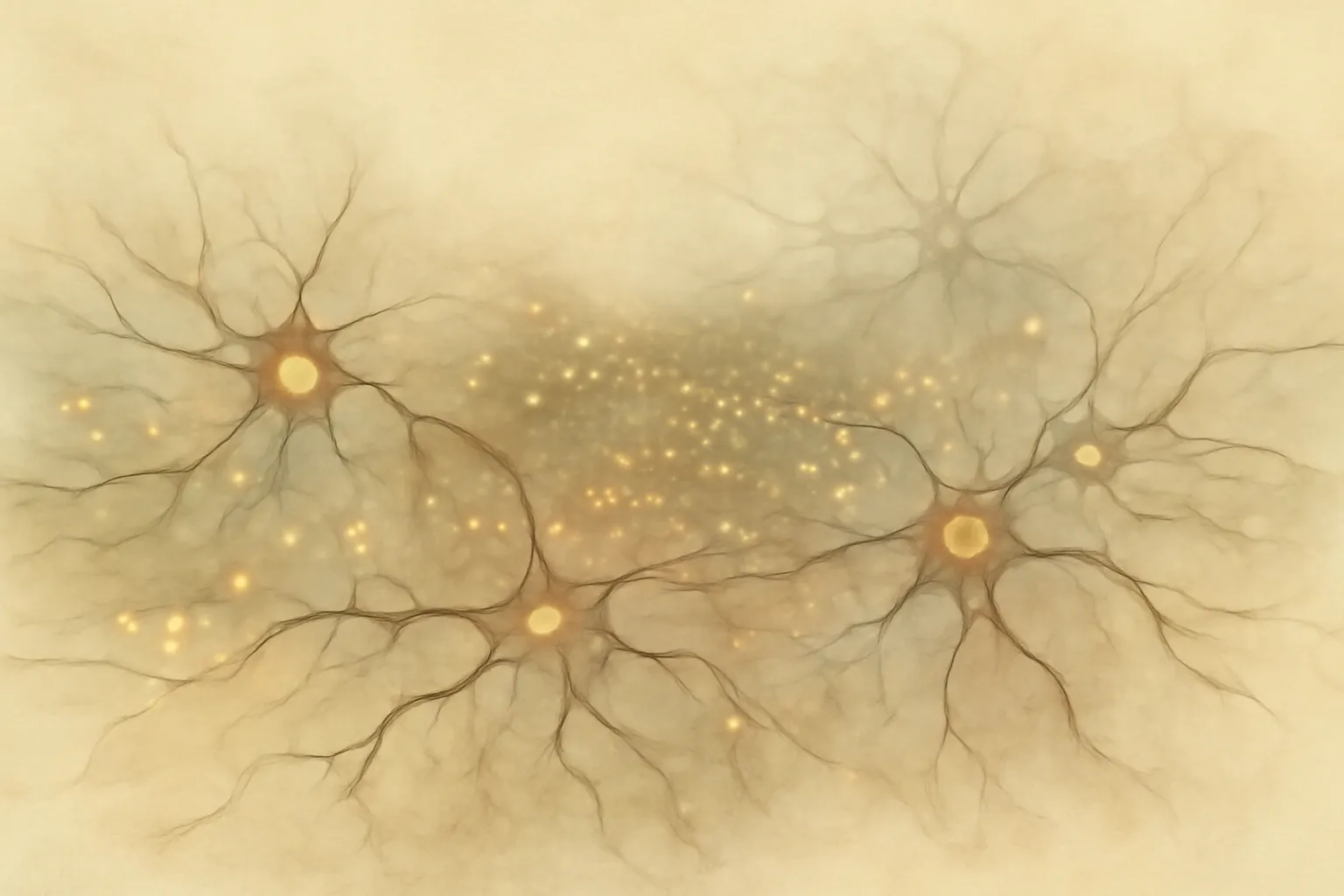
LeDoux argues that our sense of self—our personality, memories, and emotions—arises from the complex web of synaptic connections in the brain. Rather than being a fixed entity or a soul-like essence, the self is a dynamic process shaped by the ever-changing patterns of neural communication. This perspective challenges traditional notions of identity and places the physical brain at the center of who we are.
2.Memory as Synaptic Change
A central theme is that memories are not stored in a single place, but are encoded through changes in synaptic strength across neural circuits. Long-term potentiation and other forms of synaptic plasticity explain how experiences leave lasting marks on the brain, influencing behavior and personality. This insight bridges the gap between biology and lived experience.
3.Emotion and the Amygdala
LeDoux, a leading researcher on emotion, explains how the amygdala and related brain structures generate and regulate emotional responses. He shows that emotional learning, especially fear, is deeply rooted in synaptic changes, underscoring how our emotional lives are biologically grounded yet uniquely individual.
4.Nature, Nurture, and Synaptic Wiring
The book explores how both genetic factors and life experiences shape synaptic connections. LeDoux highlights that while genes provide a blueprint, it is experience—learning, trauma, relationships—that sculpts the unique synaptic architecture of each brain. This interplay explains both the universality and individuality of human minds.
5.Psychopathology as Synaptic Dysfunction
LeDoux discusses how disorders like anxiety, depression, and PTSD can be understood as disruptions in synaptic functioning. This framework not only deepens our understanding of mental illness but also points toward new possibilities for treatment, such as therapies that target synaptic change.
6.Implications for Free Will and Responsibility
If the self is a product of synaptic activity, what does that mean for concepts like free will, moral responsibility, and personal change? LeDoux invites readers to grapple with these philosophical questions, suggesting that understanding the synaptic self can foster empathy and more nuanced views of human behavior.