

Race relations · Black Muslims · African Americans
The Fire Next Time by James Baldwin — Summary, Key Ideas & Quotes
1962120 pages✦ 3-min Big ideas★ 4.5 (34)
Rate it
From Amazon.com: A national bestseller when it first appeared in 1963, *The Fire Next Time* galvanized the nation and gave passionate voice to the emerging civil rights movement. At once a powerful evocation of James Baldwin's early life in Harlem and a disturbing examination of the consequences of racial injustice, the book is an intensely personal and provocative document. It consists of two "letters," written on the occasion of the centennial of the Emancipation Proclamation, that exhort Americans, both black and white, to attack the terrible legacy of racism. Described by The New York Times Book Review as "sermon, ultimatum, confession, deposition, testament, and chronicle...all presented in searing, brilliant prose," The Fire Next Time stands as a classic of our literature.
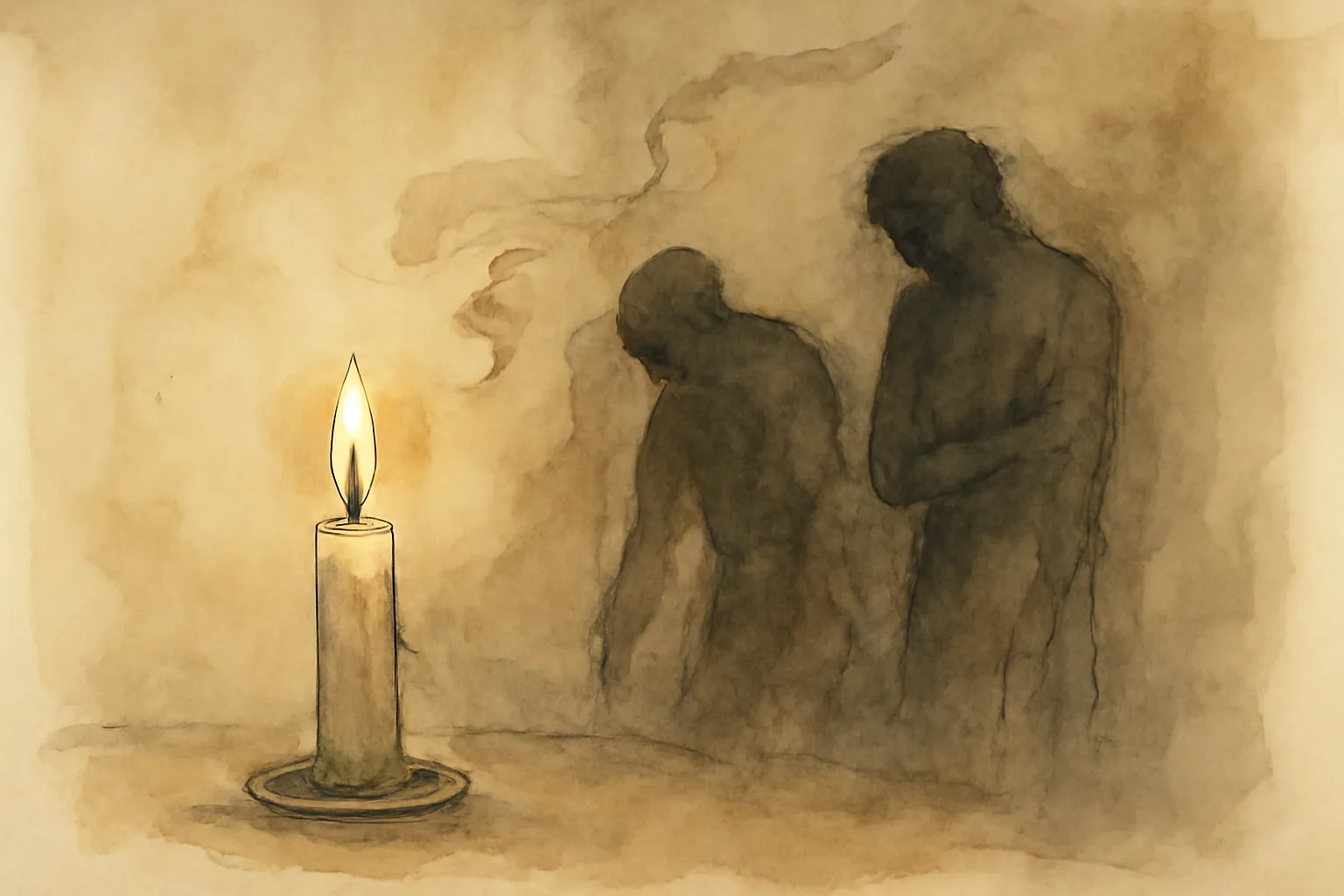
Baldwin’s reflections are deeply rooted in his own experiences growing up in Harlem, using his life as a lens to examine broader social realities. He shows how racism is not an abstract force but a lived, daily experience that shapes identity, family, and community. By sharing his own struggles, Baldwin makes the political personal, urging readers to see the human cost of bigotry and indifference.
Religion, especially the Black church and the Nation of Islam, features centrally in Baldwin’s analysis. He explores how faith can offer solace and solidarity to the oppressed, but also how it can become a tool for division or escapism. Baldwin is wary of any ideology—religious or secular—that promises easy answers or fosters hatred, insisting that true liberation requires honest confrontation rather than retreat.
“If we do not dare everything, the fulfillment of that prophecy, recreated from the Bible in song by a slave, is upon us: God gave Noah the rainbow sign, No more water, the fire next time!”
“Love takes off the masks that we fear we cannot live without and know we cannot live within.”
“You think your pain and your heartbreak are unprecedented in the history of the world, but then you read.”
