1.The Personal as Political
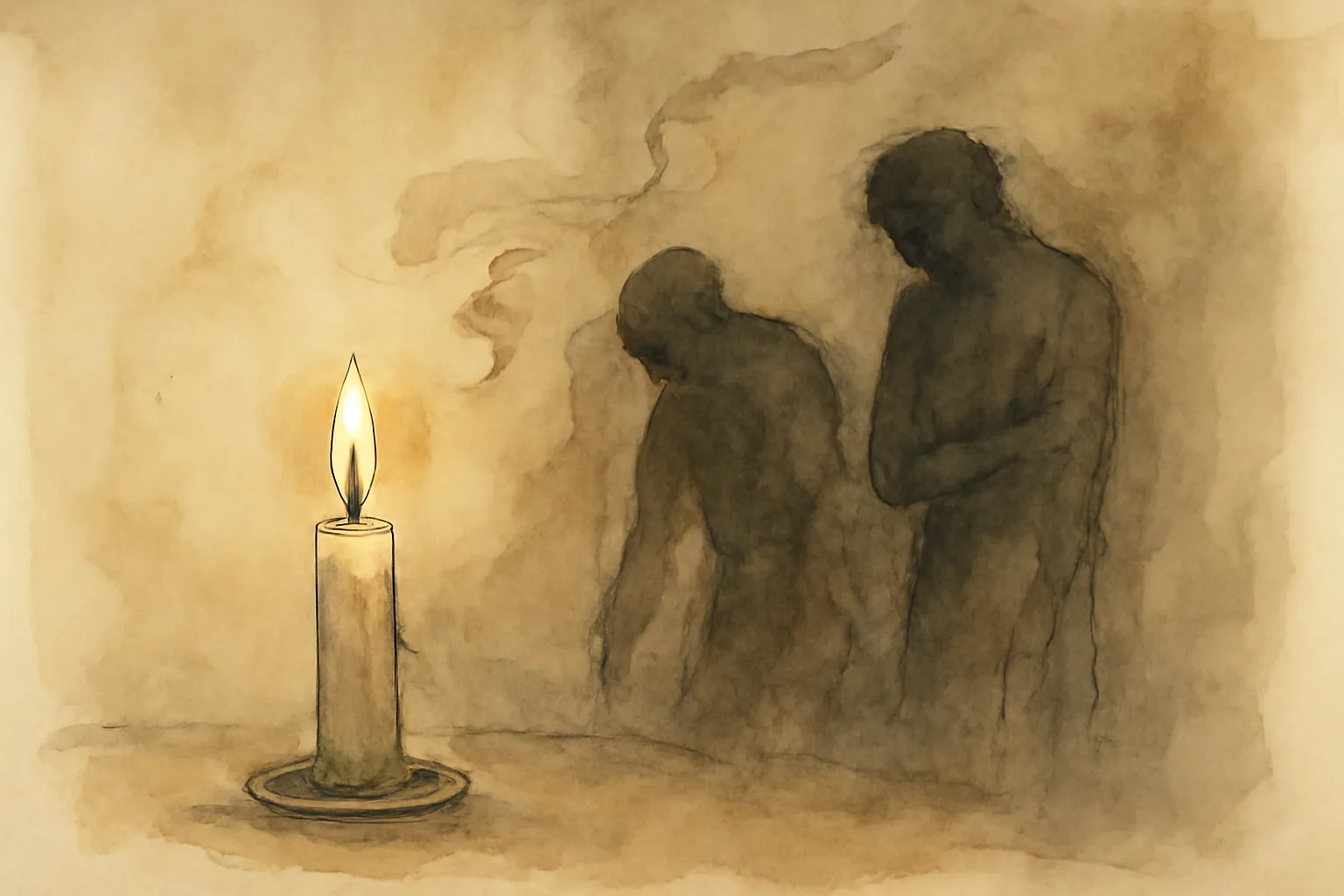
Baldwin’s reflections are deeply rooted in his own experiences growing up in Harlem, using his life as a lens to examine broader social realities. He shows how racism is not an abstract force but a lived, daily experience that shapes identity, family, and community. By sharing his own struggles, Baldwin makes the political personal, urging readers to see the human cost of bigotry and indifference.
2.The Power and Danger of Religion
Religion, especially the Black church and the Nation of Islam, features centrally in Baldwin’s analysis. He explores how faith can offer solace and solidarity to the oppressed, but also how it can become a tool for division or escapism. Baldwin is wary of any ideology—religious or secular—that promises easy answers or fosters hatred, insisting that true liberation requires honest confrontation rather than retreat.
3.Love as a Radical Force
One of Baldwin’s most profound arguments is that love—understood as a rigorous, honest engagement with others—is essential for overcoming America’s racial crisis. He rejects hatred and fear, warning that these emotions will only perpetuate violence and alienation. Instead, Baldwin calls for a radical empathy that recognizes the humanity in everyone, even in the face of injustice.
4.America’s Unfinished Business
Baldwin insists that the United States has never truly grappled with its history of slavery and segregation. He warns that ignoring these wounds will only ensure their return, 'the fire next time.' The book is a prophetic warning that without real reckoning and change, the nation risks repeating its most destructive patterns.
5.The Limits and Necessity of Hope
Despite his anger and disappointment, Baldwin does not abandon hope. He sees the possibility for transformation, but only if Americans—black and white—are willing to face uncomfortable truths and work together. This hope is not naive optimism, but a hard-won conviction that change is both possible and necessary.
6.Identity and Self-Determination
Baldwin explores how black Americans are forced to navigate a society that constantly devalues their existence. He urges readers to claim their own identities, to reject imposed narratives of inferiority, and to define themselves on their own terms. This self-determination is a crucial step toward collective liberation.