The Great War · The Great Depression · New York Times bestseller
The Four Winds by Kristin Hannah — Summary, Key Ideas & Quotes
2021508 pages✦ 3-min Big ideas★ 4.7 (3)
Rate it
Texas, 1921. A time of abundance. The Great War is over, the bounty of the land is plentiful, and America is on the brink of a new and optimistic era. But for Elsa Wolcott, deemed too old to marry in a time when marriage is a woman’s only option, the future seems bleak. Until the night she meets Rafe Martinelli and decides to change the direction of her life. With her reputation in ruin, there is only one respectable choice: marriage to a man she barely knows. By 1934, the world has changed; millions are out of work and drought has devastated the Great Plains. Farmers are fighting to keep their land and their livelihoods as crops fail and water dries up and the earth cracks open. Dust storms roll relentlessly across the plains. Everything on the Martinelli farm is dying, including Elsa’s tenuous marriage; each day is a desperate battle against nature and a fight to keep her children alive. In this uncertain and perilous time, Elsa―like so many of her neighbors―must make an agonizing choice: fight for the land she loves or leave it behind and go west, to California, in search of a better life for her family.
At its heart, The Four Winds is a portrait of female strength. Elsa, dismissed by her family and society as unremarkable, is forced by circumstance to discover her own capacity for endurance. Her journey from sheltered daughter to determined mother and advocate is emblematic of the countless women whose quiet courage shaped history. The novel highlights how adversity can force individuals—especially women, often overlooked in historical narratives—to find reserves of strength and agency they never imagined.
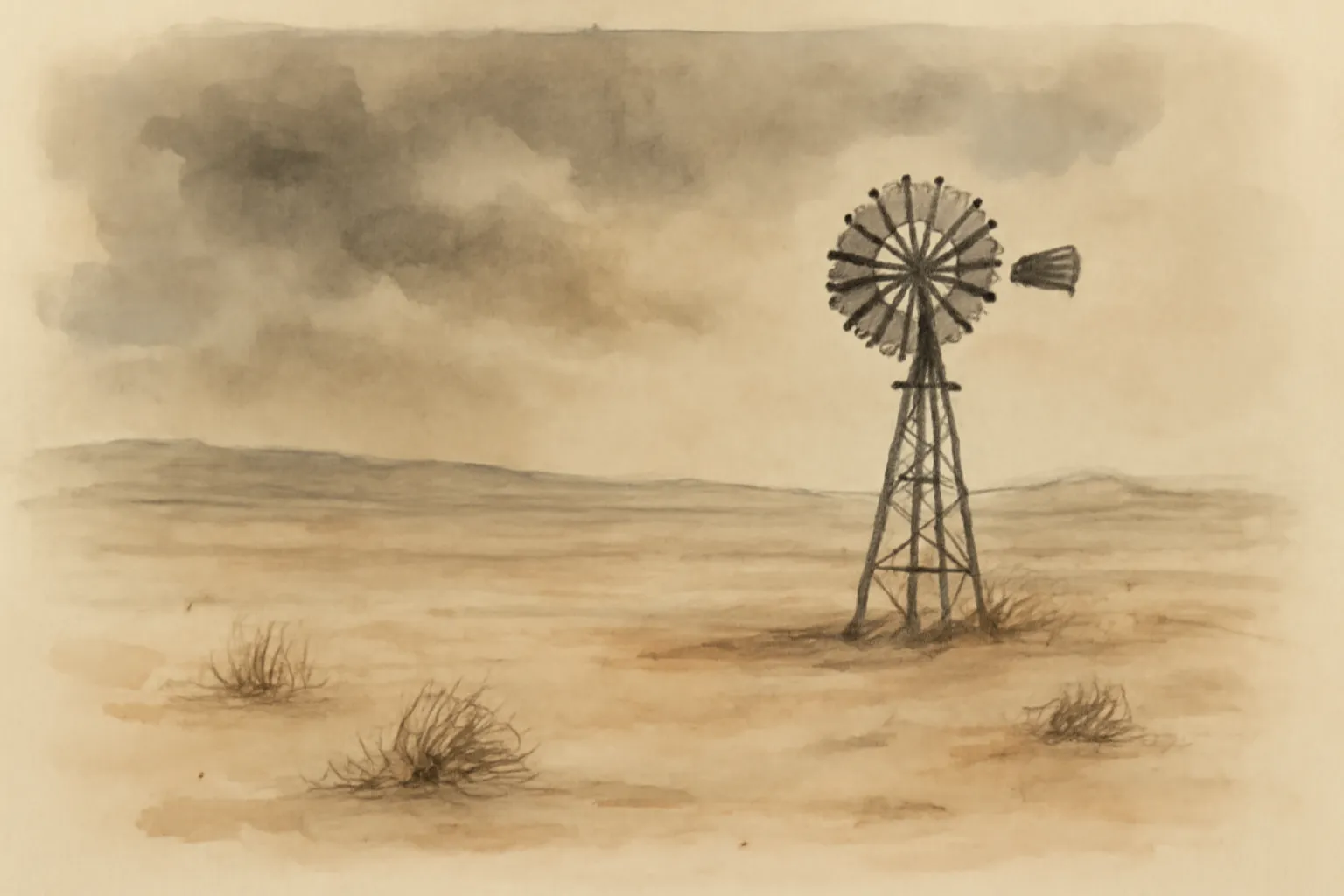
Hannah vividly depicts the devastation of the Dust Bowl, not just as a backdrop but as a relentless antagonist. The choking dust, failed crops, and dying livestock are more than environmental phenomena—they are daily threats to survival and dignity. The book explores how ecological catastrophe can fracture families, uproot communities, and expose the limits of human control over nature. It also draws parallels to contemporary concerns about climate change and displacement.
“Courage is fear you ignore.”
“When you have nothing, you have nothing to lose.”
“Hope is the coin I carry in my pocket.”