1.Female Resilience in the Face of Adversity
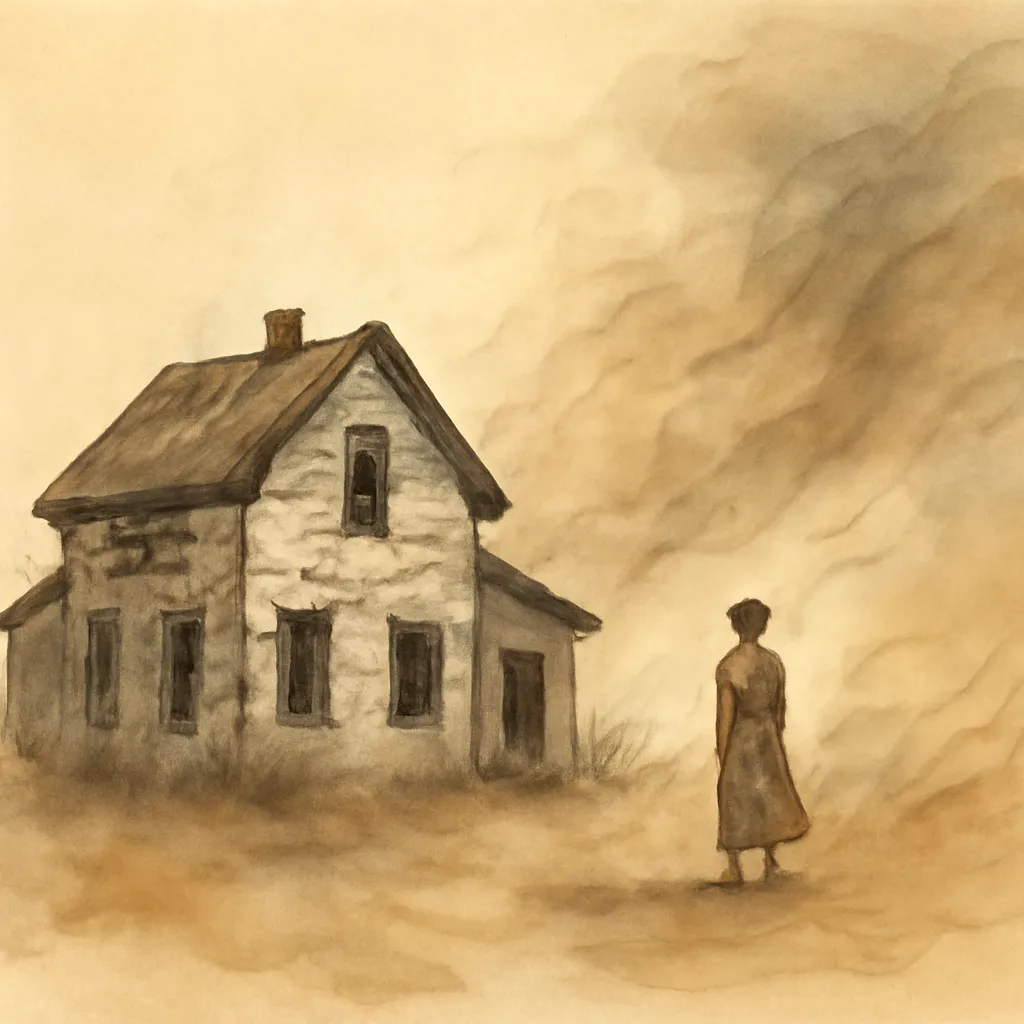
At its heart, The Four Winds is a portrait of female strength. Elsa, dismissed by her family and society as unremarkable, is forced by circumstance to discover her own capacity for endurance. Her journey from sheltered daughter to determined mother and advocate is emblematic of the countless women whose quiet courage shaped history. The novel highlights how adversity can force individuals—especially women, often overlooked in historical narratives—to find reserves of strength and agency they never imagined.
2.The Human Cost of Environmental Disaster
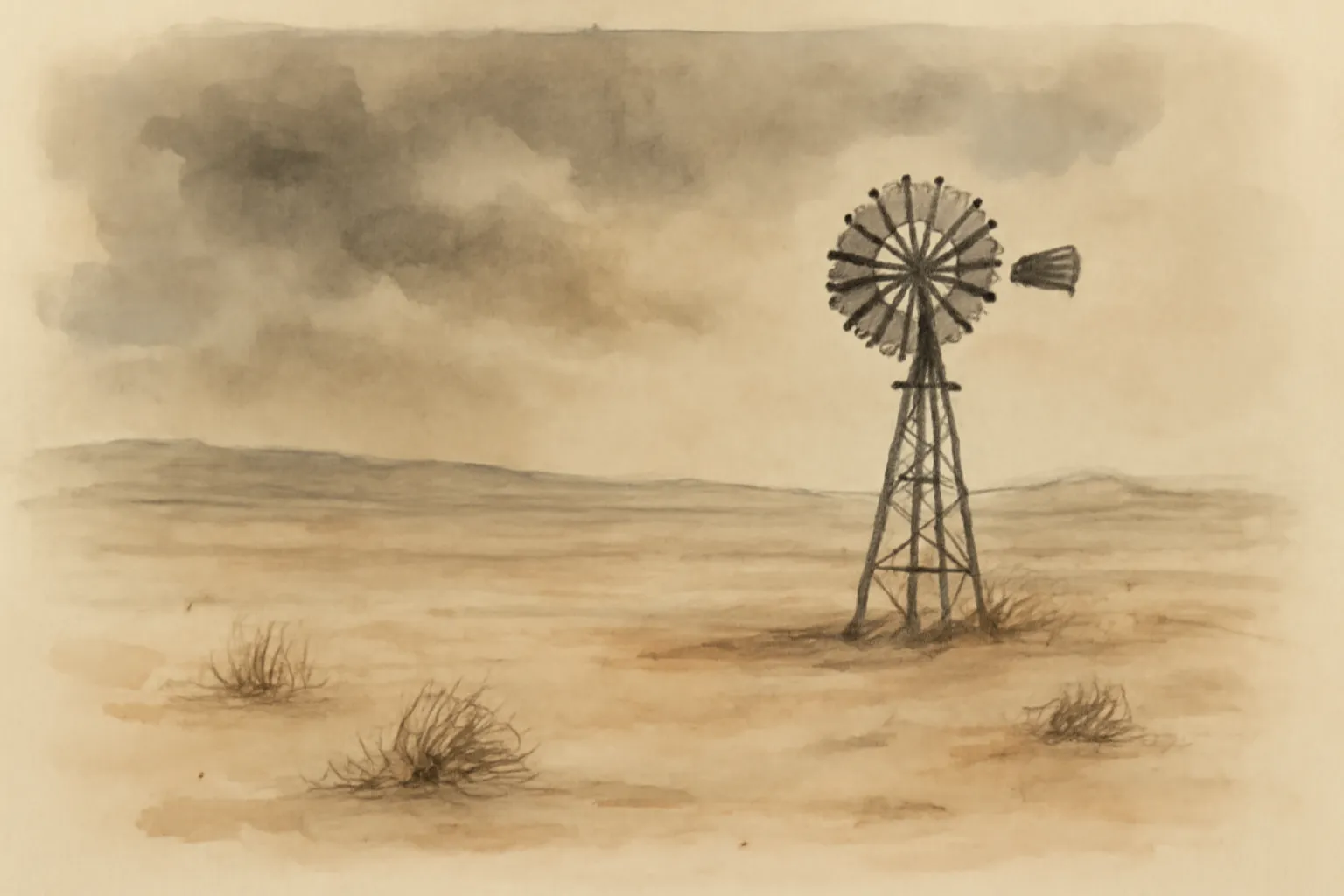
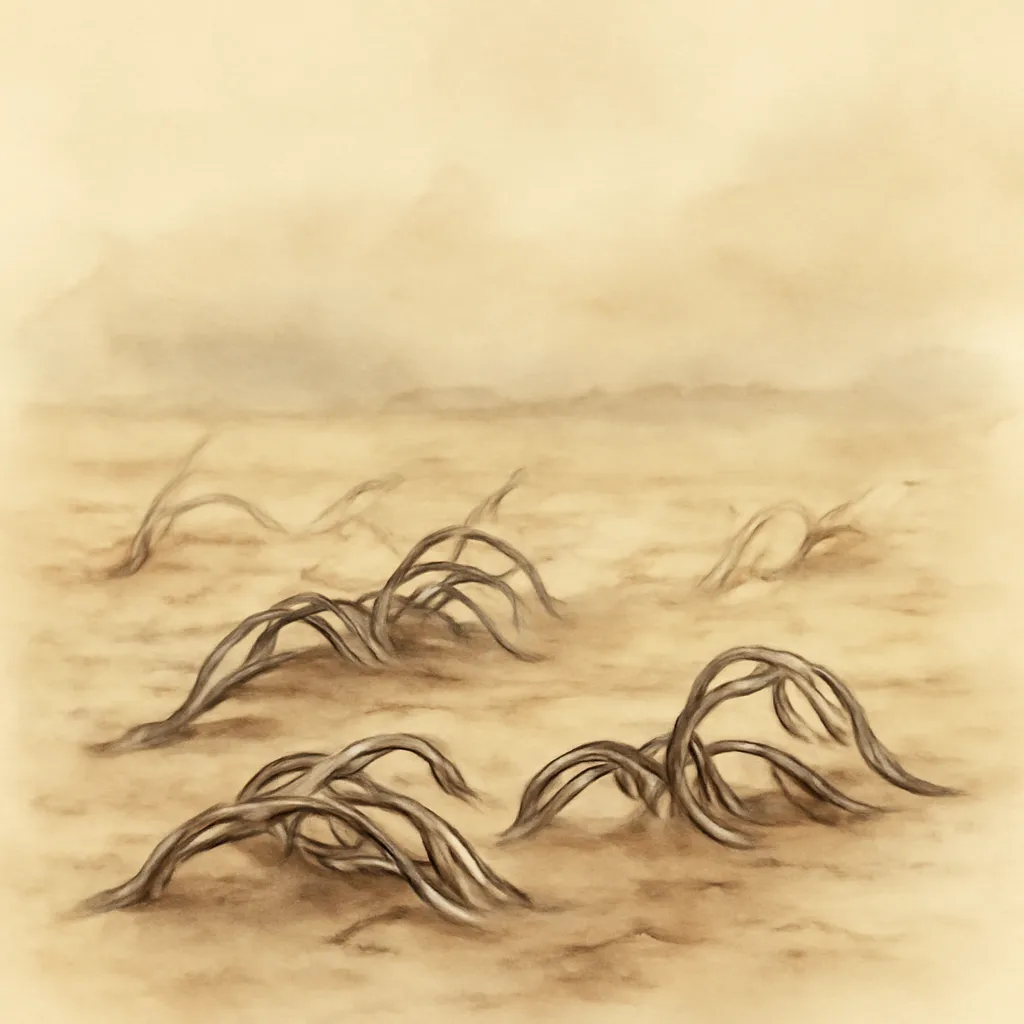
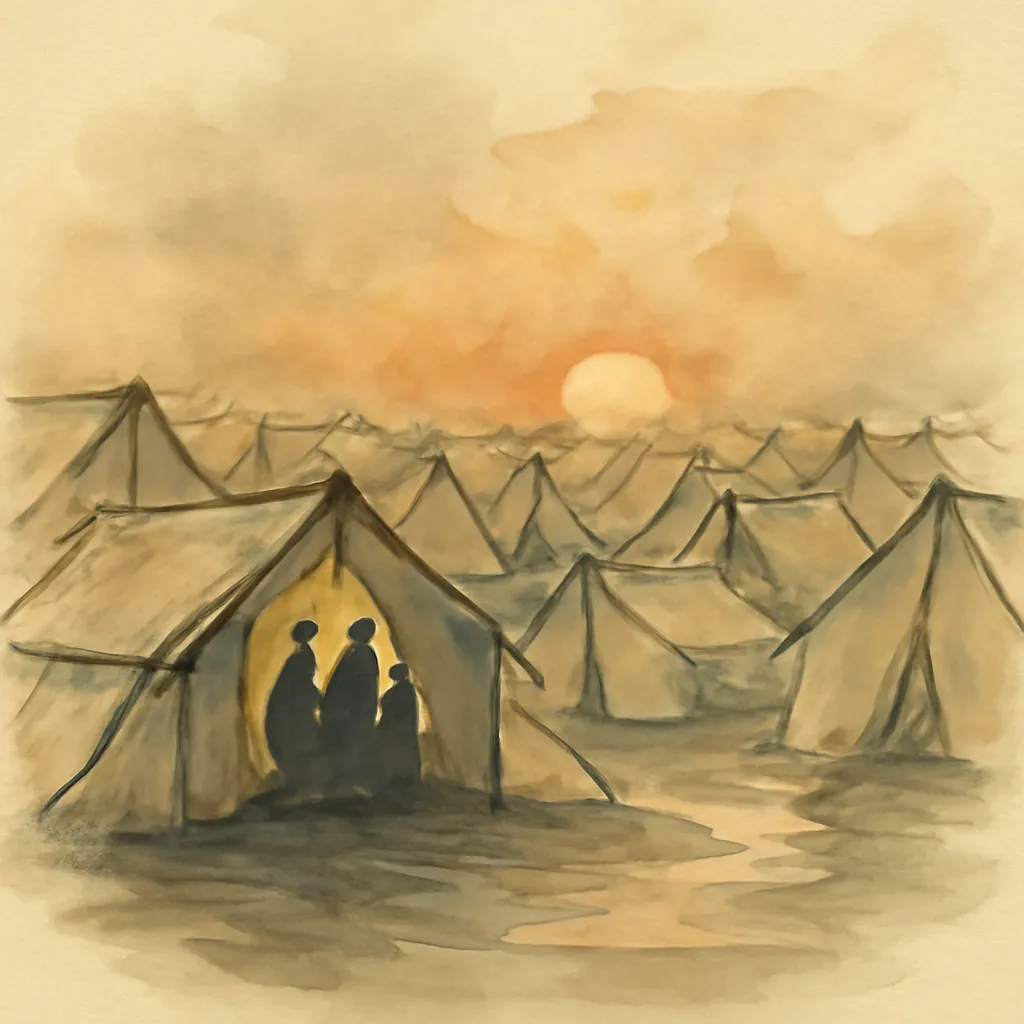
Hannah vividly depicts the devastation of the Dust Bowl, not just as a backdrop but as a relentless antagonist. The choking dust, failed crops, and dying livestock are more than environmental phenomena—they are daily threats to survival and dignity. The book explores how ecological catastrophe can fracture families, uproot communities, and expose the limits of human control over nature. It also draws parallels to contemporary concerns about climate change and displacement.
3.Migration and the American Dream
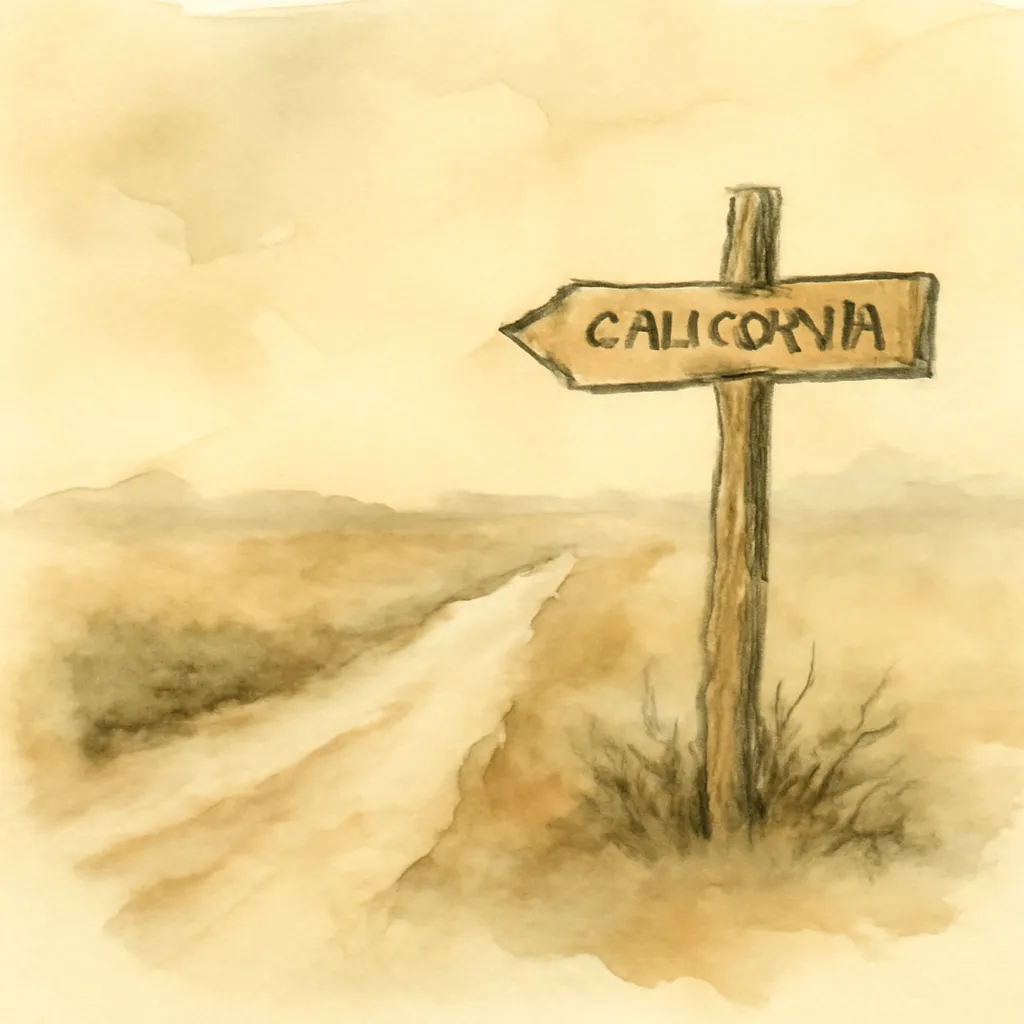
Elsa’s journey westward mirrors the mass migration of thousands of families fleeing the Dust Bowl for California, lured by promises of work and a better life. The novel interrogates the myth of the American Dream, exposing the exploitation, poverty, and prejudice migrants faced. Through Elsa’s eyes, readers witness the gap between hope and reality, and the resilience required to keep striving for a better future despite repeated disappointments.
4.Motherhood as Sacrifice and Identity
Motherhood is central to Elsa’s character and the narrative’s emotional core. Her decisions are driven by fierce love for her children, even when it means enduring humiliation, backbreaking labor, or separation. The novel examines how motherhood can be both a source of strength and a crucible of suffering, and how women’s identities are shaped—and sometimes constrained—by their roles as caregivers.
5.Solidarity and Social Justice
As Elsa and her children join the ranks of migrant workers in California, they confront not only poverty but also systemic injustice—low wages, inhumane living conditions, and hostility from locals. The story explores the power and necessity of community, collective action, and standing up for one’s rights. Elsa’s eventual activism underscores the importance of solidarity in the face of exploitation, and the novel draws on real historical labor struggles of the 1930s.
6.The Endurance of Hope
Despite relentless hardship, The Four Winds is ultimately a testament to hope. Elsa and her family endure loss, betrayal, and despair, but the story insists on the possibility of renewal. Hannah suggests that even when dreams are shattered, the act of hoping—and fighting for a better tomorrow—is itself an act of defiance and humanity.