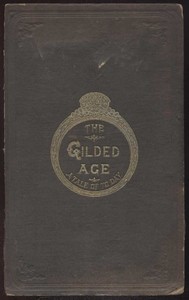

The Gilded Age: A Tale of Today exposes the stark contrasts between wealth and poverty, ambition and despair, in a rapidly changing America
Read full overviewShow less›
Set against the backdrop of a post-Civil War America, 'The Gilded Age: A Tale of Today' offers a vivid exploration of the complex social landscape of the time. Mark Twain and Charles Dudley Warner lay bare the illusions of grandeur that accompany the pursuit of wealth, revealing a society rife with corruption, hypocrisy, and moral decay. Through the lives of Squire Hawkins and his family, alongside a cast of characters navigating the tumultuous waters of ambition and social climbing, readers will gain insight into the human condition amid the glittering facades of prosperity. The novel serves as both a mirror and a critique of its era, prompting reflection on the true costs of success and the nature of happiness in a world obsessed with material gain.
In 'The Gilded Age: A Tale of Today,' Twain and Warner offer a powerful critique of the societal values of their time, exploring the intersections of wealth, ambition, and morality. Through the lens of the Hawkins family and their struggles, the novel reveals the complexities of the human experience amid a rapidly changing America. The themes of corruption, class disparity, and the search for identity resonate with contemporary readers, prompting reflection on the enduring nature of these issues. Ultimately, the novel serves as a poignant reminder of the human cost of ambition and the pursuit of the American Dream, encouraging readers to consider the true meaning of success and fulfillment in their own lives.
Ratings at a glance
- 1The Illusion of the American Dream
- 2The Struggle Between Wealth and Poverty
- 3The Nature of Friendship and Loyalty
- 4Corruption and Moral Decay
- 5The Role of Women in Society
Notable quotes
“Ah, I'm sorry I spoke so, my boy. Tell me—is anything the matter?”
“The children and the slaves were not much more at ease after finding out that this monster was a creature of human contrivance than they were the night before when they thought it the Lord of heaven and earth.”
“Laura was not one of them. She had the fatal gift of beauty, and that more fatal gift which does not always accompany mere beauty, the power of fascination.”
A glimpse inside

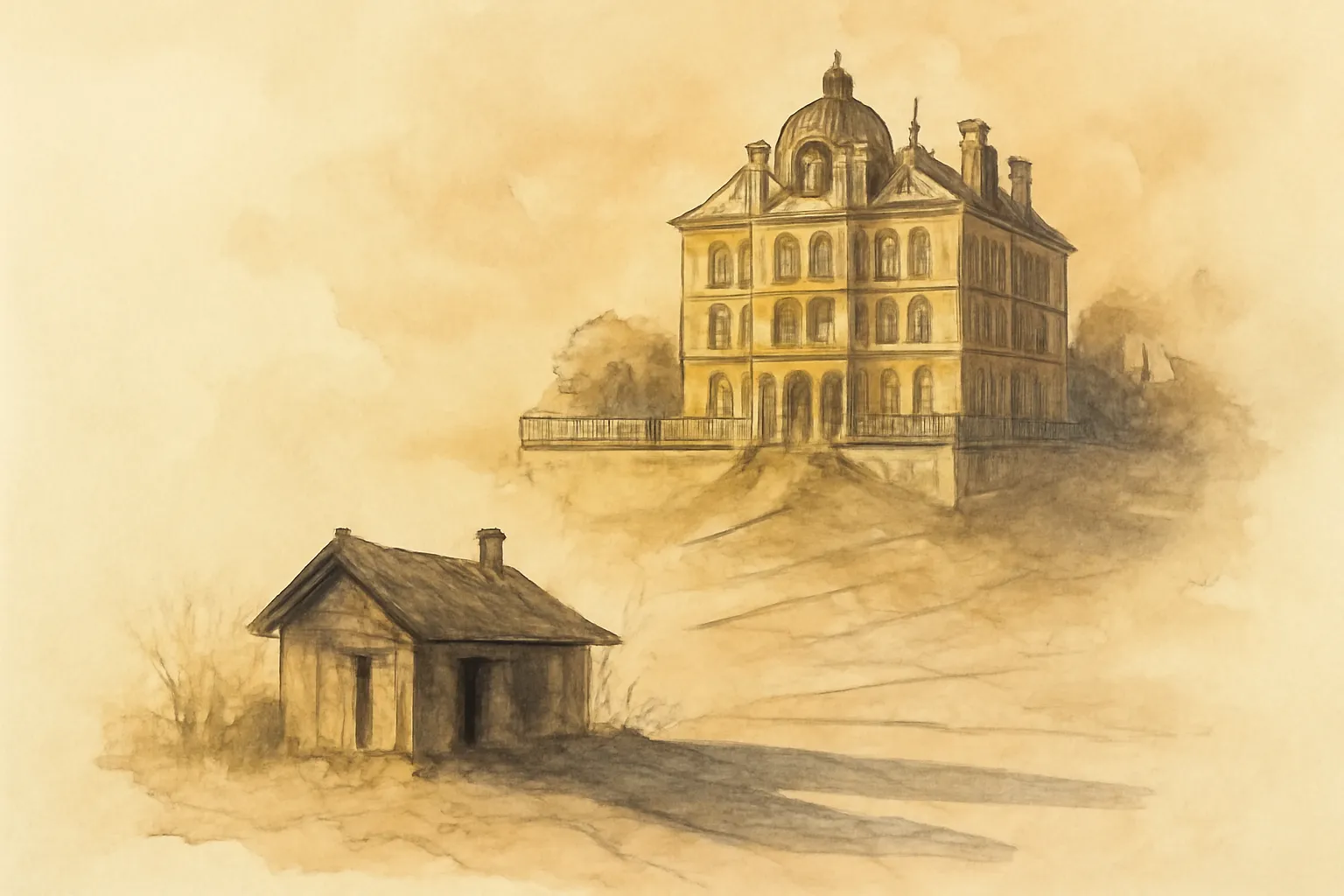
The characters in 'The Gilded Age' grapple with the seductive allure of wealth and status, often leading to disillusionment. Read moreThe characters in 'The Gilded Age' grapple with the seductive allure of wealth and status, often leading to disillusionment. Squire Hawkins, the postmaster and storekeeper of the small town of Obedstown, holds a title that suggests respectability but masks the reality of his poverty and the decay of his home. His aspirations to rise above his circumstances highlight the central theme that the American Dream is often just that—a dream. Twain and Warner illustrate how the pursuit of wealth can lead to moral compromise, with characters like Col. Sellers embodying the desperate lengths to which individuals will go to achieve success, even if it means engaging in dubious schemes. The narrative reveals that the characters' desires for wealth often blind them to the true nature of happiness, which lies not in material gain but in personal integrity and fulfillment. This critique of the American Dream resonates with modern readers, as it questions whether true success is measured in wealth or in the values one holds dear. Show less
Twain and Warner poignantly illustrate the stark divide between the wealthy elite and the impoverished majority. Characters such as the Hawkins family and the impoverishe… Read moreTwain and Warner poignantly illustrate the stark divide between the wealthy elite and the impoverished majority. Characters such as the Hawkins family and the impoverished boy mourning his mother highlight the human cost of economic disparity. The juxtaposition of Squire Hawkins' futile attempts to maintain a façade of respectability against the backdrop of his family's struggles emphasizes the emotional toll of poverty. The novel explores the plight of the widow who has lost everything to fever and her son Clay, who embodies the innocence and vulnerability of those caught in the cycle of poverty. Twain captures the bitter irony of the American experience, where those who should be supported and uplifted are instead left to suffer in silence. This exploration of wealth versus poverty serves as a powerful reminder of societal responsibilities, urging readers to confront the uncomfortable truths about economic inequality and the need for compassion in addressing the struggles of others. Show less
Read the full text — free
About the author
Mark Twain has 10 works free to read on Lumina, including A Connecticut Yankee in King Arthur’s Court, Adventures of Huckleberry Finn, Following the Equator: A Journey Around the World