1.The Illusion of the American Dream

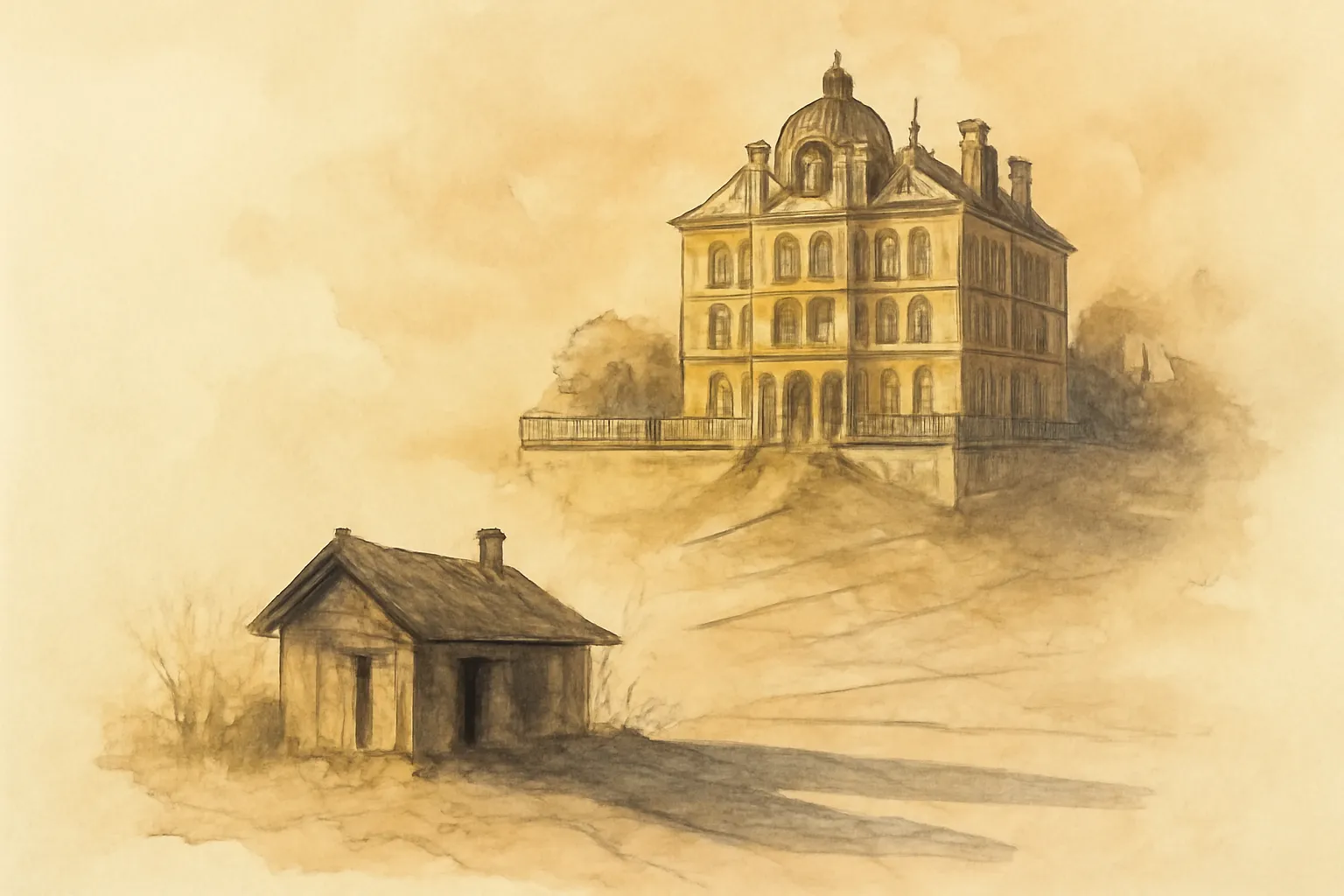
The characters in 'The Gilded Age' grapple with the seductive allure of wealth and status, often leading to disillusionment. Squire Hawkins, the postmaster and storekeeper of the small town of Obedstown, holds a title that suggests respectability but masks the reality of his poverty and the decay of his home. His aspirations to rise above his circumstances highlight the central theme that the American Dream is often just that—a dream. Twain and Warner illustrate how the pursuit of wealth can lead to moral compromise, with characters like Col. Sellers embodying the desperate lengths to which individuals will go to achieve success, even if it means engaging in dubious schemes. The narrative reveals that the characters' desires for wealth often blind them to the true nature of happiness, which lies not in material gain but in personal integrity and fulfillment. This critique of the American Dream resonates with modern readers, as it questions whether true success is measured in wealth or in the values one holds dear.
2.The Struggle Between Wealth and Poverty

Twain and Warner poignantly illustrate the stark divide between the wealthy elite and the impoverished majority. Characters such as the Hawkins family and the impoverished boy mourning his mother highlight the human cost of economic disparity. The juxtaposition of Squire Hawkins' futile attempts to maintain a façade of respectability against the backdrop of his family's struggles emphasizes the emotional toll of poverty. The novel explores the plight of the widow who has lost everything to fever and her son Clay, who embodies the innocence and vulnerability of those caught in the cycle of poverty. Twain captures the bitter irony of the American experience, where those who should be supported and uplifted are instead left to suffer in silence. This exploration of wealth versus poverty serves as a powerful reminder of societal responsibilities, urging readers to confront the uncomfortable truths about economic inequality and the need for compassion in addressing the struggles of others.
3.The Nature of Friendship and Loyalty

Throughout 'The Gilded Age,' the theme of friendship and loyalty emerges as a vital counterpoint to the relentless pursuit of wealth. The bond between the Hawkins family and the orphaned girl, Laura, illustrates how compassion and human connection can transcend economic barriers. As Squire Hawkins and his wife take Laura under their wing, their actions reflect a deeper understanding of the importance of community and support in times of hardship. However, the narrative also reveals the fragility of these bonds, as characters like Col. Sellers prioritize ambition over loyalty, showcasing how the quest for success can lead to betrayal. The interactions between characters reveal that true friendship often comes at a cost, forcing individuals to choose between their ambitions and their relationships. Through this exploration, Twain invites readers to reflect on the value of loyalty and the sacrifices made in the name of friendship, while also questioning how ambition can warp human connections and lead to moral ambiguity.
4.Corruption and Moral Decay
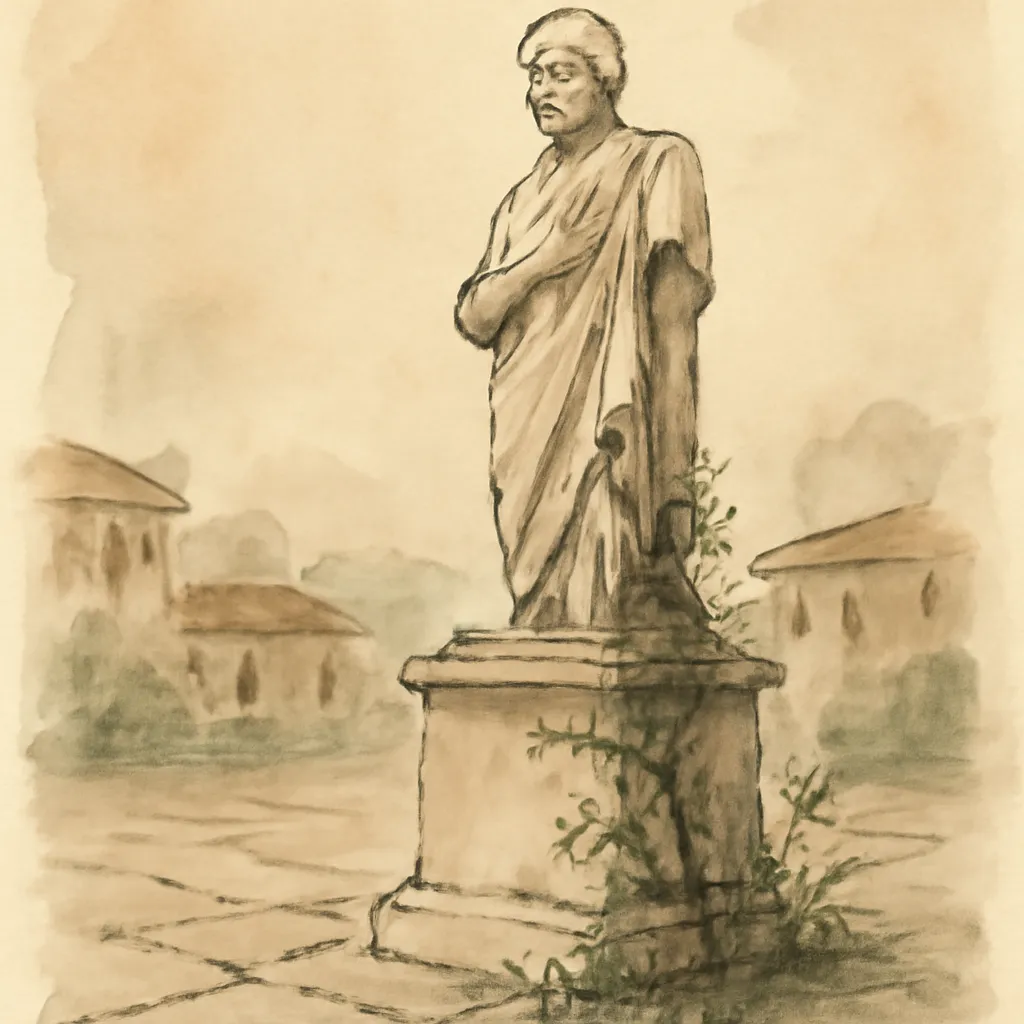
The novel paints a vivid picture of the corruption that pervades society, particularly among those in positions of power. Characters such as Col. Sellers, who is often embroiled in dubious financial schemes, epitomize the moral decay that accompanies the pursuit of wealth. Twain and Warner expose how the desire for riches can corrupt individuals, leading them to compromise their values and integrity. Political figures and businessmen engage in unethical practices, showcasing the extent to which society is willing to overlook corruption in favor of profit. The portrayal of characters who manipulate laws and exploit others serves as a critique of the era's rampant corruption, inviting readers to question the ethical implications of their own pursuits. This theme remains relevant today, as it prompts reflection on the integrity of those in power and the societal structures that enable corruption to flourish. Twain's exploration of corruption is a call to vigilance, urging readers to consider the moral implications of their choices and the broader impact of societal corruption.
5.The Role of Women in Society

In 'The Gilded Age,' women navigate a complex social landscape, often constrained by societal expectations and economic limitations. Laura, the orphaned girl, becomes a focal point for examining the challenges faced by women in a patriarchal society. Her journey from poverty to acceptance within the Hawkins family highlights the limited opportunities available to women of her time. The novel explores themes of agency and independence, as Laura grapples with her identity and the expectations placed upon her. Laura's experience illuminates the tension between societal roles and personal aspirations, as she seeks to define herself beyond the constraints of her social position. This examination of women's roles invites readers to consider how far society has come in terms of gender equality and the ongoing struggles for women's rights. Twain's portrayal of Laura emphasizes the need for empowerment and the importance of individual agency in challenging traditional gender roles.
6.The Impact of the Westward Expansion

The backdrop of westward expansion serves as a critical element in 'The Gilded Age,' shaping the aspirations and ambitions of its characters. The journey of Squire Hawkins and his family reflects the broader societal push toward the frontier, where opportunities for wealth and success beckon. This theme resonates with the historical context of the time, as the promise of land and prosperity lured many to seek their fortunes in the West. However, the novel also critiques the consequences of this expansion, revealing the toll it takes on both individuals and communities. Characters like Hawkins embody the tensions between ambition and the harsh realities of frontier life, where the pursuit of wealth can lead to moral and ethical dilemmas. Twain's narrative invites readers to reflect on the complexities of progress and the often-unseen costs associated with the relentless pursuit of the American Dream, urging a more nuanced understanding of westward expansion.
7.Satire as a Tool for Social Commentary
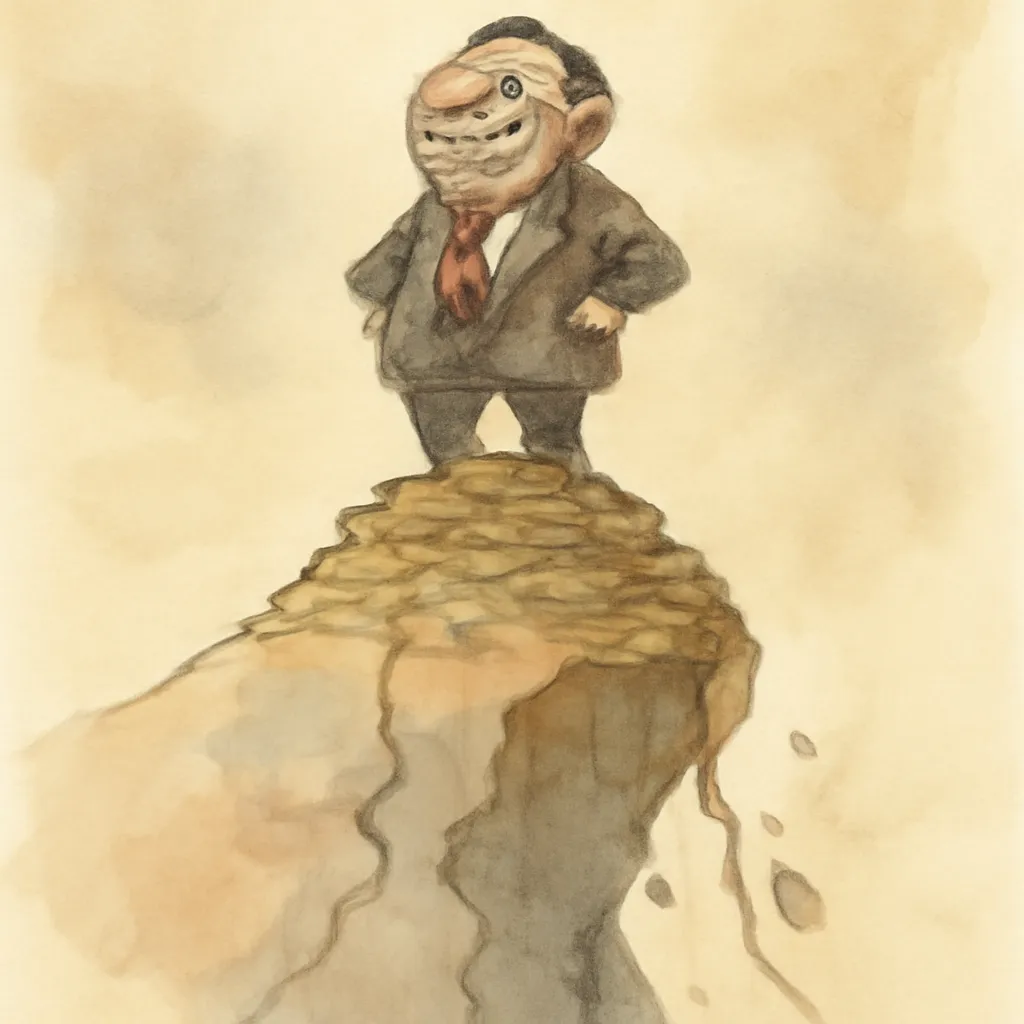
Twain and Warner employ satire throughout 'The Gilded Age' to critique the societal norms and values of their time. The exaggerated portrayals of characters and situations serve to highlight the absurdities of the pursuit of wealth and status. For instance, Col. Sellers' grandiose schemes and over-the-top optimism serve as a humorous reflection of the era's obsession with material success. This use of satire not only entertains but also invites readers to critically engage with the text and consider the deeper implications of the narrative. The humor embedded in the characters' follies and the absurdity of their aspirations serves as a lens through which Twain critiques the moral failings of society. By exposing the contradictions and flaws within social values, Twain and Warner encourage a more profound understanding of the human experience and the societal forces that shape it. Satire becomes a powerful mechanism for social commentary, urging readers to question the status quo and examine the motivations behind human behavior.
8.The Influence of Class and Social Status
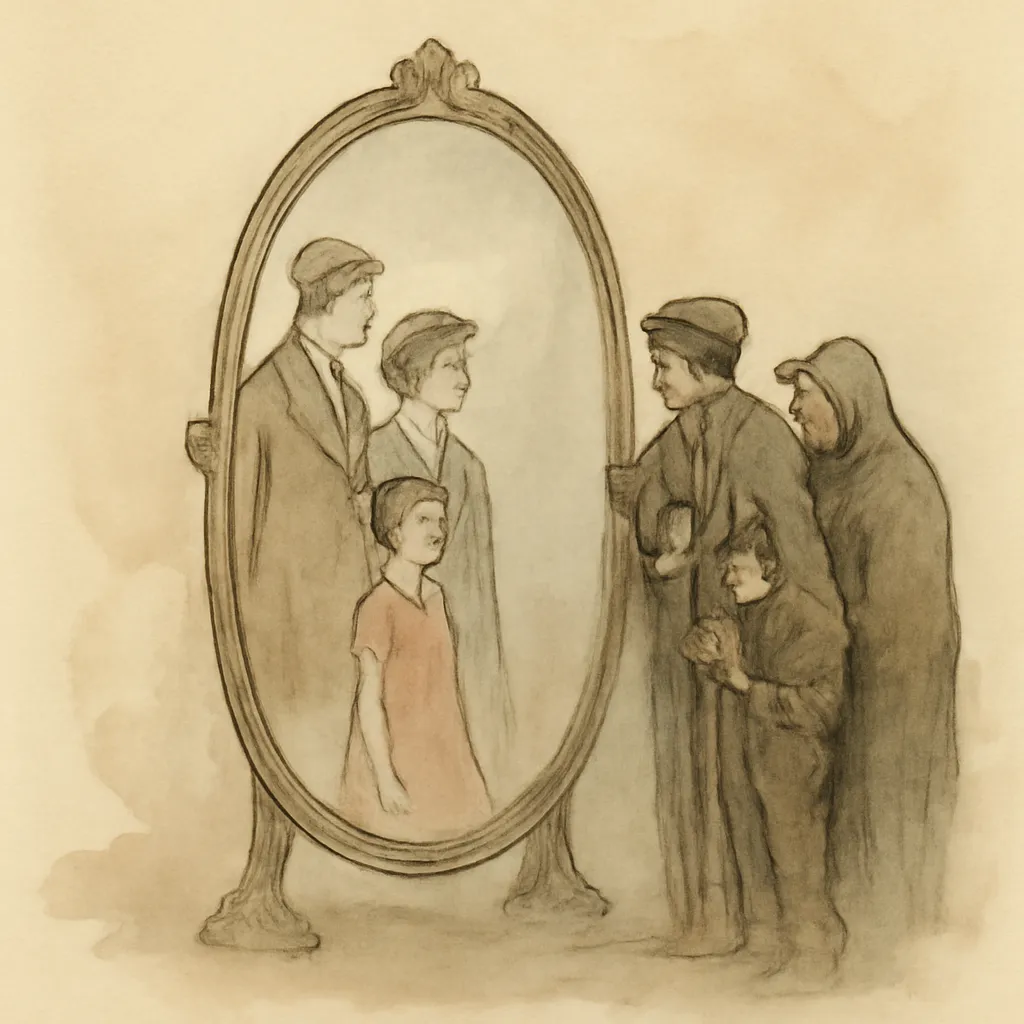
Class and social status play a significant role in shaping the characters' lives and interactions in 'The Gilded Age.' The Hawkins family's attempts to navigate their social standing reveal the complexities of class dynamics in a rapidly changing society. As they interact with wealthier characters, such as Col. Sellers, their struggles with identity and belonging become evident. The novel illustrates how social status dictates opportunities and relationships, often leading to feelings of inadequacy and frustration among those who are struggling to rise. Twain's exploration of class dynamics exposes the rigid structures that govern social interactions, revealing the barriers that prevent individuals from achieving true equality and connection. The impact of class on the characters’ lives serves as a reminder of the ongoing relevance of these issues, inviting readers to consider how social stratification continues to shape our modern world. Through the lens of class, Twain critiques a society that values wealth over character, ultimately questioning the integrity of social hierarchies.
9.The Search for Identity

The characters in 'The Gilded Age' embark on a quest for identity amid the shifting social landscape of their time. Laura's journey from an orphan to a member of the Hawkins family exemplifies the search for belonging and self-discovery. Her experiences raise questions about the nature of identity and the influences that shape it, particularly in a society that often values wealth and status over personal worth. The narrative invites readers to consider their own identities and the factors that contribute to their sense of self. This theme of identity is intricately tied to the broader societal changes occurring during the Gilded Age, highlighting how external forces can impact one's understanding of who they are. Characters like Washington Hawkins also grapple with their identities, reflecting the tension between their aspirations and the realities of their social positions. Twain's exploration of identity underscores the complexity of self-perception in a rapidly evolving society, prompting readers to reflect on their own journeys of self-discovery and the societal influences that shape them.
10.The Consequences of Ambition

Ambition serves as a double-edged sword in 'The Gilded Age,' driving characters toward success while simultaneously leading to their downfall. Squire Hawkins' aspirations to elevate his social standing often result in personal and familial strife, as the pressures of ambition take a toll on his relationships. The novel examines the consequences of unchecked ambition, illustrating how the relentless pursuit of success can lead to moral compromise and emotional turmoil. This exploration of ambition resonates with modern readers, as it prompts critical reflection on the nature of success and the sacrifices individuals make in its pursuit. The narrative ultimately raises questions about the true cost of ambition and whether it is worth the price one must pay. Characters who allow ambition to overshadow their values often find themselves facing the ramifications of their choices, serving as cautionary tales about the perils of prioritizing success over integrity.