
A whimsical exploration of love, identity, and the comedic entanglements of a young man's pursuit of a girl with lofty ideals
Read full overviewShow less›
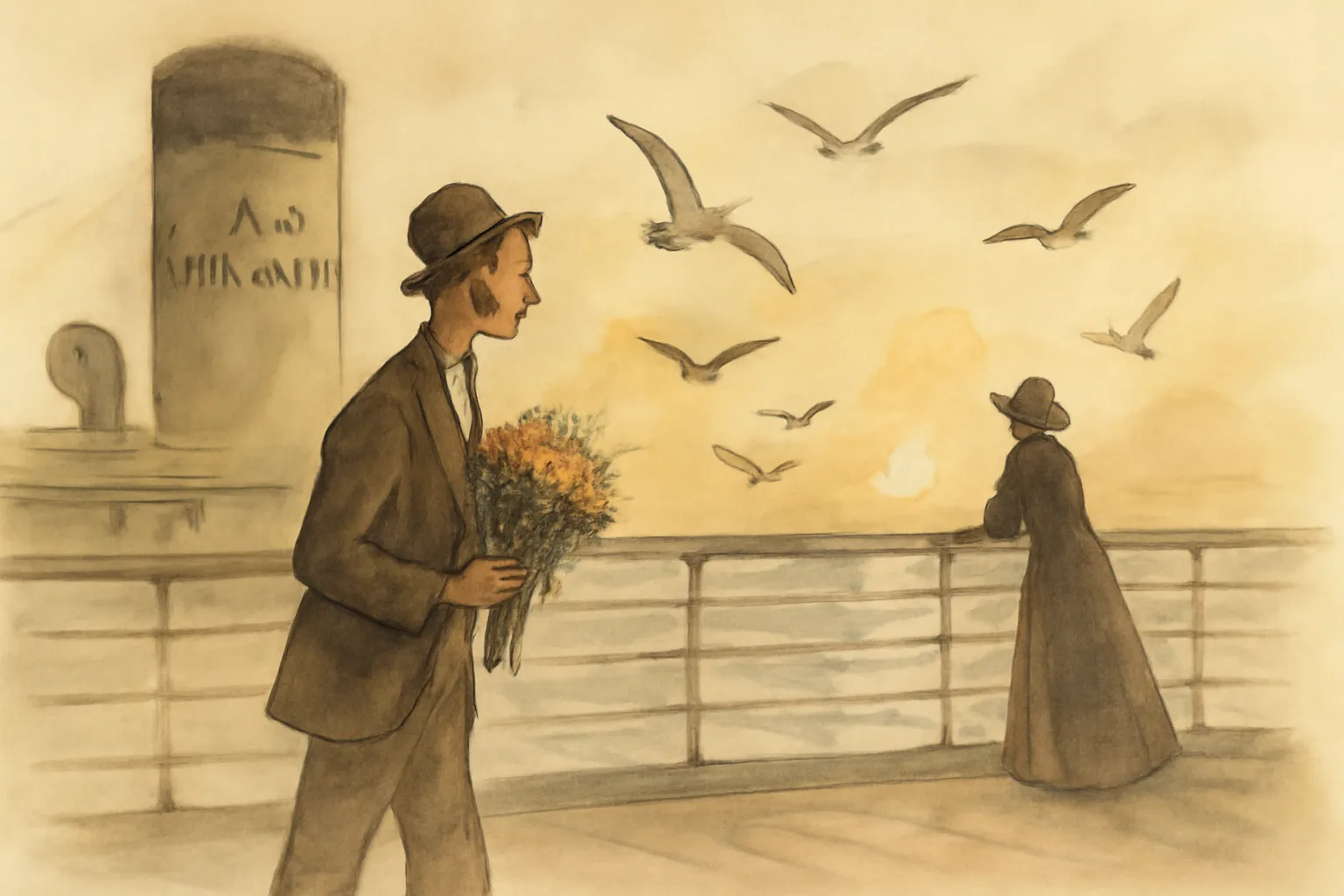
In 'The Girl on the Boat', P.G. Wodehouse invites readers into a world of romantic misadventures and humorous misunderstandings aboard the R.M.S. Atlantic. The story follows Sam Marlowe, an everyman caught in a whirlwind of love for the idealistic Wilhelmina Bennett, known as Billie. With a backdrop of a transatlantic voyage and the charm of British aristocracy, Wodehouse crafts a narrative rich in comedic tension and social commentary. This tale is not just about romance; it's a delightful examination of character, societal expectations, and the absurdities of human relationships. Get ready for a lighthearted journey that reminds us of the complexities of love and the often ridiculous lengths we go to in its pursuit.
Wodehouse’s 'The Girl on the Boat' is a delightful exploration of love's complexities, filled with humor, misadventures, and a cast of memorable characters. Through Sam Marlowe's journey, readers are reminded of the absurdities of romantic pursuits and the often unrealistic expectations that accompany them. The narrative not only entertains but also invites reflection on the nature of love, friendship, and societal influences. Ultimately, Wodehouse encourages us to embrace the humor in our follies, suggesting that love, with all its complications, is a journey best navigated with laughter and light-heartedness. This timeless tale resonates with anyone who has ever faced the trials of love, making it a classic in romantic comedy.
Ratings at a glance
- 1The Quest for Ideal Love
- 2A Cast of Colorful Characters
- 3The Voyage as a Metaphor
- 4The Comedy of Errors
- 5Romantic Idealism vs. Realism
Notable quotes
“It was Sam Marlowe’s fate to fall in love with a girl on the R.M.S. “Atlantic” (New York to Southampton) who had ideals.”
“Her friends called her Billie. He did not blame them. It was a delightful name.”
“Ships’ concerts are given in aid of the Seamen’s Orphans and Widows, and, after one has been present at a few of them, one seems to feel that any right-thinking orphan or widow would rather jog along and take a chance of starvation than be the innocent cause of such things.”
A glimpse inside

At the heart of the narrative is Sam Marlowe's infatuation with Billie Bennett, a girl who embodies lofty ideals and romantic expectations reminiscent of Sir Galahad. Read moreAt the heart of the narrative is Sam Marlowe's infatuation with Billie Bennett, a girl who embodies lofty ideals and romantic expectations reminiscent of Sir Galahad. Billie seeks not just a partner, but a paragon of virtue and nobility, which puts Sam in a precarious position as he grapples with his own shortcomings. Their relationship begins on the R.M.S. Atlantic, where a stroke of luck allows Sam to momentarily rise to Billie’s expectations—an accidental heroism that sets the stage for their romantic entanglement. However, as the voyage progresses, the gap between Sam's reality as a charming but flawed young man and Billie's ideals widens, leading to comedic situations that reflect the challenges of modern romance. Wodehouse uses this dynamic to explore the theme of ideal versus reality, showcasing how the pursuit of perfection often leads to humorous disappointment and self-reflection. Sam’s journey illustrates that love is not merely about meeting ideals, but about acceptance and understanding the authenticity of human connection. Show less
Wodehouse populates his story with a vibrant cast that adds depth and humor to the narrative. Sam's cousin Eustace Hignett serves as a foil to our protagonist, providing… Read moreWodehouse populates his story with a vibrant cast that adds depth and humor to the narrative. Sam's cousin Eustace Hignett serves as a foil to our protagonist, providing a contrast between romantic desperation and the carefree attitude of Sam. Eustace has already faced rejection from Billie, which complicates Sam’s feelings towards her and increases the stakes of their interactions. The interactions between these characters reveal their distinct personalities, from Eustace’s melodramatic nature to Sam’s more relaxed approach to life. Additionally, figures like Mrs. Horace Hignett, a renowned lecturer on Theosophy, embody the intellectual pretensions of the time, offering commentary on societal norms and expectations with her authoritative yet humorous stance. Each character's quirks and relationships contribute to a rich tapestry of comedic situations, enhancing the reader's engagement with the story. They not only drive the plot forward but also reflect the various attitudes toward love and life, making the narrative a multifaceted exploration of human connections. Show less
Read the full text — free
About the author
P. G. Wodehouse has 2 works free to read on Lumina, including The Man Upstairs and Other Stories
All 2 books by P. G. Wodehouse →