

China, fiction · Fiction, historical, general · Social life and customs
The Good Earth by Pearl S. Buck — Summary, Key Ideas & Quotes
1931316 pages✦ 3-min Big ideas★ 3.9 (24)
Rate it
This tells the poignant tale of a Chinese farmer and his family in old agrarian China. The humble Wang Lung glories in the soil he works, nurturing the land as it nurtures him and his family. Nearby, the nobles of the House of Hwang consider themselves above the land and its workers; but they will soon meet their own downfall. Hard times come upon Wang Lung and his family when flood and drought force them to seek work in the city. The working people riot, breaking into the homes of the rich and forcing them to flee. When Wang Lung shows mercy to one noble and is rewarded, he begins to rise in the world, even as the House of Hwang falls.
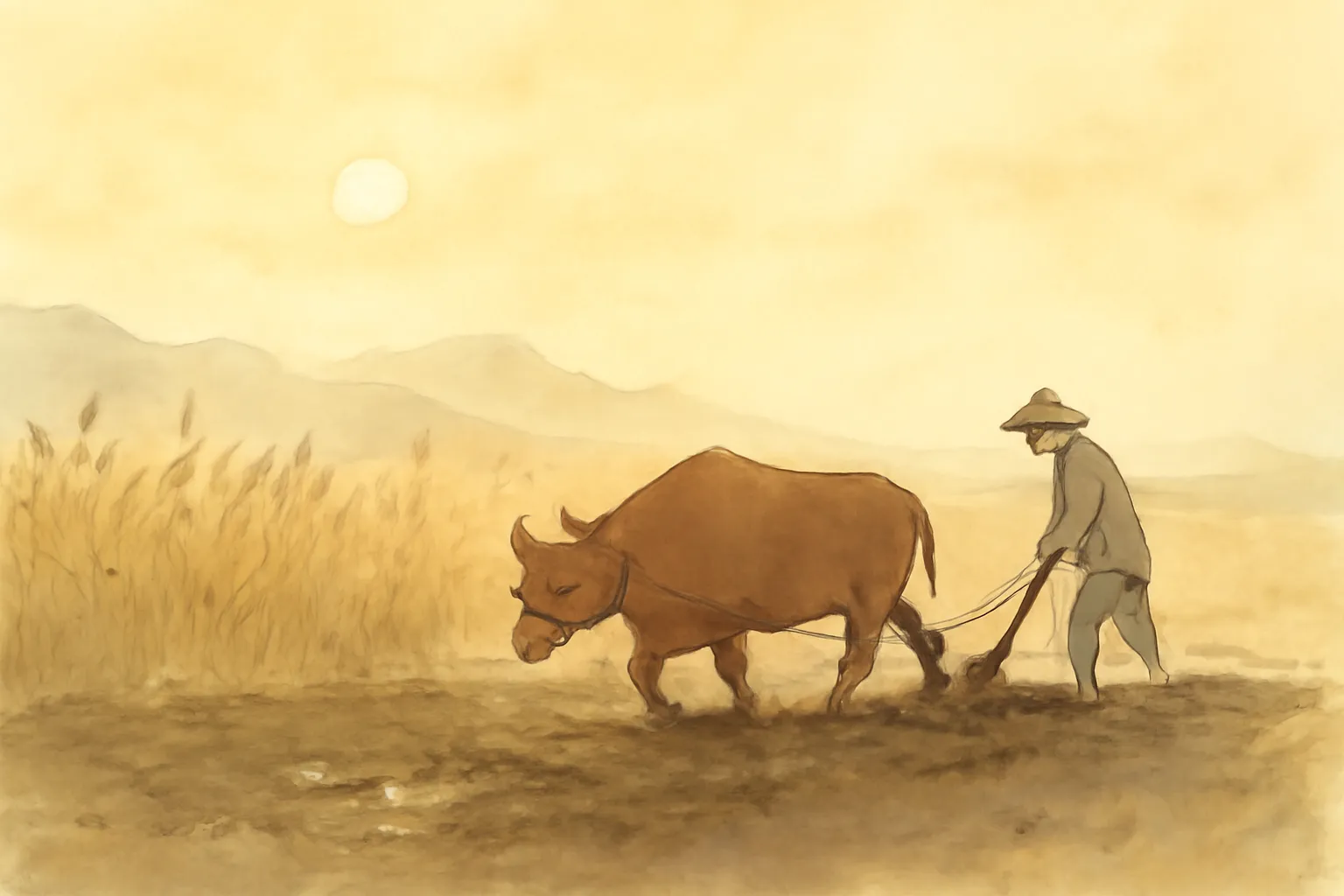
At the heart of the novel is the idea that the earth itself is both sustenance and identity for Wang Lung. His connection to the land is spiritual and practical; it gives him purpose, pride, and a sense of belonging. As fortunes rise and fall, the land remains a constant, representing stability in a world of upheaval. Buck uses this relationship to explore how attachment to the land can be both redemptive and confining, shaping not only individual destinies but also family legacies.
The Good Earth traces the cyclical nature of fortune. Wang Lung’s journey from poverty to wealth and the parallel decline of the aristocratic House of Hwang highlight the impermanence of social status. Buck shows how hard work and luck can change one’s circumstances, but also how prosperity brings new moral and personal challenges. The novel questions whether wealth truly brings happiness or simply breeds new forms of discontent.
“And roots, if they are to bear fruits, must be kept well in the soil of the land.”
“It is better to be first with an ugly woman than the hundredth with a beauty.”