1.The Land as Life and Identity
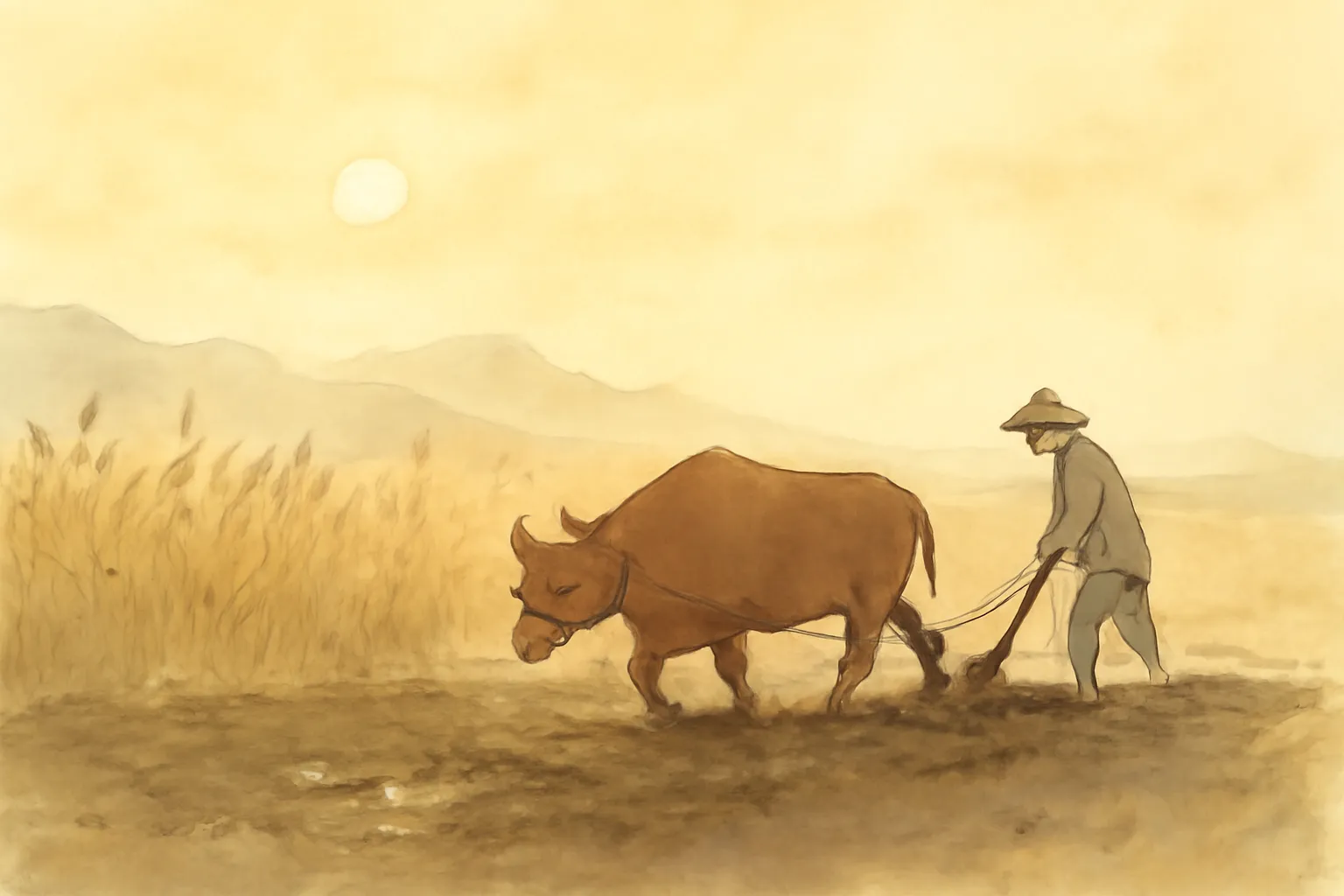
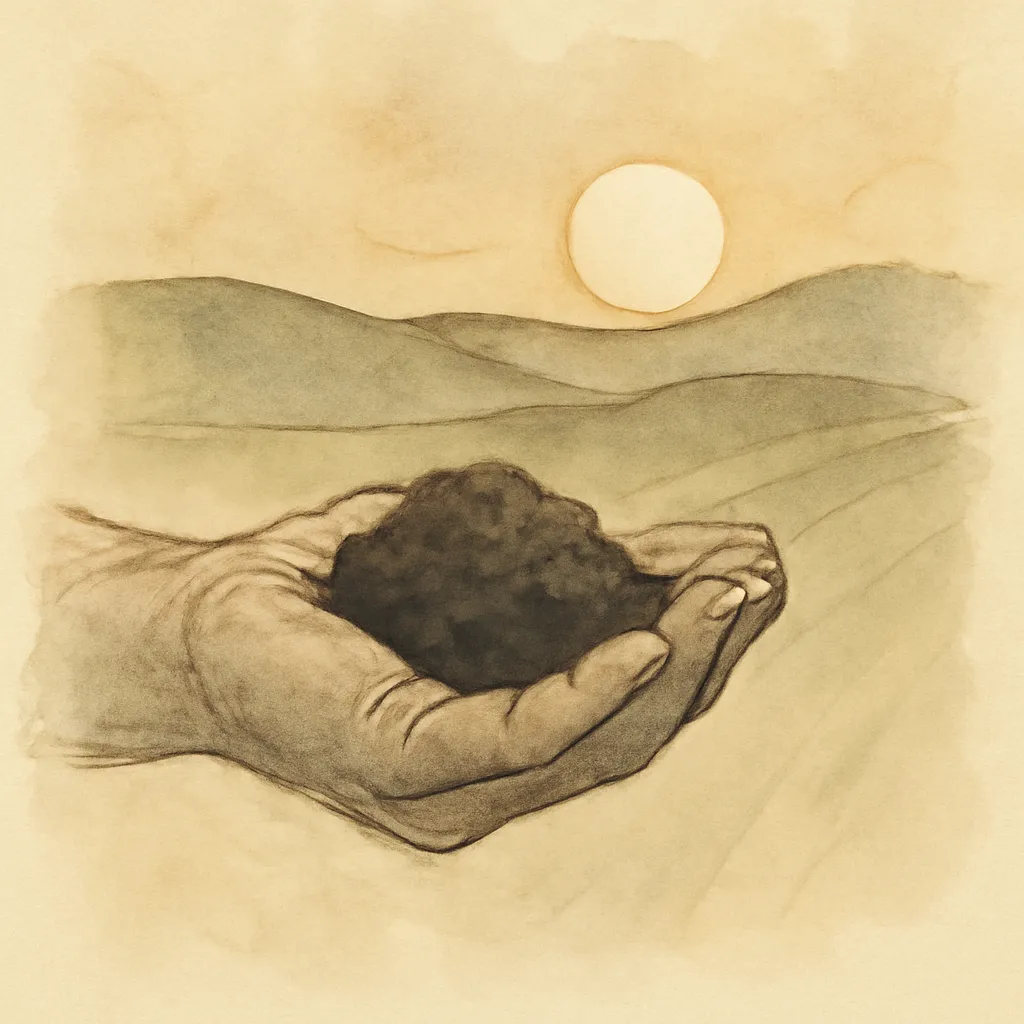
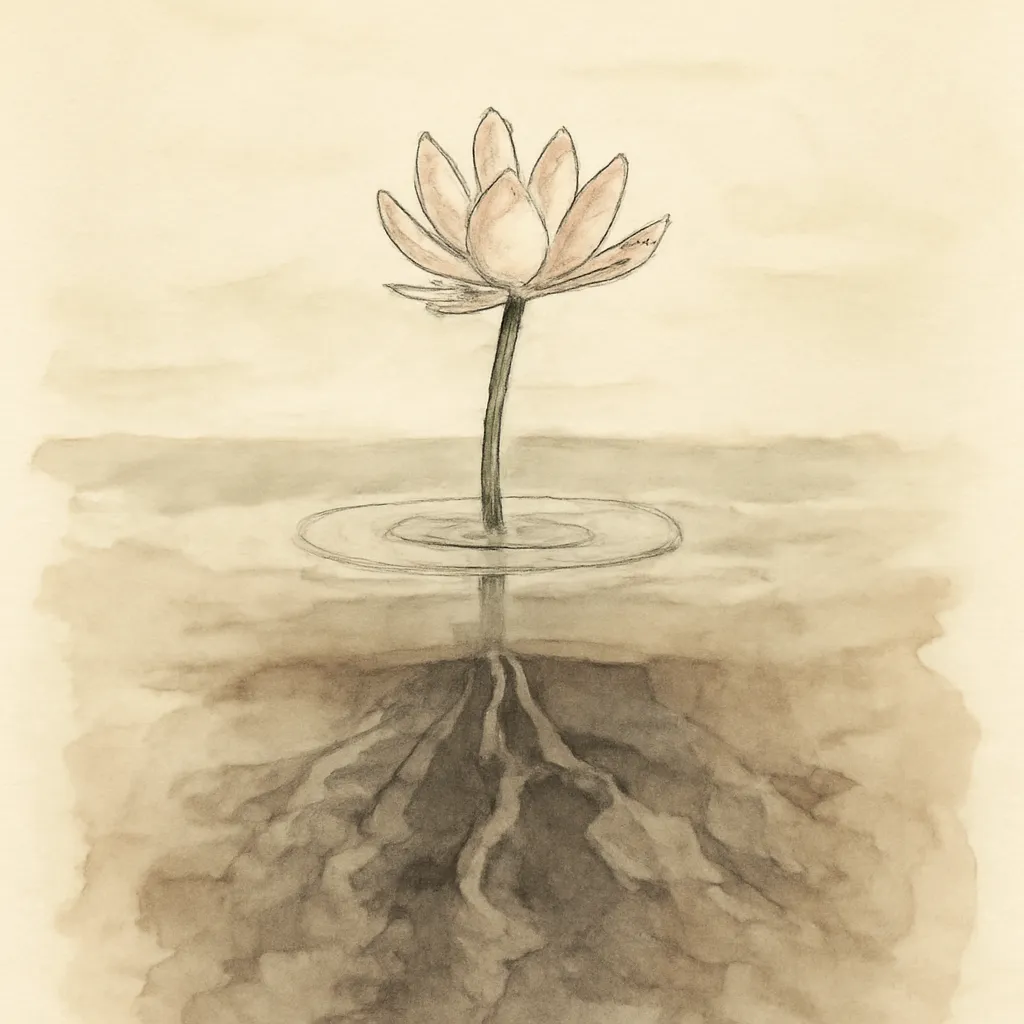
At the heart of the novel is the idea that the earth itself is both sustenance and identity for Wang Lung. His connection to the land is spiritual and practical; it gives him purpose, pride, and a sense of belonging. As fortunes rise and fall, the land remains a constant, representing stability in a world of upheaval. Buck uses this relationship to explore how attachment to the land can be both redemptive and confining, shaping not only individual destinies but also family legacies.
2.Cycles of Poverty and Wealth
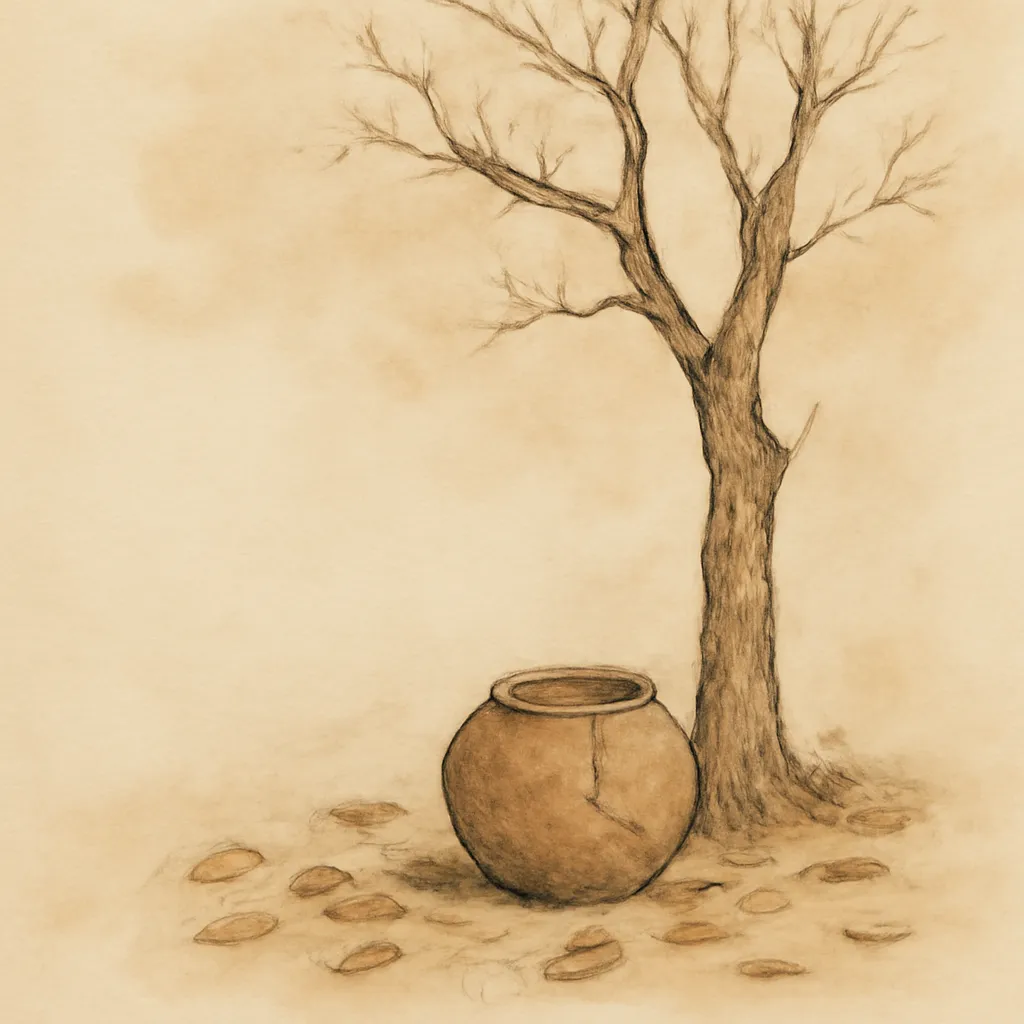
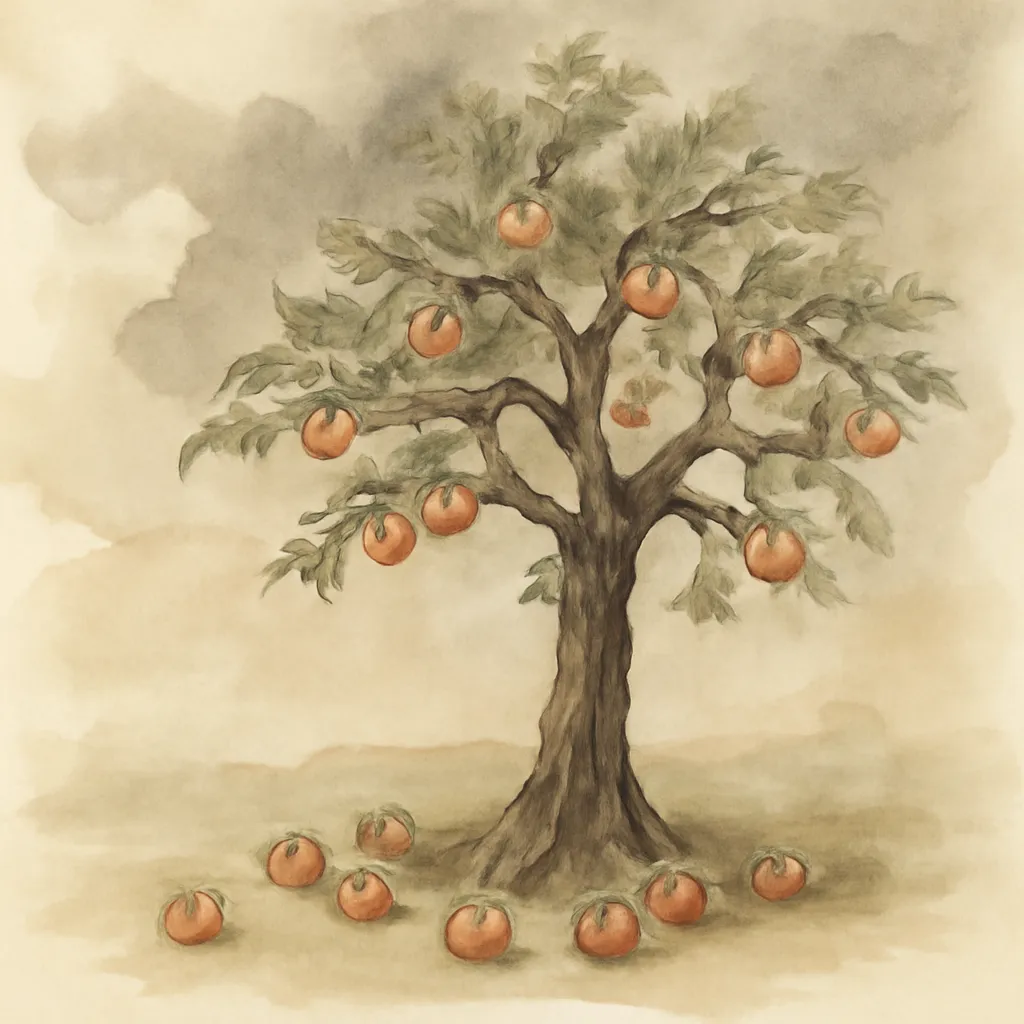
The Good Earth traces the cyclical nature of fortune. Wang Lung’s journey from poverty to wealth and the parallel decline of the aristocratic House of Hwang highlight the impermanence of social status. Buck shows how hard work and luck can change one’s circumstances, but also how prosperity brings new moral and personal challenges. The novel questions whether wealth truly brings happiness or simply breeds new forms of discontent.
3.Tradition Versus Change
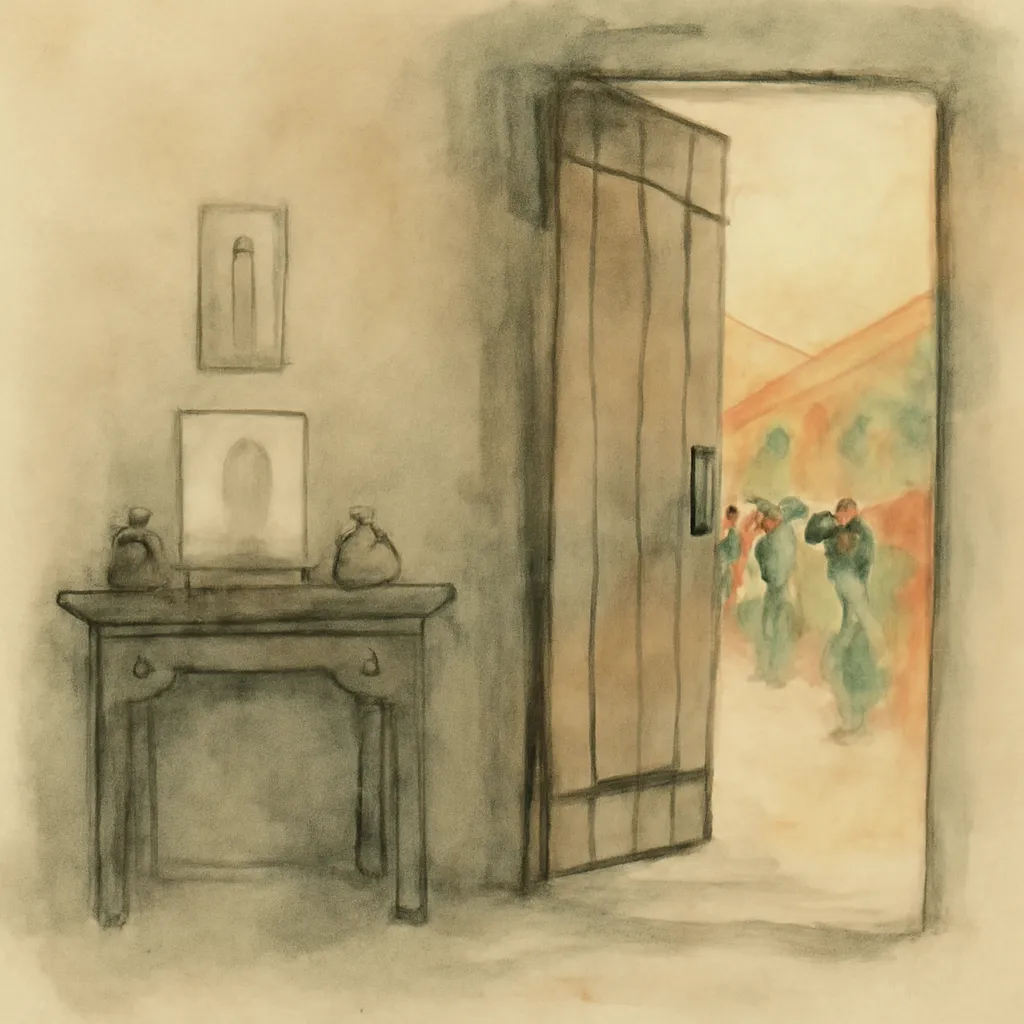
Buck sets her story at a time when old China is yielding to new influences. Wang Lung’s adherence to tradition—family hierarchy, arranged marriage, reverence for ancestors—comes under strain as his children embrace modern ideas. The tension between honoring the past and adapting to change is a central conflict, reflecting broader societal shifts in early twentieth-century China.
4.The Role of Women and Social Hierarchy
Through characters like O-Lan, the novel exposes the limited roles available to women and the suffering they endure. O-Lan’s quiet strength and sacrifices are contrasted with the fleeting allure of beauty and status. Buck critiques the rigid social hierarchy, showing how gender, class, and birth determine one’s fate, yet also how resilience and dignity can persist in the face of oppression.
5.Human Nature: Greed, Compassion, and Ambition
Wang Lung is a complex protagonist, shaped by both virtue and flaw. His compassion, especially in times of crisis, coexists with moments of greed, pride, and moral compromise. Buck’s nuanced portrayal of human nature suggests that survival and ambition can both uplift and corrupt, making prosperity as perilous as poverty.
6.Family as Both Anchor and Burden
Family is central to Wang Lung’s life, providing motivation and stability. Yet, as his fortunes grow, family relationships become fraught with jealousy, entitlement, and generational conflict. The novel explores how familial bonds can be a source of strength but also a source of pain and division, especially as values shift between generations.