
In a world where financial ruin meets the whims of fate, 'The Green Mouse' explores the intersections of love, ambition, and the peculiarities of human connection
Read full overviewShow less›
Robert W. Chambers' 'The Green Mouse' is an intricate tapestry woven with themes of romance, societal expectations, and the struggles of self-identity. At its core, the story follows a young man grappling with the aftermath of his family's financial collapse, leading him to explore unconventional avenues for survival and self-discovery. As he navigates a world filled with eccentric characters and whimsical situations, the narrative delves into the complexities of human relationships and the often unpredictable nature of destiny. Readers will find themselves captivated by the protagonist's journey, the interplay of magic and realism, and the underlying commentary on the societal constructs that bind us. This exploration of love, ambition, and the quest for meaning in an uncertain world offers rich insights into the human experience.
In 'The Green Mouse,' Robert W. Chambers crafts a rich narrative that delves into the intricacies of identity, love, and the human experience. Through the protagonist's journey from privilege to uncertainty, the story highlights the importance of connection and the transformative power of art and romance. Chambers deftly navigates themes of societal expectations, fate, and the nature of relationships, inviting readers to reflect on their own lives and choices. Ultimately, the book serves as a poignant reminder that while life may be filled with unpredictability, it is through our connections with others and our own agency that we can find meaning and purpose.
Ratings at a glance
- 1The Crisis of Identity
- 2Societal Expectations and Isolation
- 3The Art of Performance and Survival
- 4The Enigmatic Green Mouse
- 5The Power of Connection
Notable quotes
“I—I am annoyed,” she said in a voice not perfectly under command. “If you please, would you tell me whether there is such a thing as a pea-green mouse?”
“How did you do that?” she cried, enchanted.”
“That will teach you to enter my premises and hold my daughter's hand when she is drawing innocent pictures of Cooper's Bluff!”
A glimpse inside

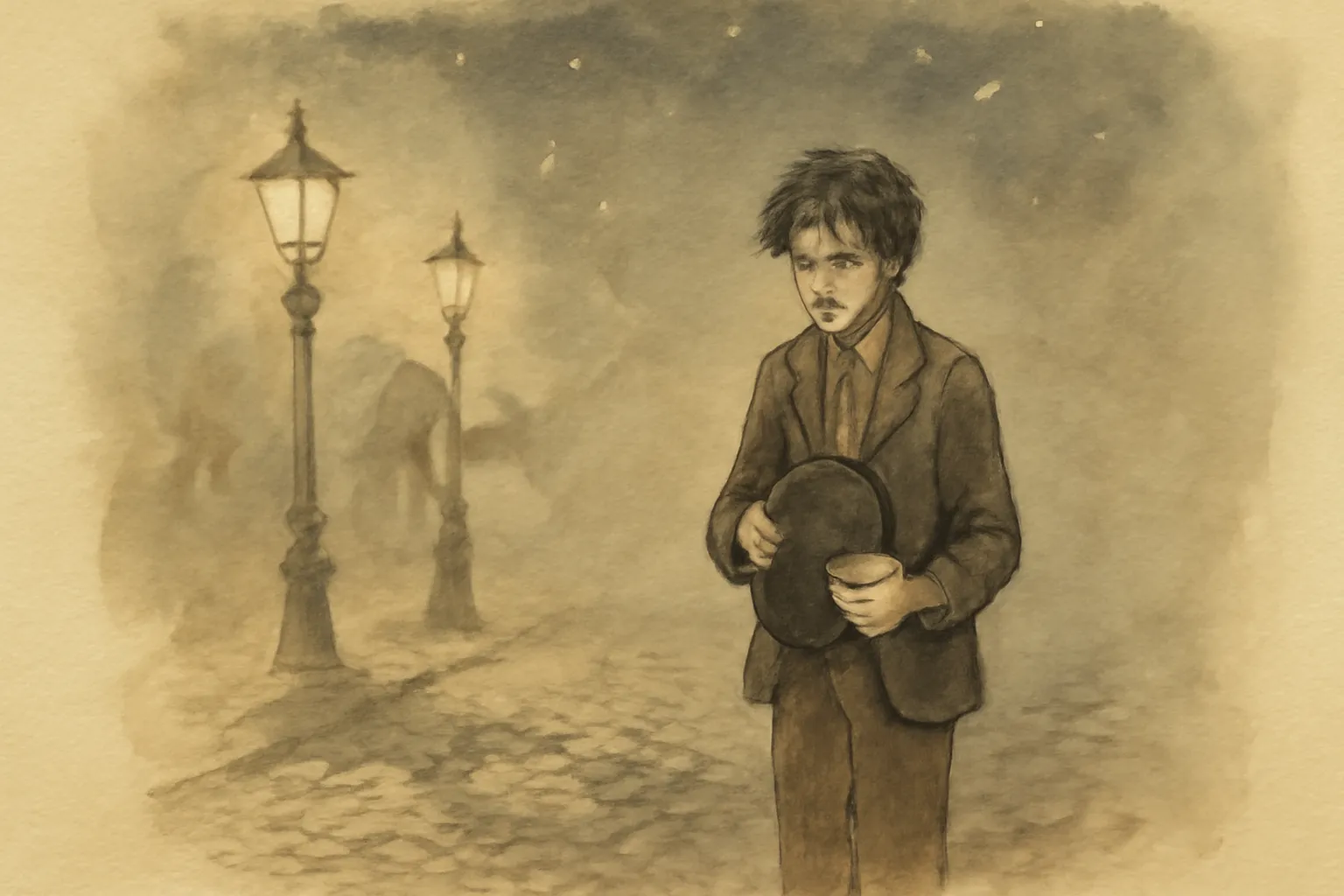
The protagonist of 'The Green Mouse' faces an existential crisis after the collapse of his family's wealth. Having been raised in privilege, he is utterly unprepared for… Read moreThe protagonist of 'The Green Mouse' faces an existential crisis after the collapse of his family's wealth. Having been raised in privilege, he is utterly unprepared for the harsh realities of life without financial security. His education, while prestigious, has not equipped him with the skills necessary for self-sufficiency. As he embarks on a quest for employment, he realizes he must confront his own identity and worth beyond inherited status. This crisis prompts deep self-reflection, leading him to question not just his capabilities but also the very meaning of his existence in a world that suddenly seems indifferent to his past. The narrative captures this journey of self-discovery as he grapples with the notion of being 'useless' and the societal pressures that dictate one’s value based on wealth and position. This theme resonates deeply in a society that often equates worth with material success, compelling readers to reflect on their own perceptions of identity. Show less
The young man’s attempts to solicit help from former acquaintances reveal the isolating nature of societal expectations. Once a part of the elite, he now finds himself os… Read moreThe young man’s attempts to solicit help from former acquaintances reveal the isolating nature of societal expectations. Once a part of the elite, he now finds himself ostracized, as those who once revered his family distance themselves, fearing association with someone who has 'gone to smash.' This experience highlights the fear inherent in social hierarchies, where the affluent are often wary of the 'underfed' reaching out for assistance. His realization that he cannot rely on anyone from his past serves as a poignant commentary on how quickly social ties can dissolve in the face of financial ruin. This theme of isolation is further emphasized by his decision to turn to strangers in the business world, illustrating the harsh realities of a society that values wealth over personal connections. The narrative poignantly illustrates the protagonist’s struggles against loneliness, emphasizing his need for genuine relationships in a world that has turned its back on him. Show less
Read the full text — free
About the author
Robert W. Chambers has 4 works free to read on Lumina, including The Girl Philippa, The King in Yellow, The Reckoning
All 4 books by Robert W. Chambers →