
Robert W. Chambers' 'The King in Yellow' is a collection of interconnected stories that blend elements of horror, fantasy, and psychological drama, exploring the themes of insanity, ambition, and the…
Read full overviewShow less›
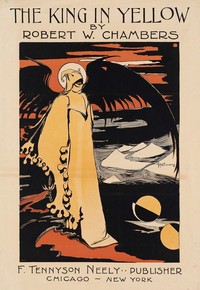
Robert W. Chambers' 'The King in Yellow' is a collection of interconnected stories that blend elements of horror, fantasy, and psychological drama, exploring the themes of insanity, ambition, and the consequences of forbidden knowledge. Set against a backdrop of a decaying society, the narrative delves into the lives of artists and intellectuals who encounter a mysterious play that drives its readers to madness. The book serves as an exploration of the darker aspects of human nature, the allure of the unknown, and the fine line between genius and insanity. Readers will find themselves captivated by the eerie atmosphere and the philosophical questions raised about art, existence, and the human psyche. As the characters grapple with their obsessions and the haunting presence of the titular King in Yellow, the stories weave a tapestry that invites contemplation on the nature of reality and the fragility of sanity.
In 'The King in Yellow,' Robert W. Chambers crafts a haunting exploration of the intersection between art and madness, inviting readers to confront the unsettling truths that lie beneath the surface of reality. The collection serves as a poignant reminder of the complexities of the human psyche and the allure of the unknown, urging us to reflect on our own ambitions, fears, and the fragility of sanity. As characters grapple with their obsessions and the consequences of their choices, the narrative weaves a tapestry that resonates with timeless themes of existential inquiry and the duality of human experience. Ultimately, Chambers' work remains a powerful testament to the enduring impact of art on our lives, challenging us to consider the price we pay for our creative pursuits and the mysteries that lie beyond the veil of understanding.
- 1The Haunting Power of Art
- 2Madness as a Reflection of Society
- 3The Interplay of Reality and Fantasy
- 4The Symbolism of the Yellow Sign
- 5The Fragility of Sanity
Notable quotes
“Ne raillons pas les fous; leur folie dure plus longtemps que la nôtre.... Voila toute la différence.”
“The day has come! the day has come!”
“There is no danger, if you choose the right moment.”
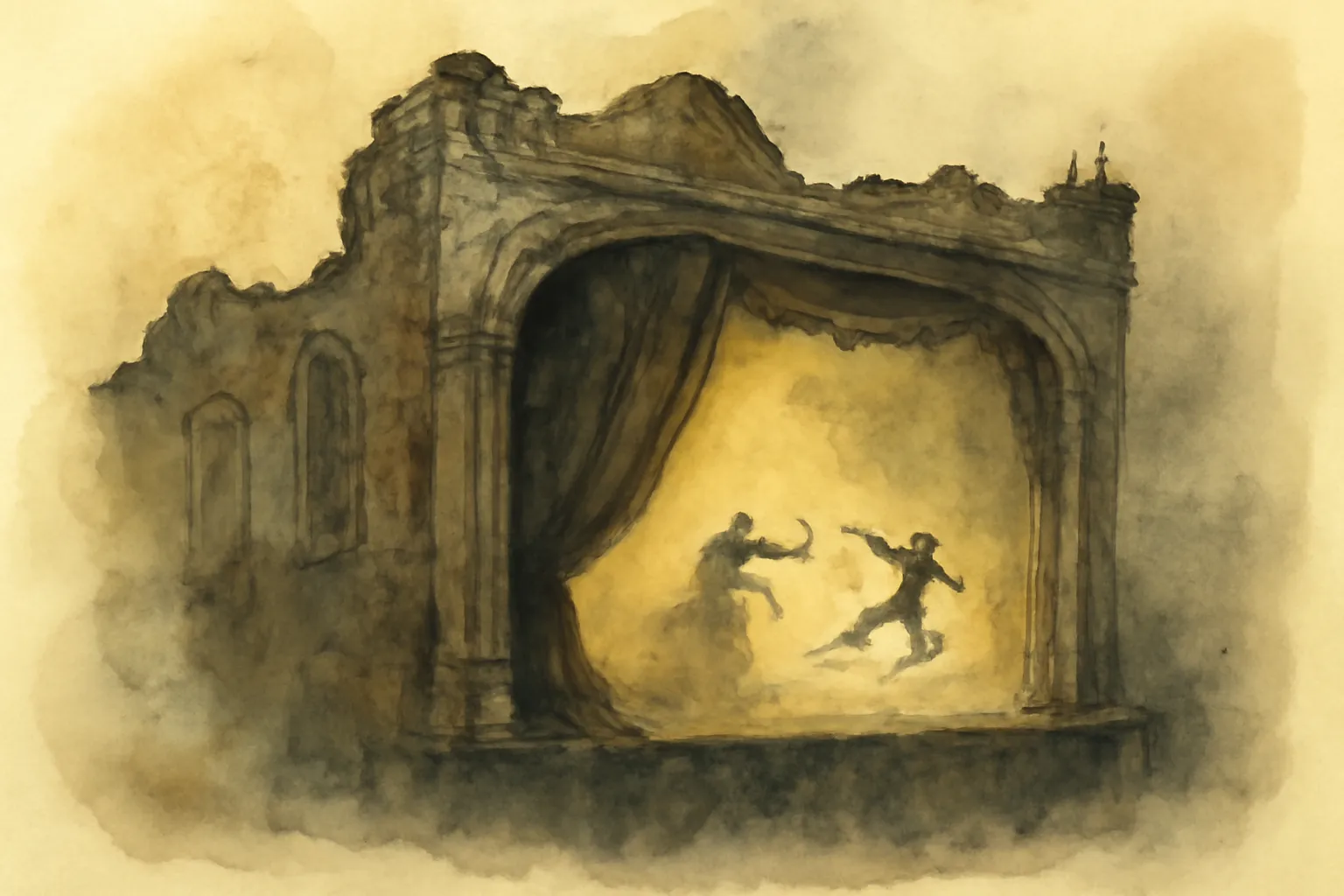
A glimpse inside

One of the central themes in 'The King in Yellow' is the powerful and often dangerous influence of art. The titular play, which is said to drive its readers mad, symboliz… Read moreOne of the central themes in 'The King in Yellow' is the powerful and often dangerous influence of art. The titular play, which is said to drive its readers mad, symbolizes the dual nature of artistic creation—capable of evoking both profound beauty and devastating horror. Characters like Mr. Wilde exemplify this tension; he is depicted as both brilliant and eccentric, navigating the fine line between artistic genius and insanity. The play serves as a metaphor for the allure of forbidden knowledge, as its seductive language and imagery pull characters into a world where reality blurs with imagination. This exploration highlights how art can inspire awe and terror simultaneously—by engaging with the play, characters confront their darkest fears and desires. For instance, Hildred Castaigne's encounters with the play manifest his ambition and subsequent downfall, illustrating how art can mirror the complexities of the human experience and reveal unsettling truths about one's psyche. Show less
Chambers presents madness not only as an individual affliction but also as a societal condition, reflecting the disintegration of the world around the characters. Read moreChambers presents madness not only as an individual affliction but also as a societal condition, reflecting the disintegration of the world around the characters. Set in a post-war America, the backdrop of political upheaval and cultural shifts amplifies the characters' internal struggles. The madness induced by the play mirrors the chaos of a society grappling with its identity. For example, Hildred Castaigne embodies the conflict between ambition and the fear of losing oneself to darker impulses. His obsession with the play and its implications leads him to confront his sanity, mirroring the anxiety of a generation that feels unmoored. This commentary on societal madness resonates with contemporary readers, highlighting the timeless nature of Chambers' insights. The characters' journeys unveil how external chaos can infiltrate the mind, suggesting a collective descent into madness that parallels their personal experiences, emphasizing a shared vulnerability in the face of societal pressures. Show less
Read the full text — free
About the author
Read Robert W. Chambers's work free on Lumina — the complete text plus an 8-minute summary and key ideas, no account needed.
Frequently asked
Worlds to get lost in
Take Lumina everywhere
Read offline, listen to AI summaries, speed-read, and sync your progress across devices — free on iPhone.
Download for iPhone