1.The Haunting Power of Art
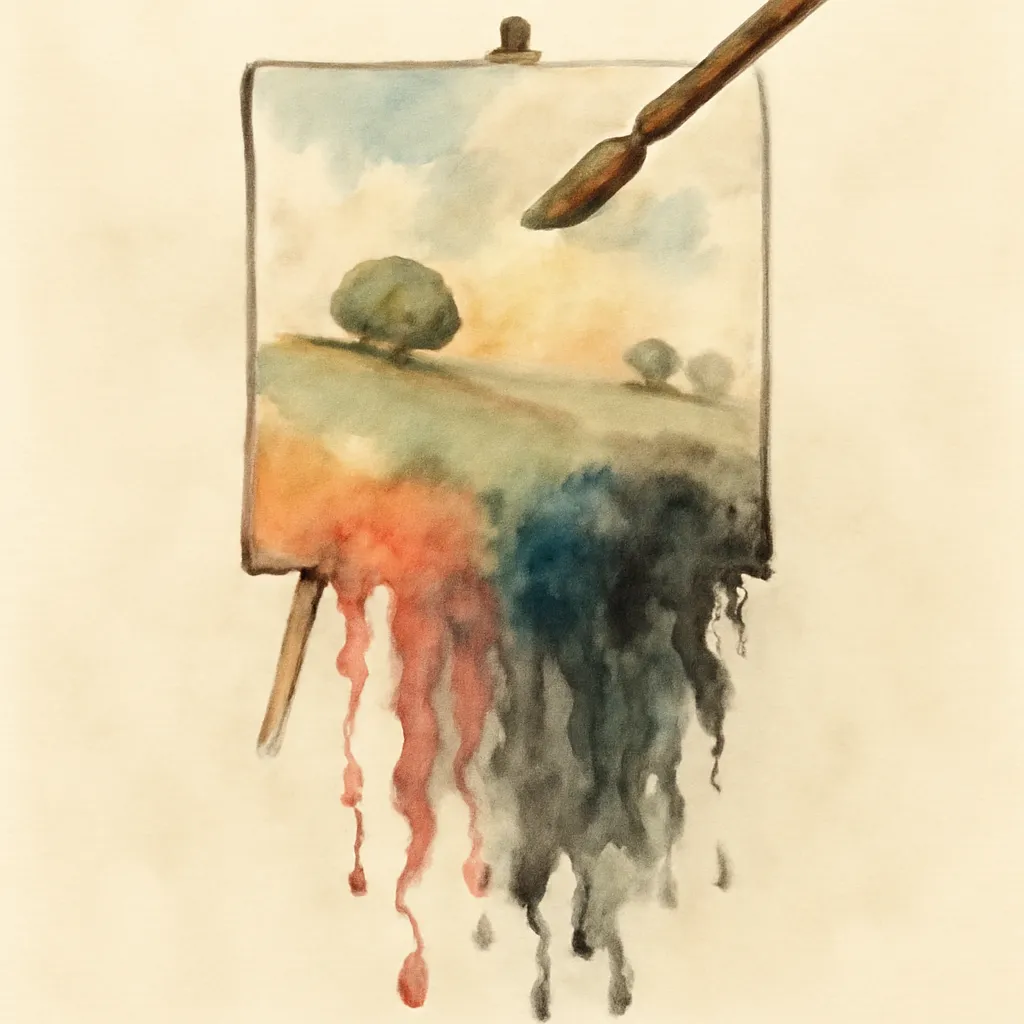
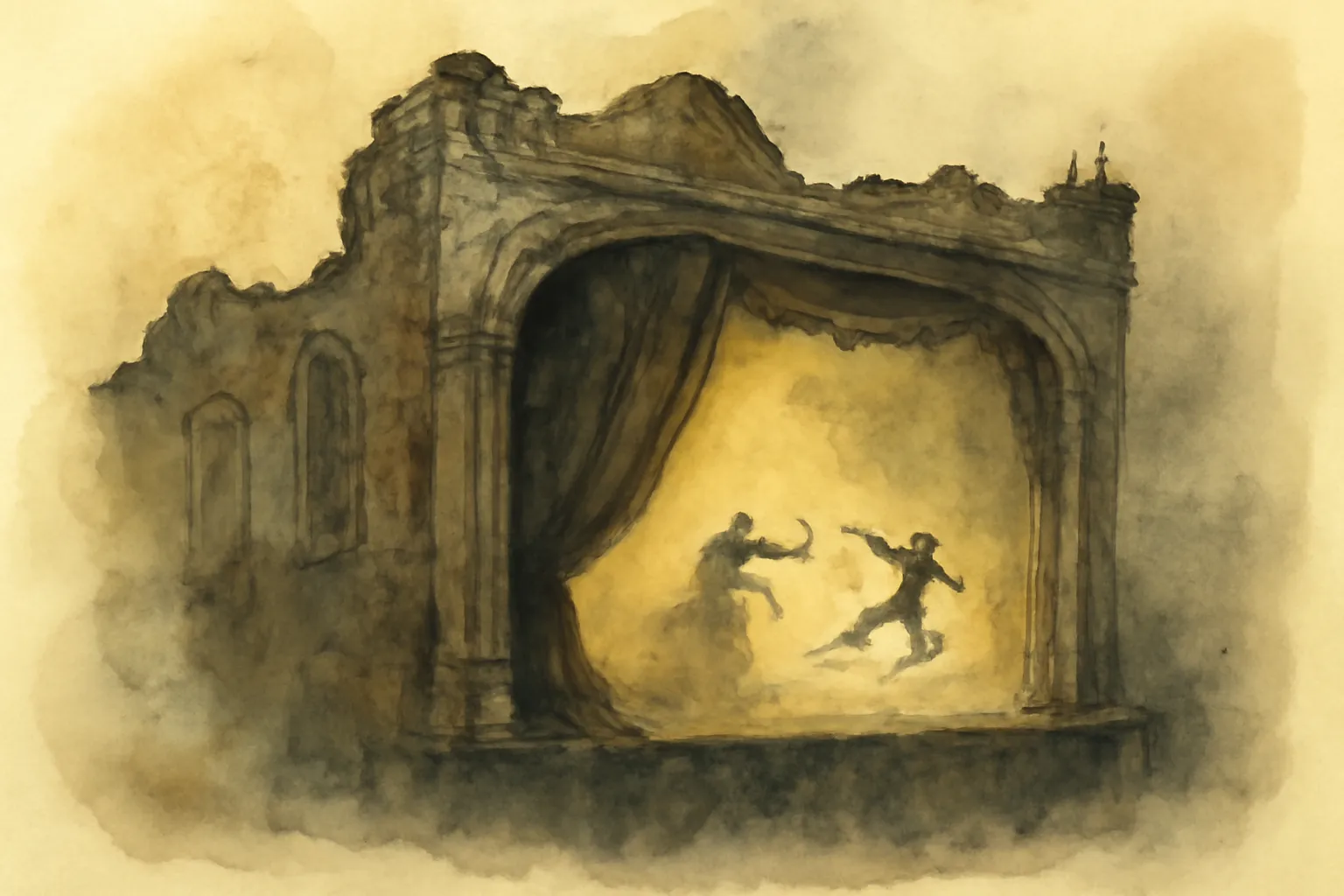
One of the central themes in 'The King in Yellow' is the powerful and often dangerous influence of art. The titular play, which is said to drive its readers mad, symbolizes the dual nature of artistic creation—capable of evoking both profound beauty and devastating horror. Characters like Mr. Wilde exemplify this tension; he is depicted as both brilliant and eccentric, navigating the fine line between artistic genius and insanity. The play serves as a metaphor for the allure of forbidden knowledge, as its seductive language and imagery pull characters into a world where reality blurs with imagination. This exploration highlights how art can inspire awe and terror simultaneously—by engaging with the play, characters confront their darkest fears and desires. For instance, Hildred Castaigne's encounters with the play manifest his ambition and subsequent downfall, illustrating how art can mirror the complexities of the human experience and reveal unsettling truths about one's psyche.
2.Madness as a Reflection of Society
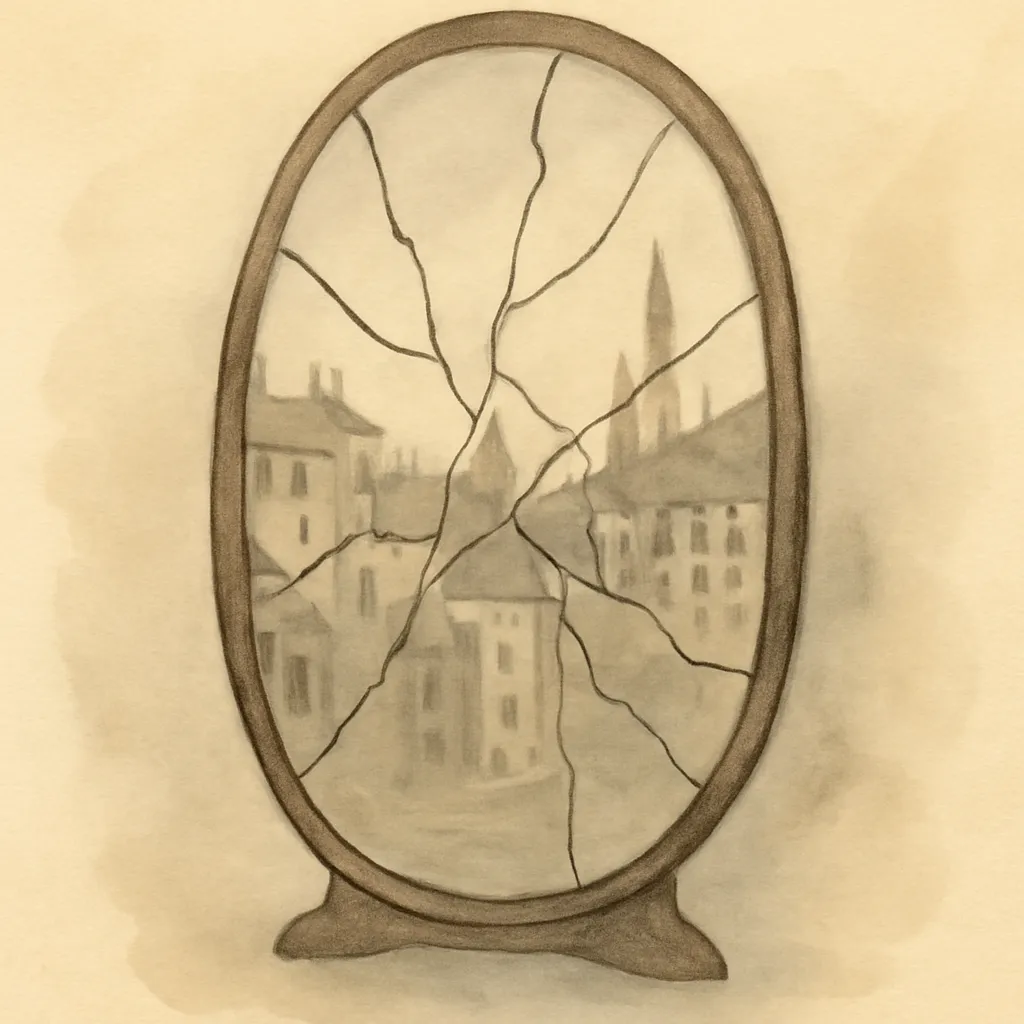
Chambers presents madness not only as an individual affliction but also as a societal condition, reflecting the disintegration of the world around the characters. Set in a post-war America, the backdrop of political upheaval and cultural shifts amplifies the characters' internal struggles. The madness induced by the play mirrors the chaos of a society grappling with its identity. For example, Hildred Castaigne embodies the conflict between ambition and the fear of losing oneself to darker impulses. His obsession with the play and its implications leads him to confront his sanity, mirroring the anxiety of a generation that feels unmoored. This commentary on societal madness resonates with contemporary readers, highlighting the timeless nature of Chambers' insights. The characters' journeys unveil how external chaos can infiltrate the mind, suggesting a collective descent into madness that parallels their personal experiences, emphasizing a shared vulnerability in the face of societal pressures.
3.The Interplay of Reality and Fantasy
The stories in 'The King in Yellow' blur the lines between reality and fantasy, prompting readers to question the nature of their perceptions. As characters engage with the play, their grip on reality weakens, leading to surreal encounters that defy explanation. This interplay is particularly evident in the character of Mr. Wilde, whose eccentricities and fascination with the macabre draw the narrator into a world where the boundaries of normalcy dissolve. The narrative structure itself, with its fragmented storytelling and shifting perspectives, mirrors the disorientation experienced by the characters. As reality begins to warp, readers are invited to immerse themselves in a dreamlike state, where the familiar becomes strange and the strange becomes familiar, challenging the reader's own sense of reality. This technique raises profound questions about the reliability of perception and the subjective nature of existence, urging readers to reflect on their interpretations of the world around them.
4.The Symbolism of the Yellow Sign
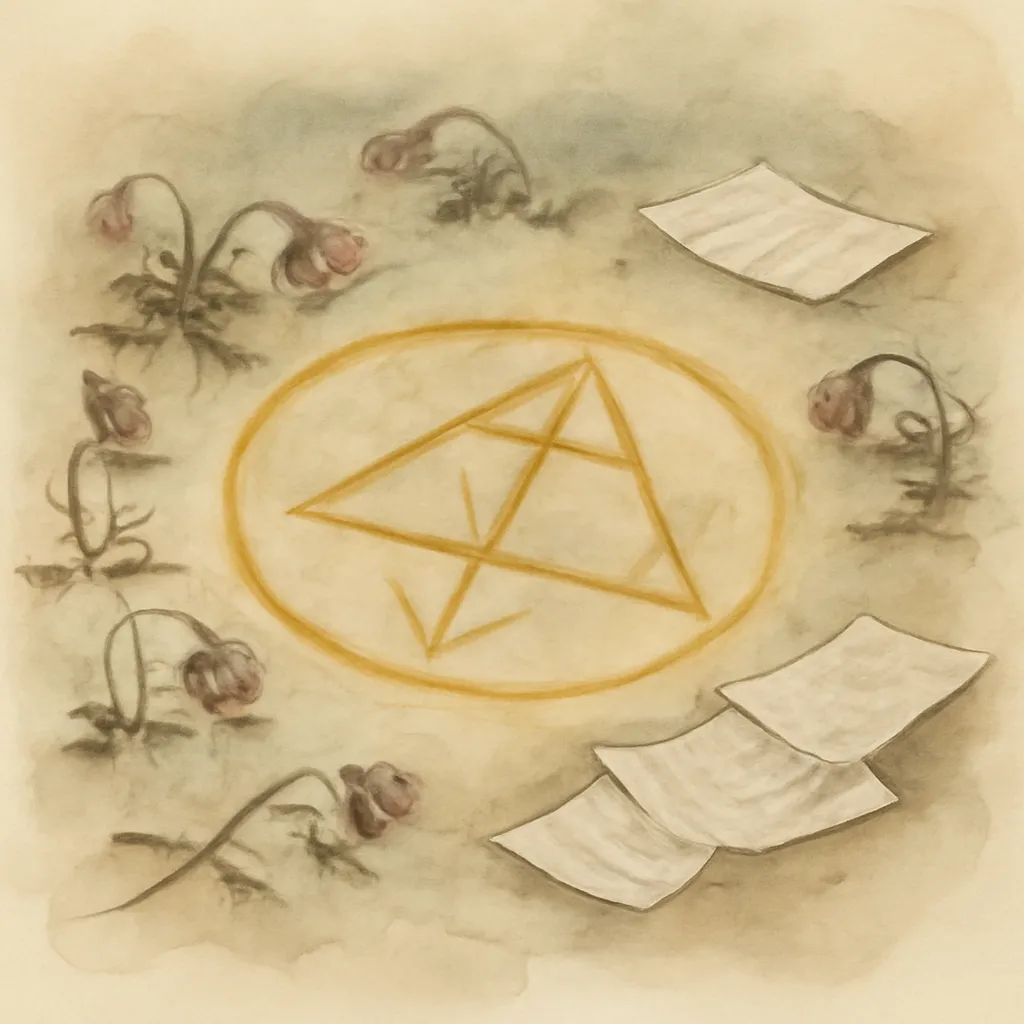
A recurring motif throughout the collection is the Yellow Sign, a symbol that embodies despair and madness. The sign serves as a harbinger of doom, marking those who encounter it as destined for insanity. Its mysterious nature invites speculation about its origins and meanings, enhancing the aura of dread surrounding the play. The Yellow Sign acts as a conduit for the characters' fears and desires, representing the darker aspects of their ambitions. For instance, when Hildred dons the golden crown, he becomes entranced by the power it symbolizes, leading him down a path of destruction. This symbolism highlights the dangers of unchecked ambition and the seductive allure of power, reminding readers of the inherent risks that accompany the pursuit of greatness. The Yellow Sign becomes a pivotal element in understanding the characters' motivations and the consequences of their choices, ultimately reflecting the deeper fears that lie at the heart of human aspiration.
5.The Fragility of Sanity
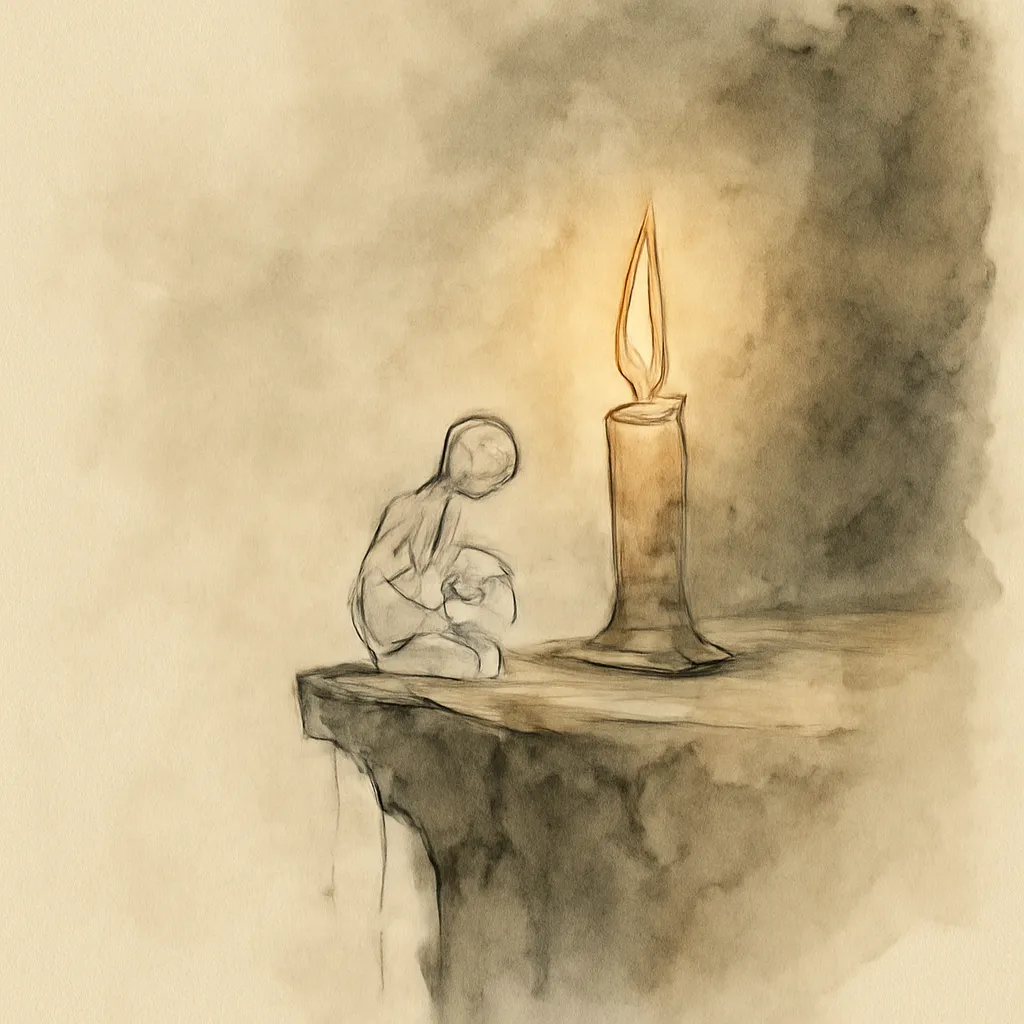
Chambers illustrates the fragility of sanity through the internal struggles of his characters, who are often teetering on the brink of madness. The psychological depth of characters like Hildred and Mr. Wilde reveals the complexities of the human mind, particularly when confronted with the unknown. As Hildred grapples with his ambition and the haunting presence of the King in Yellow, his mental state deteriorates, showcasing how easily one's grasp on reality can slip away. The narrative suggests that sanity is not a fixed state but rather a delicate balance that can be disrupted by external influences and internal conflicts. This exploration resonates with readers, prompting reflection on their vulnerabilities and the societal pressures that can exacerbate feelings of isolation and despair. The careful delineation of Hildred's mental decline serves as a cautionary tale about the consequences of unchecked ambition and the dangers of delving too deep into one’s obsessions.
6.Obsession and Its Consequences
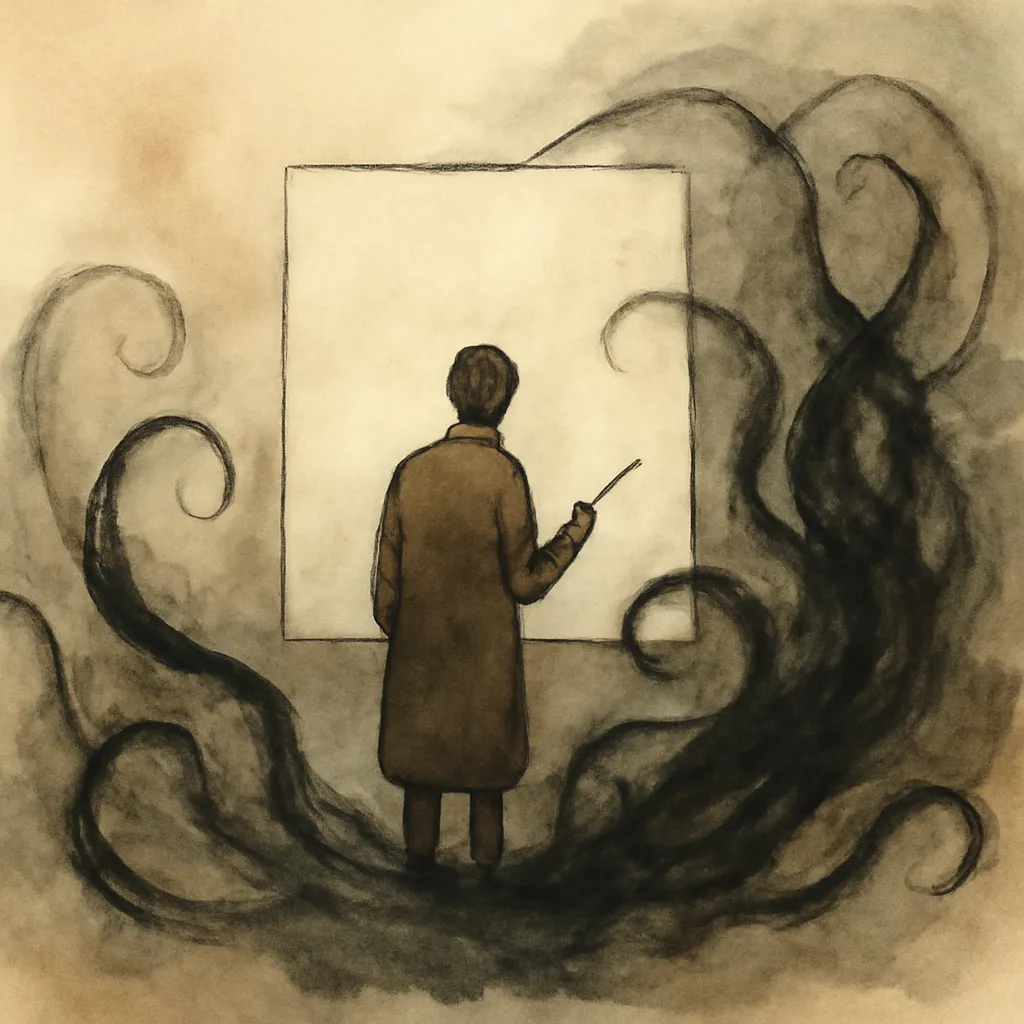
Obsession emerges as a driving force in 'The King in Yellow,' propelling characters toward their inevitable downfalls. Hildred's fixation on the play and its implications leads him to forsake meaningful connections and embrace a solitary existence consumed by his desires. This obsessive pursuit reflects a broader commentary on the nature of ambition and the sacrifices individuals make in its name. The character of Mr. Wilde, with his eccentricities and obsession with the cat, further illustrates the destructive potential of fixation. His relationship with the animal becomes a manifestation of his inner turmoil, blurring the lines between affection and madness. Chambers warns against the dangers of obsession, suggesting that the pursuit of singular passions can lead to isolation, despair, and ultimately, self-destruction. The consequences of their obsessions serve as a stark reminder of the costs associated with unrelenting ambition and the fragility of human relationships.
7.The Role of the Artist in Society
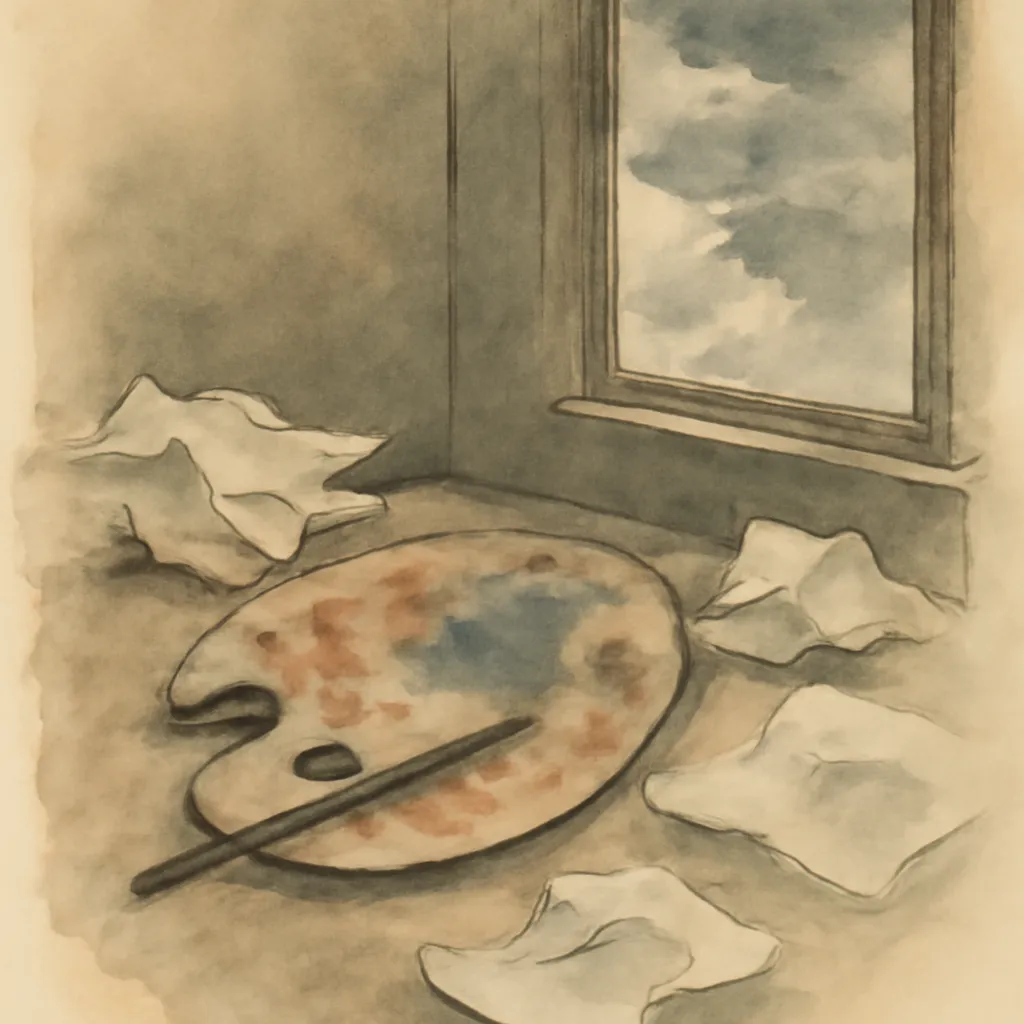
Chambers raises profound questions about the role of the artist within society, particularly in times of turmoil and change. Characters like Hildred and Mr. Wilde grapple with their identities as creators, navigating the tension between their artistic ambitions and societal expectations. The narrative suggests that the artist occupies a unique space, straddling the line between genius and madness, with the potential to influence society profoundly. However, this influence comes at a cost, as the artist often finds themselves alienated from mainstream culture. The stories reflect a sense of disillusionment with societal norms, urging artists to confront the darker aspects of existence through their work. The artist's struggle becomes emblematic of the broader societal conflict, highlighting the challenges of remaining authentic in a world that often values conformity over individuality. This exploration invites readers to consider the responsibilities of artists in shaping cultural narratives and their impact on collective consciousness.
8.The Allure of the Unknown
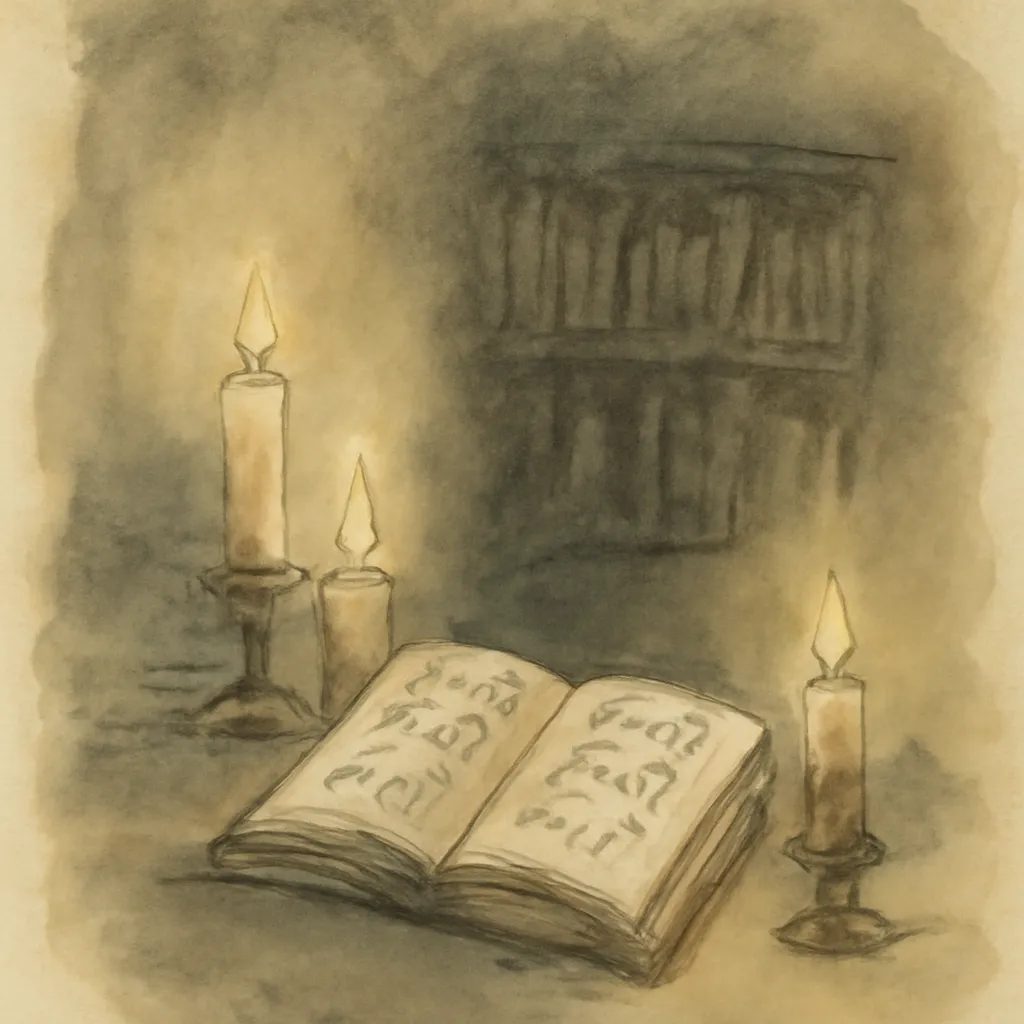
The mysterious allure of the unknown permeates 'The King in Yellow,' drawing characters into a web of intrigue and dread. The play itself, with its cryptic language and haunting themes, represents the seductive nature of forbidden knowledge, enticing characters to explore its depths despite the risks involved. Hildred's journey into the world of the King in Yellow exemplifies this allure, as he becomes increasingly captivated by the play's dark promises. Chambers suggests that the unknown holds both beauty and terror, reflecting the duality of human experience. This theme resonates with readers, encouraging them to confront their own curiosities and fears regarding the mysteries that lie beyond the veil of understanding. The narrative ultimately serves as a cautionary tale about the dangers of delving too deeply into the unknown, reminding us that some truths may be better left undiscovered. The allure of the unknown invites contemplation about the balance between exploration and self-preservation in the pursuit of knowledge.
9.Existential Questions and the Nature of Reality
Chambers invites readers to grapple with existential questions regarding the nature of reality and the human condition. The fragmented storytelling and surreal encounters challenge conventional notions of existence, prompting characters and readers alike to question what is real and what is illusion. The play, as a central motif, serves as a catalyst for these reflections, revealing the characters' struggles with identity, purpose, and the meaning of life. Through Hildred's descent into madness, the narrative poses profound inquiries about the nature of ambition, the pursuit of meaning, and the consequences of one's choices. This exploration of existential themes resonates with contemporary philosophical discourse, encouraging readers to confront their own beliefs and assumptions about reality and existence. The narrative's insistence on questioning the nature of truth and perception pushes readers to consider the complexities of their own lives and the narratives they construct.