1.The Crisis of Identity

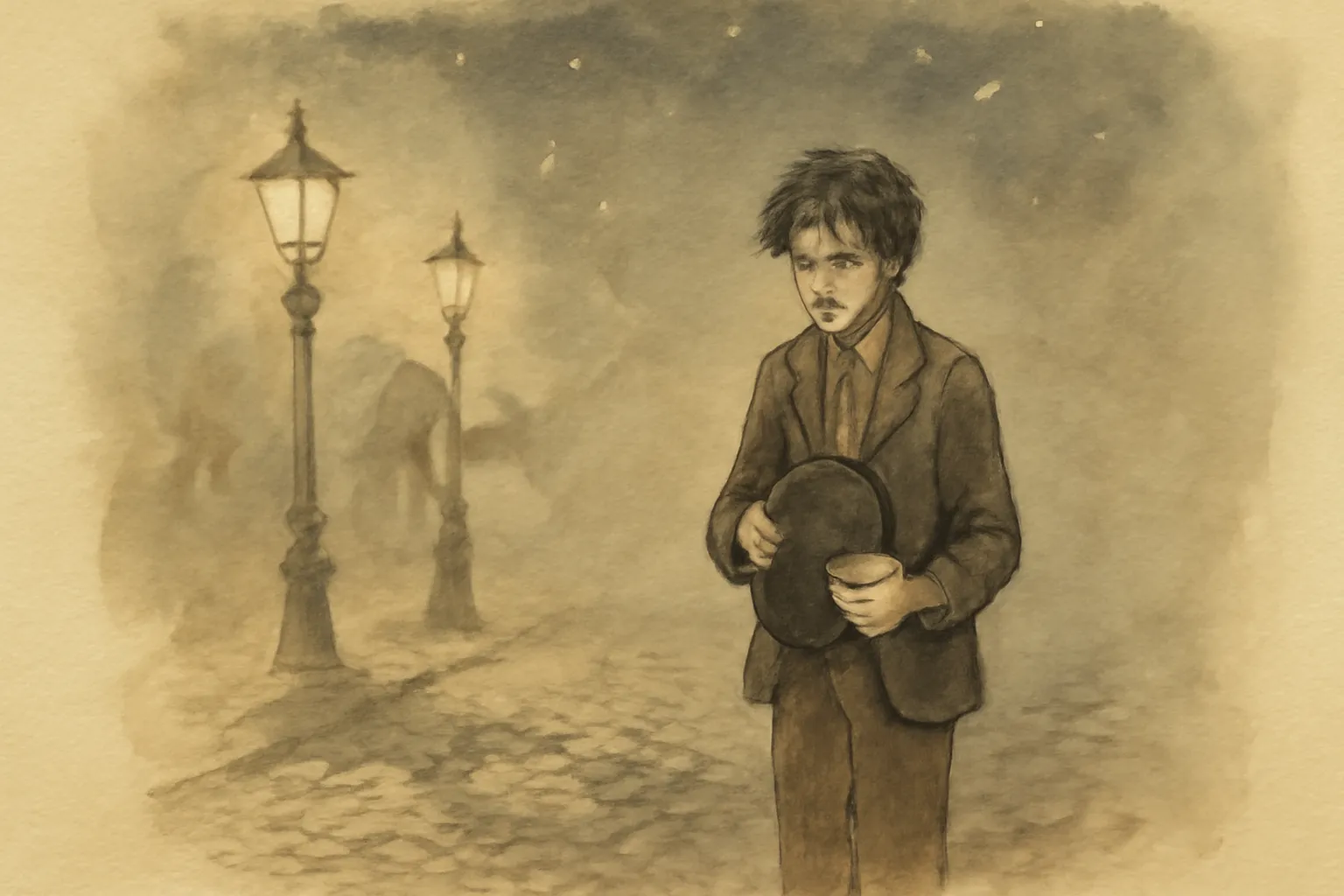
The protagonist of 'The Green Mouse' faces an existential crisis after the collapse of his family's wealth. Having been raised in privilege, he is utterly unprepared for the harsh realities of life without financial security. His education, while prestigious, has not equipped him with the skills necessary for self-sufficiency. As he embarks on a quest for employment, he realizes he must confront his own identity and worth beyond inherited status. This crisis prompts deep self-reflection, leading him to question not just his capabilities but also the very meaning of his existence in a world that suddenly seems indifferent to his past. The narrative captures this journey of self-discovery as he grapples with the notion of being 'useless' and the societal pressures that dictate one’s value based on wealth and position. This theme resonates deeply in a society that often equates worth with material success, compelling readers to reflect on their own perceptions of identity.
2.Societal Expectations and Isolation

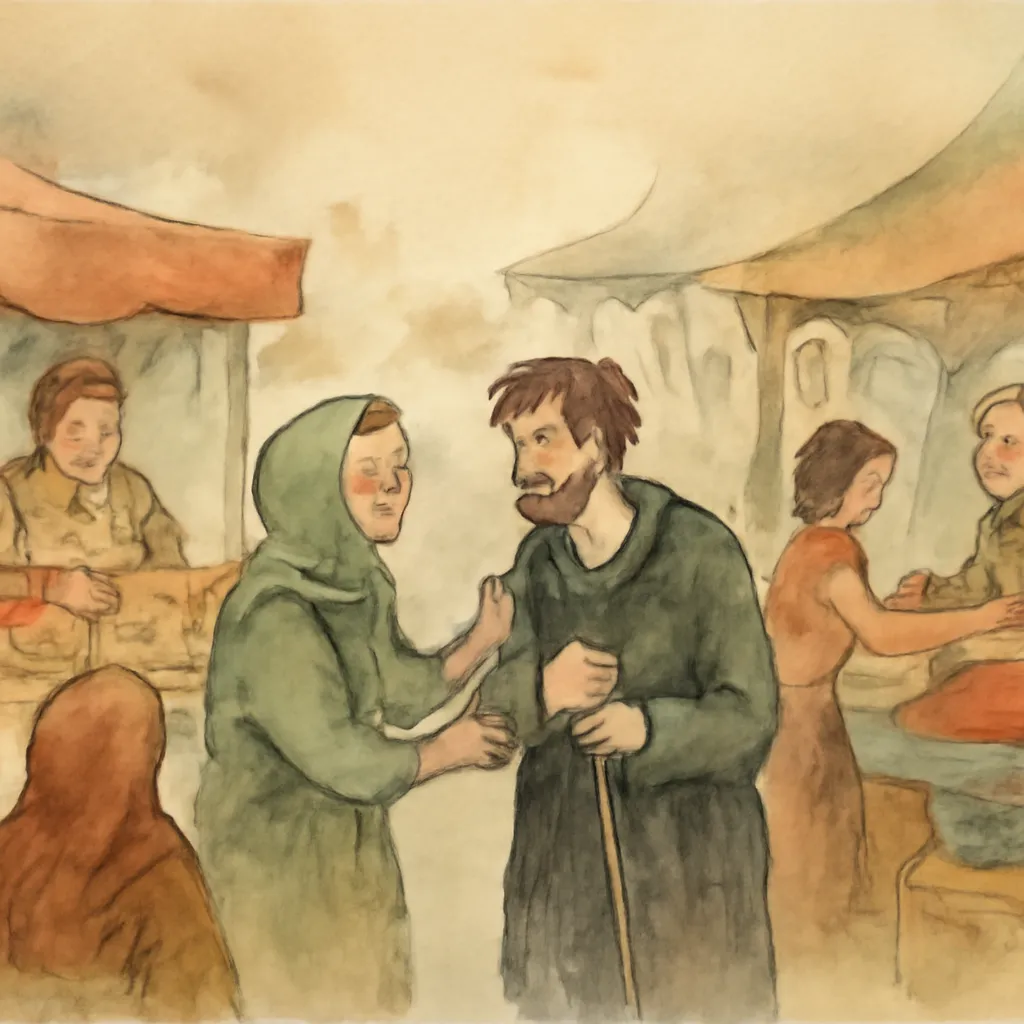
The young man’s attempts to solicit help from former acquaintances reveal the isolating nature of societal expectations. Once a part of the elite, he now finds himself ostracized, as those who once revered his family distance themselves, fearing association with someone who has 'gone to smash.' This experience highlights the fear inherent in social hierarchies, where the affluent are often wary of the 'underfed' reaching out for assistance. His realization that he cannot rely on anyone from his past serves as a poignant commentary on how quickly social ties can dissolve in the face of financial ruin. This theme of isolation is further emphasized by his decision to turn to strangers in the business world, illustrating the harsh realities of a society that values wealth over personal connections. The narrative poignantly illustrates the protagonist’s struggles against loneliness, emphasizing his need for genuine relationships in a world that has turned its back on him.
3.The Art of Performance and Survival
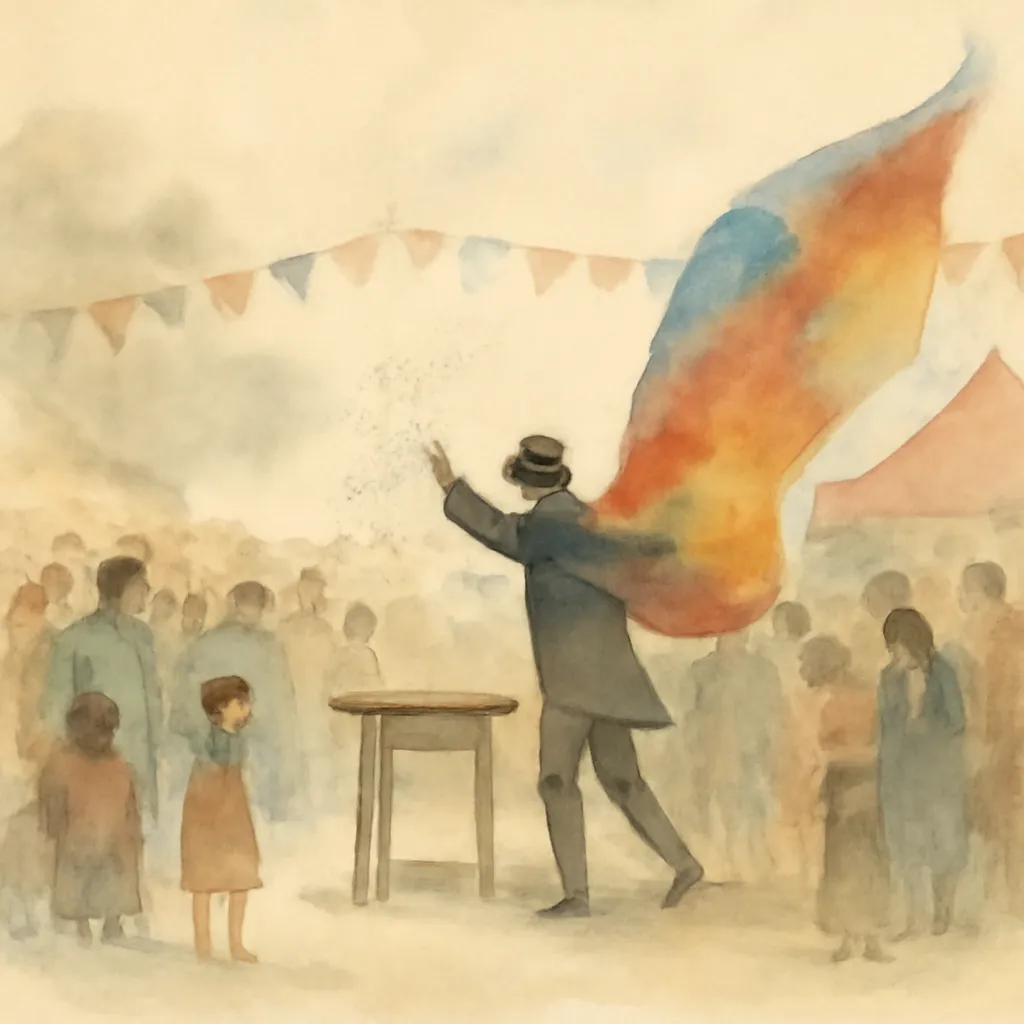
In a desperate bid to make a living, the protagonist turns to his talent for magic and performance. This transition from a life of privilege to one of showmanship illustrates his adaptability and resourcefulness. His skills, once seen merely as frivolous entertainment, become his lifeline as he attempts to navigate the challenges of his new reality. The magic he performs is not just a means of earning a living; it becomes a metaphor for his struggle to regain control over his life. Through the lens of performance, Chambers explores the idea that art can be a powerful tool for transformation and survival, allowing individuals to redefine their identities and reclaim agency in the face of adversity. Each performance serves as a reminder of his past and a glimpse into the potential for his future, blending the boundaries between reality and illusion.
4.The Enigmatic Green Mouse
The titular green mouse symbolizes the whimsical and unpredictable nature of fate that permeates the story. When the girl in the narrative inquires about the existence of a pea-green mouse, it sets off a series of events that intertwine the lives of the main characters. This curious motif serves as a reminder of how small, seemingly insignificant occurrences can lead to profound changes in one’s life. The green mouse becomes a metaphor for the unexpected twists of fate that can alter the course of destiny, prompting readers to reflect on the role of chance in their own lives. It encapsulates the idea that while we may strive for control, the universe often has its own plans, revealing the delicate balance between ambition and serendipity. Chambers masterfully evokes the sense of whimsy and wonder that accompanies life’s unpredictable nature, inviting readers to embrace the unknown.
5.The Power of Connection
As the protagonist navigates his new life, he encounters a diverse cast of characters, each representing different facets of society. His interactions, particularly with the young girl who seeks his magical talents, highlight the importance of connection in overcoming isolation and despair. Their relationship evolves from mere acquaintance to a deeper bond, illustrating the human need for companionship and understanding. Chambers emphasizes that in times of crisis, it is often the connections we forge with others that provide the strength and support needed to persevere. This theme resonates throughout the narrative, suggesting that love and friendship can emerge even in the most unlikely circumstances, serving as a beacon of hope amid chaos. The character development throughout these interactions reveals the transformative power of relationships in shaping one’s identity and outlook on life.
6.Magic as a Metaphor for Transformation
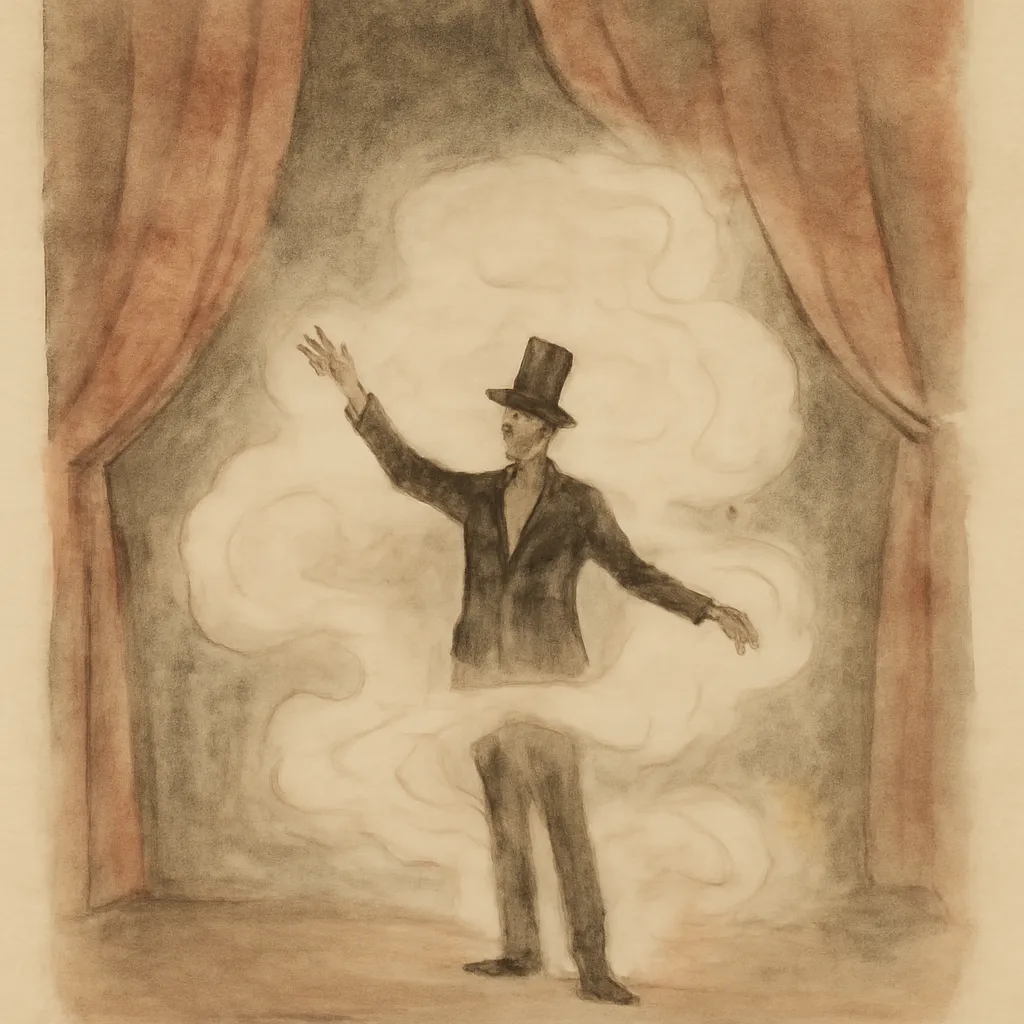
The protagonist's performances serve not only as entertainment but also as a means of personal transformation. Through magic, he is able to transcend his current circumstances, if only temporarily, allowing him to escape the harsh realities of life. The illusions he creates become symbolic of his desire to reclaim his identity and agency in a world that has stripped him of both. Chambers uses magic as a metaphor for the transformative power of art, suggesting that creativity can provide an avenue for individuals to reinvent themselves and navigate the complexities of their existence. This theme underscores the idea that while life may often feel like a series of illusions, it is through our creativity and imagination that we can find meaning and purpose. The protagonist’s journey reminds readers that art can heal, inspire, and lead to profound personal change, reinforcing its significance in the human experience.
7.Romance as a Catalyst for Change
The budding romance between the protagonist and the young girl is central to the narrative, acting as a catalyst for both characters' growth. Their relationship evolves in a setting filled with magic and wonder, showcasing how love can inspire individuals to confront their fears and embrace change. As they share moments of enchantment, the protagonist begins to rediscover his sense of self-worth and purpose. This romantic connection serves as a reminder that love has the power to transform lives, encouraging characters to break free from the constraints of their past. Chambers deftly illustrates how romance can illuminate the path forward, pushing individuals to embrace their true potential and pursue their dreams. The dynamics of their relationship reflect broader themes of vulnerability, trust, and the courage to love amid adversity, resonating deeply with readers.
8.The Intersection of Science and the Supernatural
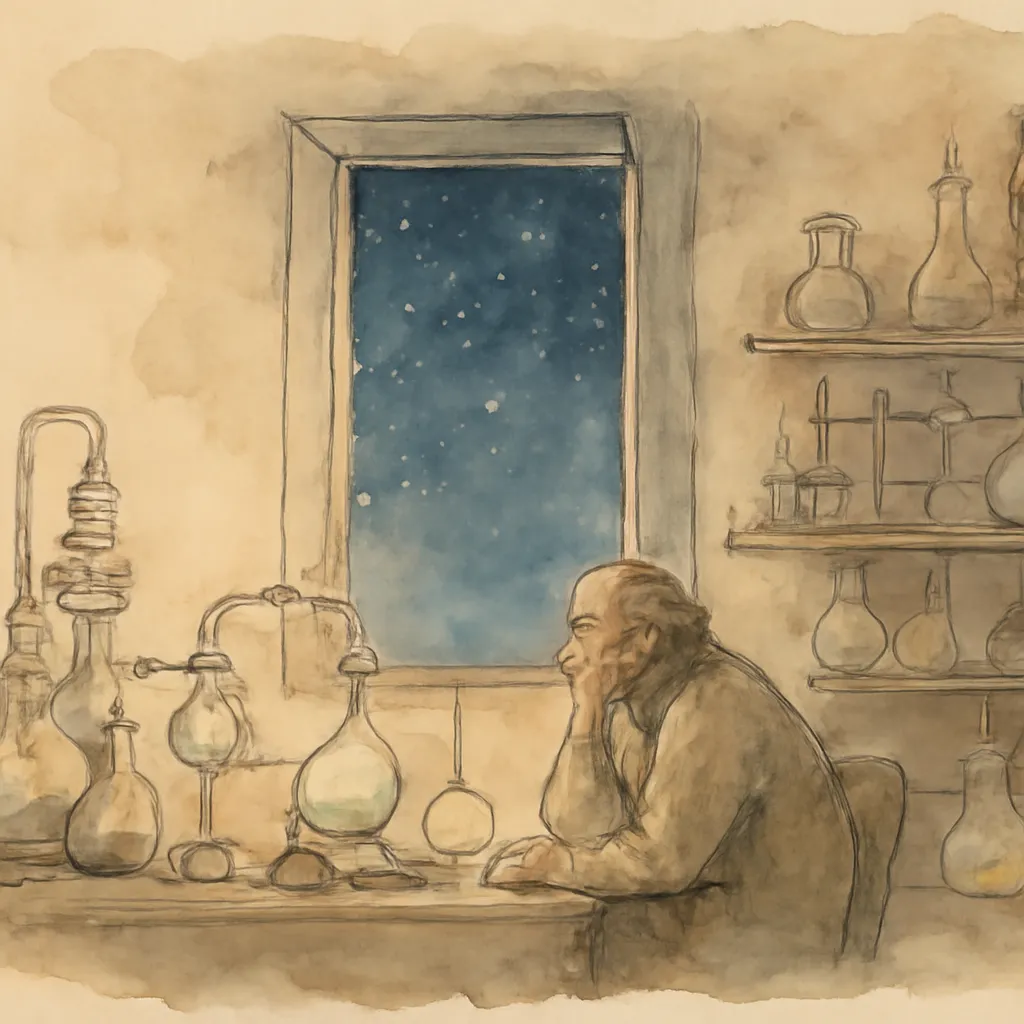
Chambers intricately weaves elements of science and the supernatural throughout the narrative, particularly through the character of William Augustus Destyn and his psychical experiments. The idea that individuals can be connected through unseen forces adds a layer of complexity to the story, blurring the lines between reality and the mystical. This intersection raises questions about the nature of love and destiny, suggesting that there may be deeper forces at play in our connections with others. The narrative challenges the reader to consider the relationship between science and the supernatural, inviting exploration into the mysteries of human experience. Chambers presents a world where scientific inquiry and emotional truth coexist, creating a rich tapestry of ideas that resonate with the complexities of life. The blending of these themes invites readers to reflect on the nature of human connection and the unseen currents that shape our lives.
9.Cultural Commentary on Marriage and Relationships

The societal obsession with marriage and romantic connections is a recurring theme in 'The Green Mouse,' particularly illustrated through the establishment of The Green Mouse, Limited. This venture reflects the cultural pressures surrounding love and marriage during the time, suggesting that societal norms often dictate personal choices. The absurdity of the business model—promising to find one’s perfect match through psychical currents—serves as a satirical commentary on the commercialization of love. Chambers critiques the idea that relationships can be reduced to mere transactions, emphasizing the importance of genuine connection and emotional depth. This commentary invites readers to reflect on contemporary attitudes toward love and marriage, encouraging a reevaluation of what it means to truly connect with another person. The narrative serves as a reminder that while society may impose its ideals, the most profound relationships often transcend conventional expectations.
10.The Role of Fate and Free Will
Throughout the narrative, the tension between fate and free will emerges as a central theme. Characters grapple with the idea that their lives may be influenced by forces beyond their control, raising questions about the nature of destiny. The protagonist's journey illustrates the struggle to assert agency in a world that often feels predetermined. Chambers suggests that while individuals may face obstacles and challenges, it is ultimately their choices and actions that shape their paths. This exploration of fate versus free will invites readers to consider their own lives, pondering the extent to which they can influence their destinies. The narrative ultimately champions the idea that while fate may play a role, it is the choices we make that define our journeys. By portraying characters who navigate life's uncertainties, Chambers encourages readers to embrace their agency and take charge of their destinies.