brothels · Canadian authors · Canadian fantasy fiction
The Handmaid's Tale by Margaret Atwood — Summary, Key Ideas & Quotes
1985352 pages✦ 3-min Big ideas★ 4.0 (131)
Rate it
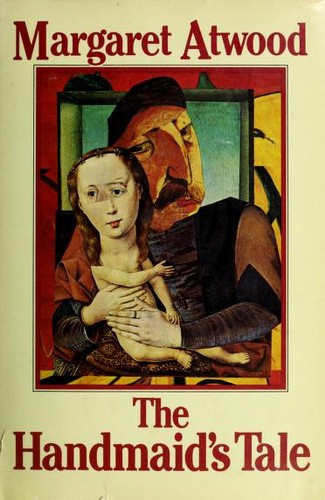
The Handmaid's Tale is a dystopian novel by Canadian author Margaret Atwood, published in 1985. It is set in a near-future New England, in a strongly patriarchal, totalitarian theonomic state, known as the Republic of Gilead, which has overthrown the United States government. The central character and narrator is a woman named Offred, one of the group known as "handmaids", who are forcibly assigned to produce children for the "commanders" — the ruling class of men in Gilead. The novel explores themes of subjugated women in a patriarchal society, loss of female agency and individuality, and the various means by which they resist and attempt to gain individuality and independence. The Handmaid's Tale won the 1985 Governor General's Award and the first Arthur C. Clarke Award in 1987; it was also nominated for the 1986 Nebula Award, the 1986 Booker Prize, and the 1987 Prometheus Award.
Also contained in: Novels
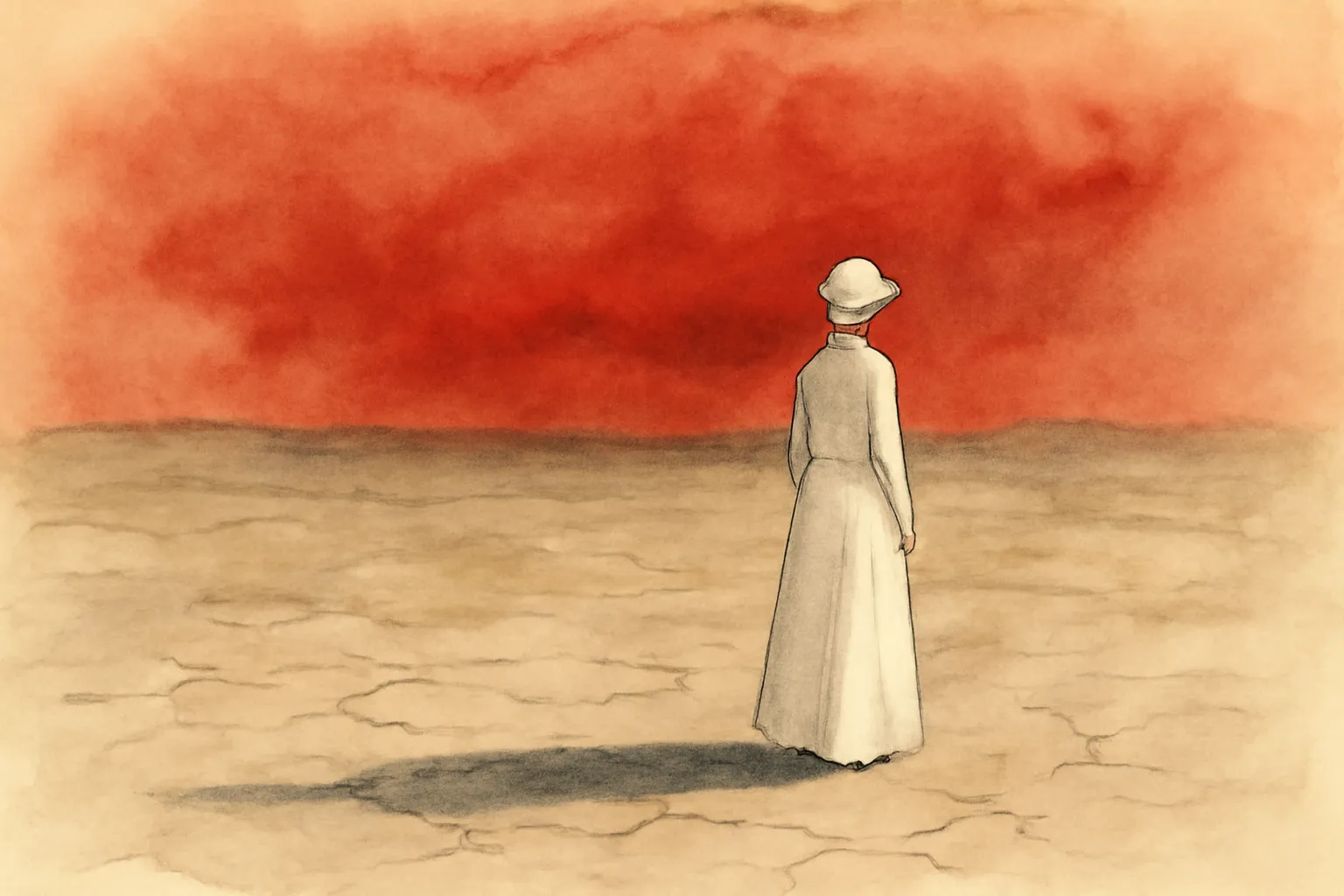
Atwood constructs Gilead as a theocratic regime where women are systematically oppressed, their roles strictly limited and their bodies controlled for reproduction. The state justifies this by invoking religious doctrine, showing how ideology can be weaponized to legitimize subjugation. The novel explores the mechanisms—rituals, surveillance, language—that enforce compliance, making readers question how power structures operate in their own societies.
Offred and other women in Gilead are stripped of their names, histories, and choices, reduced to their reproductive function. Atwood uses this erasure to highlight the psychological toll of oppression and the importance of personal agency. The narrative voice, at once intimate and detached, conveys Offred’s struggle to retain a sense of self amid dehumanizing conditions.
“Nolite te bastardes carborundorum.”
“Better never means better for everyone... It always means worse, for some.”
“Ignoring isn’t the same as ignorance, you have to work at it.”