1.Patriarchy and Control
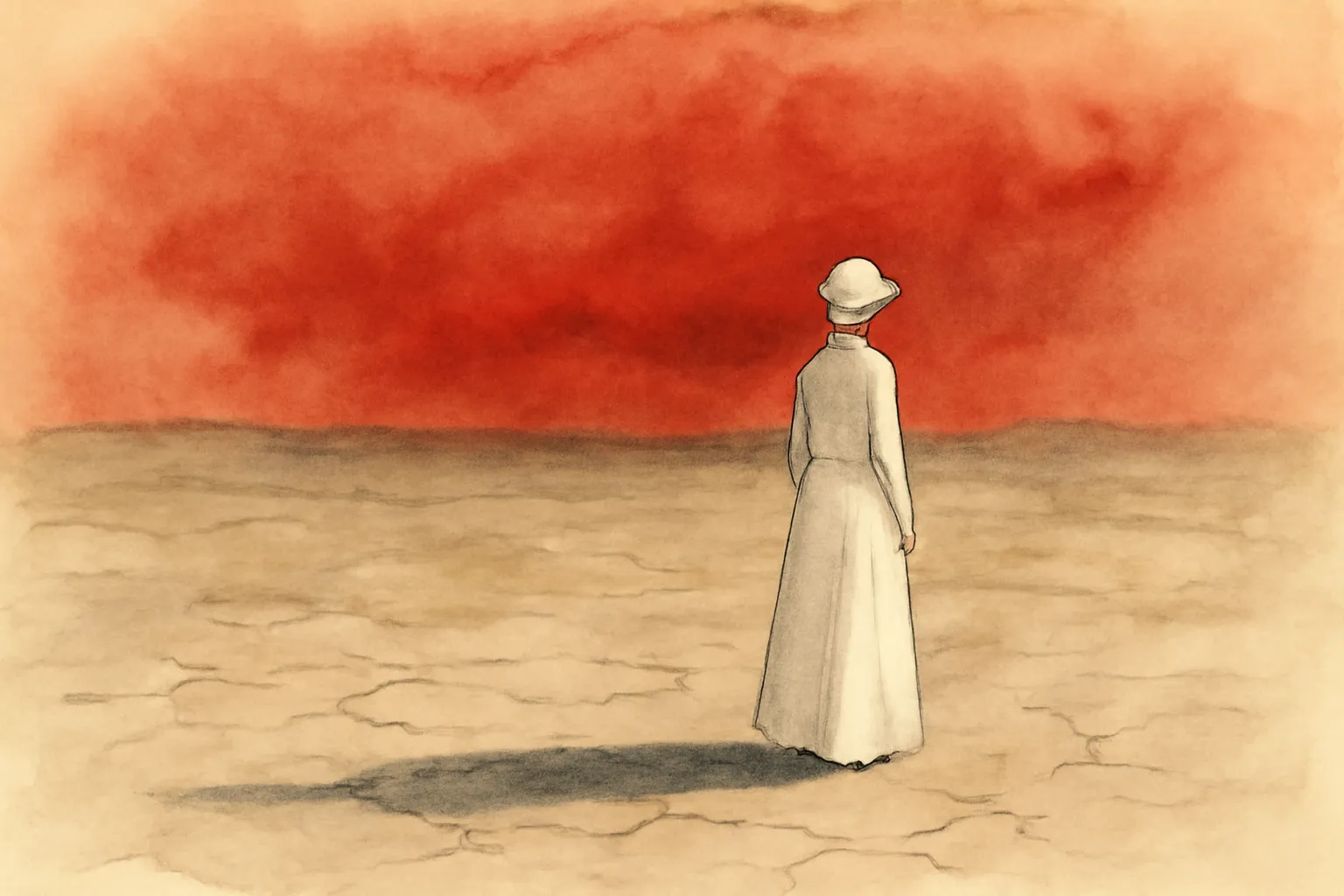
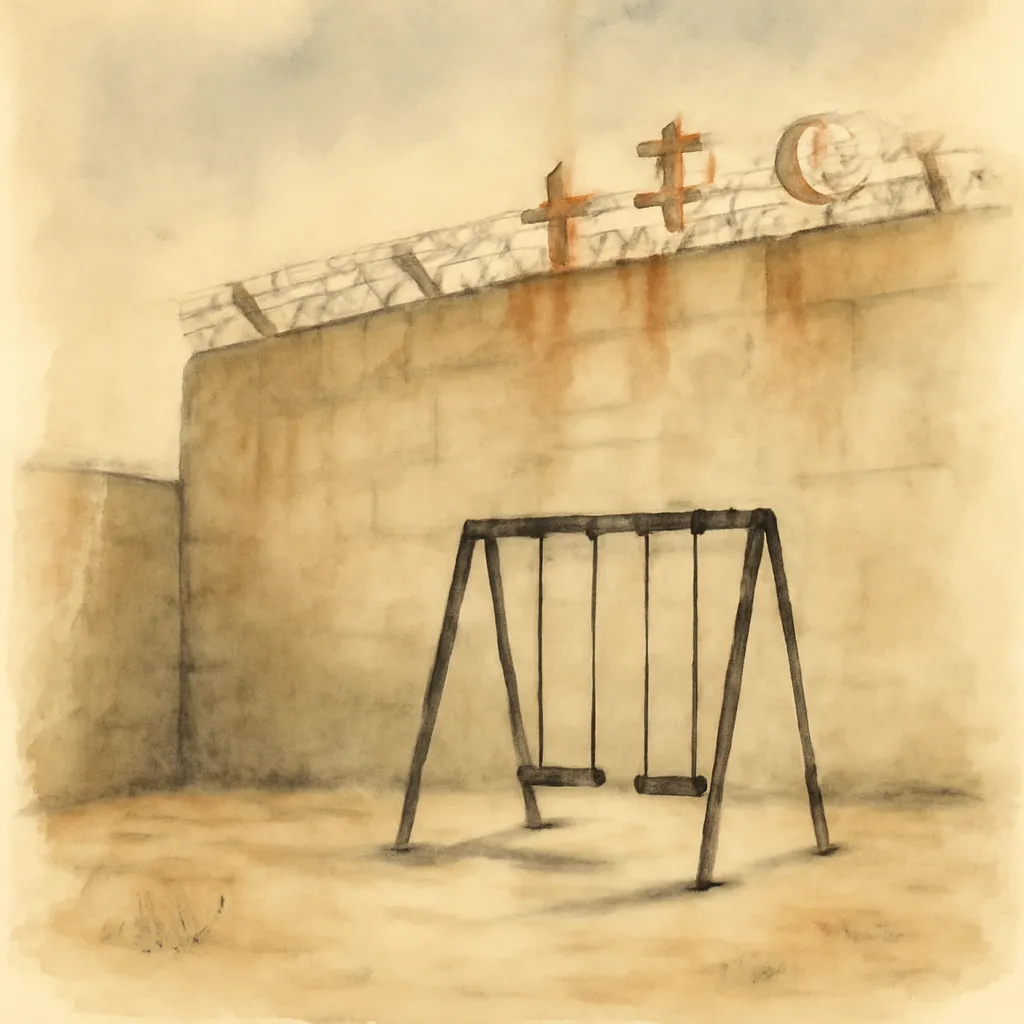
Atwood constructs Gilead as a theocratic regime where women are systematically oppressed, their roles strictly limited and their bodies controlled for reproduction. The state justifies this by invoking religious doctrine, showing how ideology can be weaponized to legitimize subjugation. The novel explores the mechanisms—rituals, surveillance, language—that enforce compliance, making readers question how power structures operate in their own societies.
2.Loss of Identity and Agency
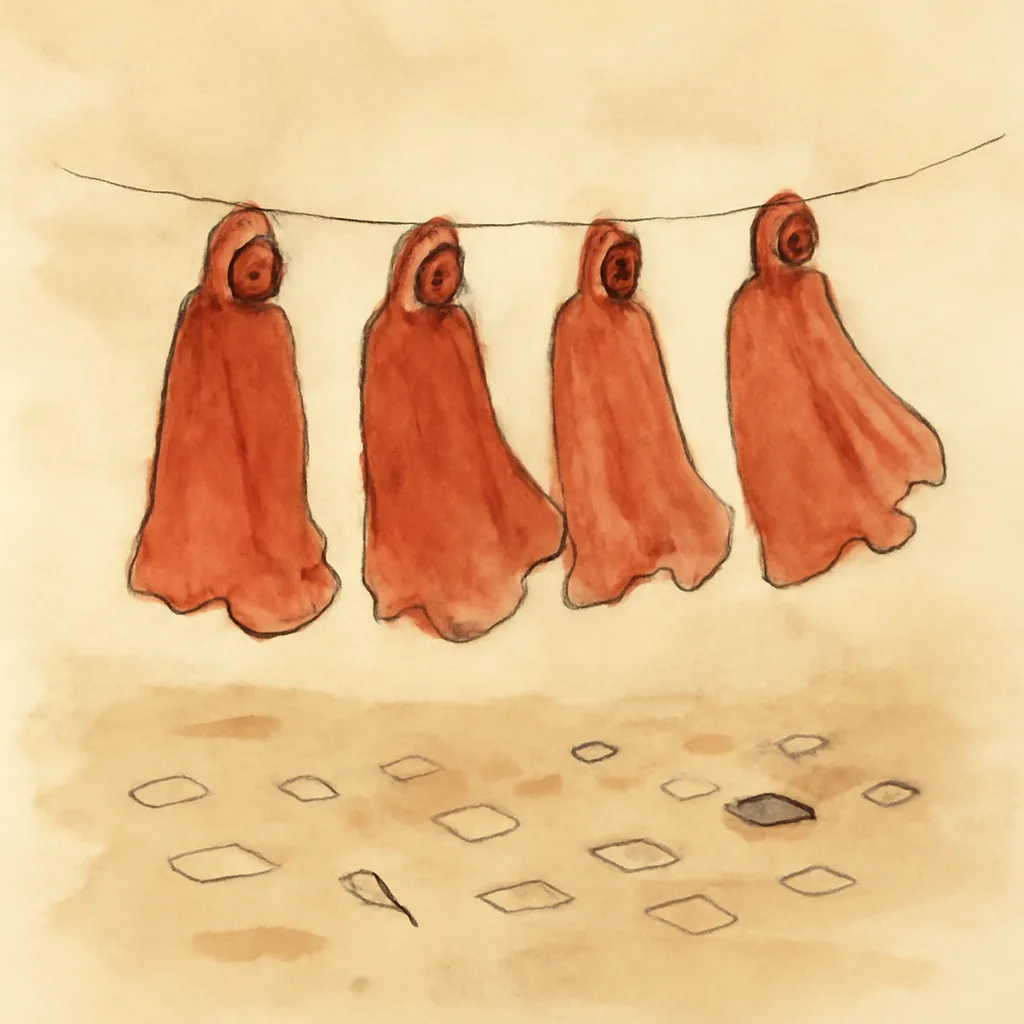
Offred and other women in Gilead are stripped of their names, histories, and choices, reduced to their reproductive function. Atwood uses this erasure to highlight the psychological toll of oppression and the importance of personal agency. The narrative voice, at once intimate and detached, conveys Offred’s struggle to retain a sense of self amid dehumanizing conditions.
3.Resistance and Survival
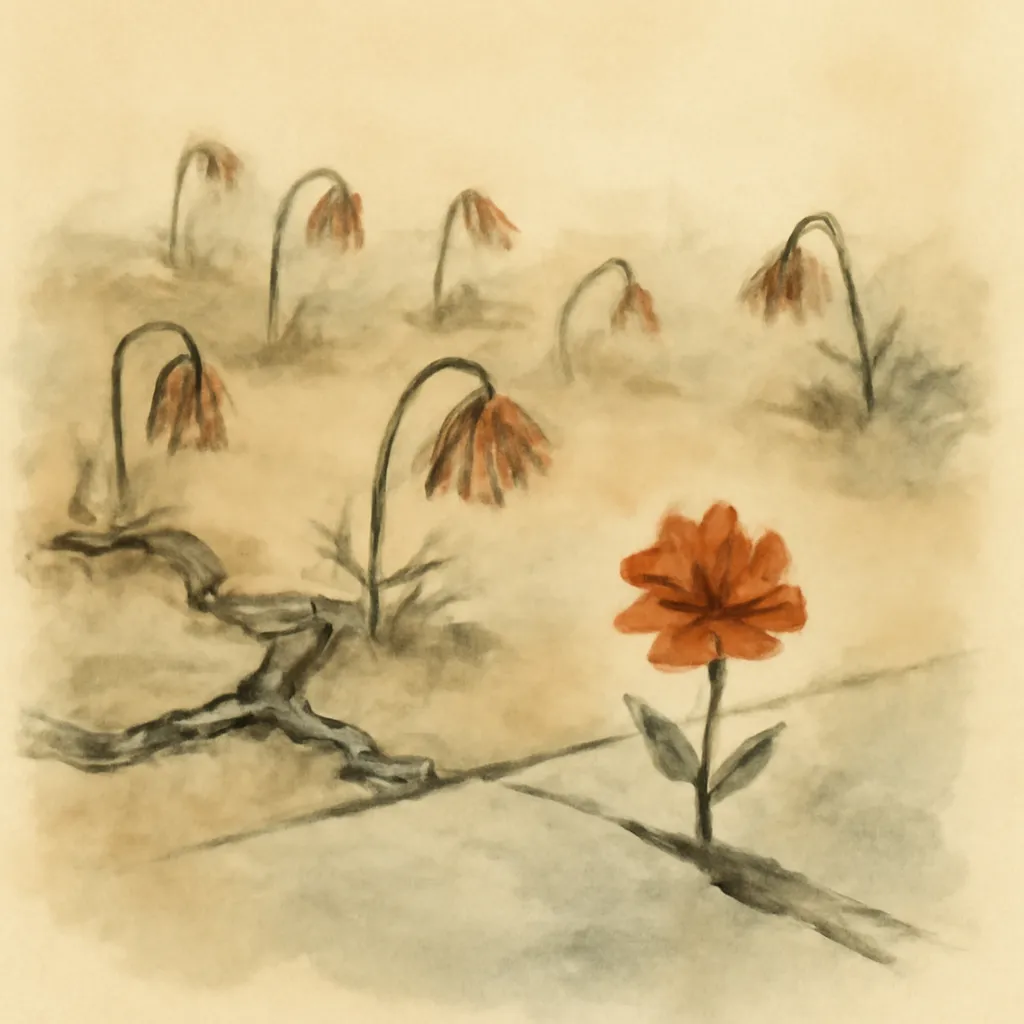
Despite the overwhelming control exerted by Gilead, acts of resistance—both small and large—persist. These range from whispered conversations and stolen moments of pleasure to more organized subversion. The novel suggests that even in the darkest circumstances, individuals find ways to assert their humanity and resist totalitarianism, though not without risk or compromise.
4.Language as Power
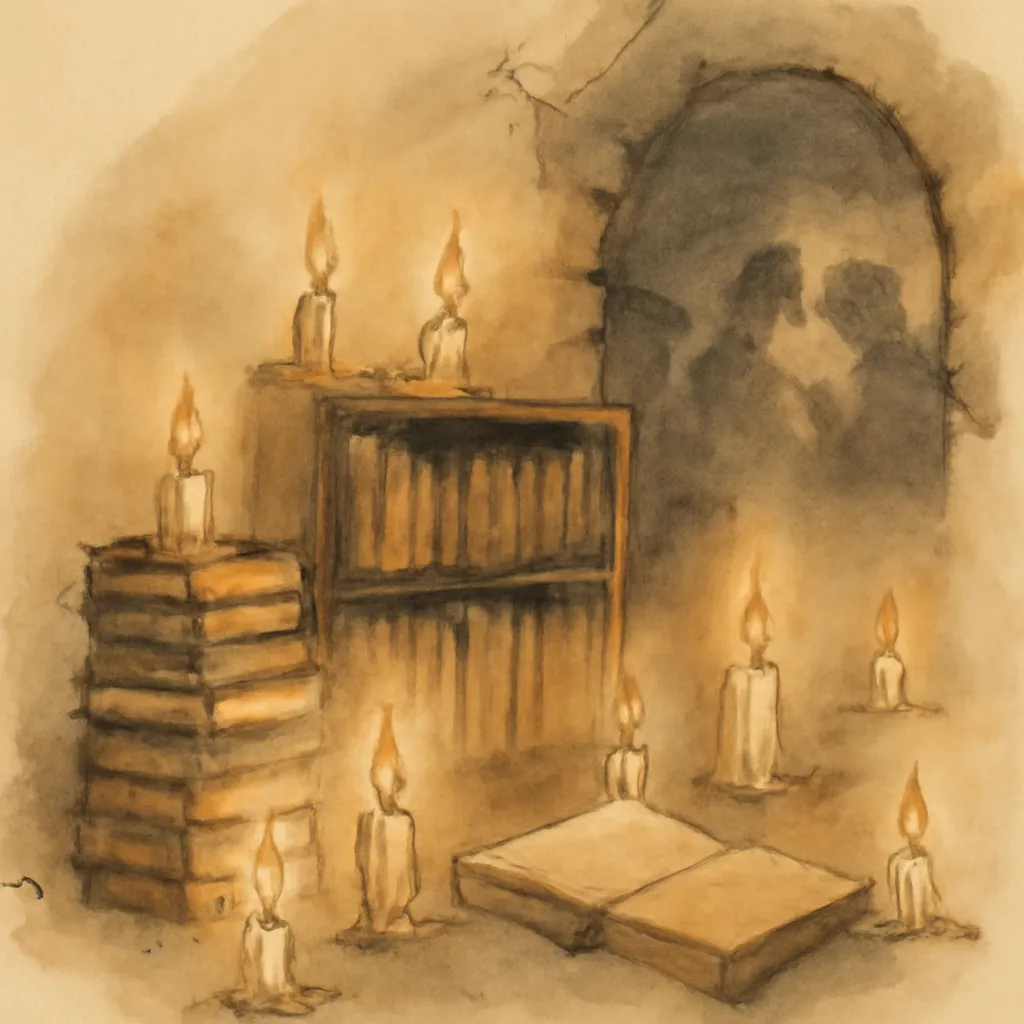
Atwood pays close attention to the manipulation of language in Gilead, where words are repurposed to enforce ideology and limit thought. Ritualized greetings, forbidden reading, and the rewriting of scripture all serve to constrain the imagination and reinforce control. The novel itself, as Offred’s secret testimony, becomes an act of reclaiming narrative power.
5.Fertility and Female Bodies
The crisis of infertility in Gilead turns women’s bodies into state property, valued only for their reproductive capacity. The Handmaids’ experiences expose the dangers of reducing people to biological functions, and the violence inherent in treating fertility as a commodity. Atwood interrogates the intersections of gender, biology, and autonomy in a chillingly plausible way.
6.Memory and Storytelling
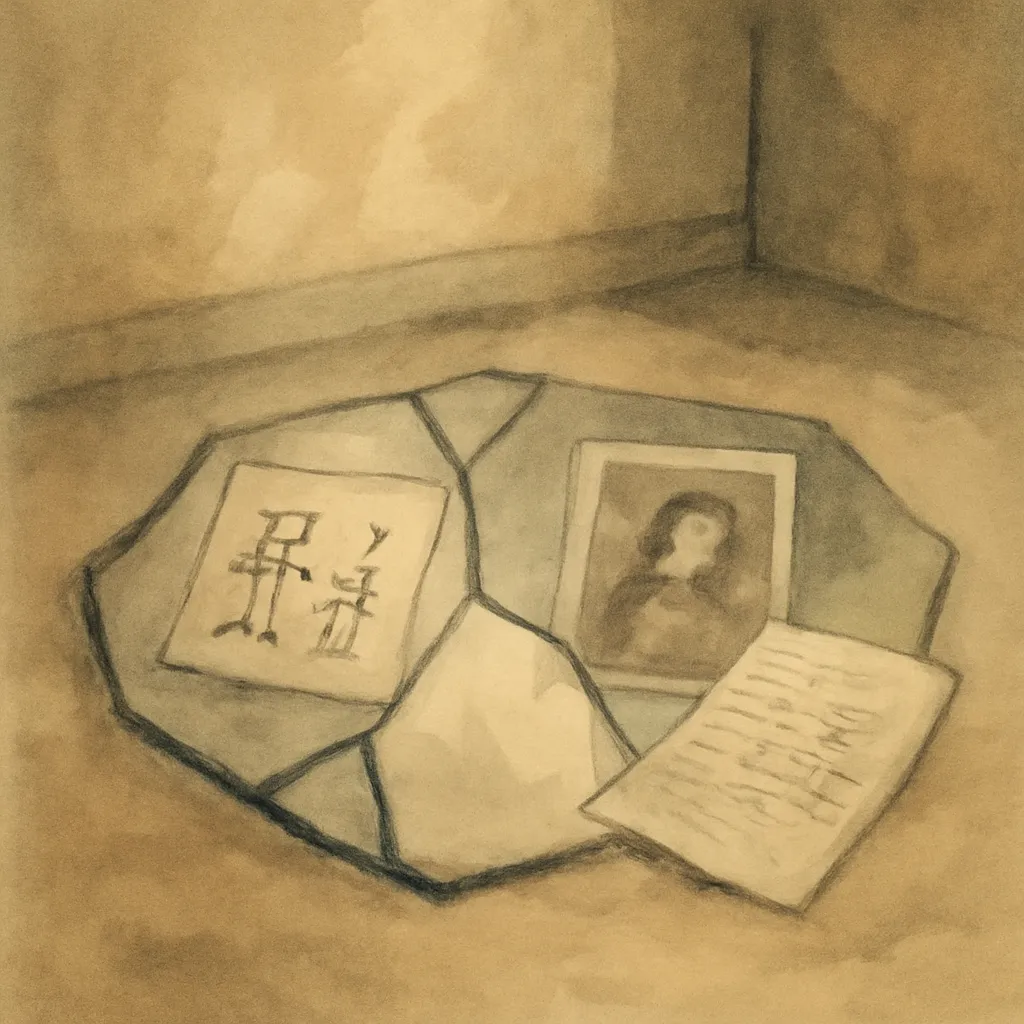
Offred’s narrative is fragmented and nonlinear, shaped by memory and trauma. Storytelling becomes a means of survival, a way to preserve hope and assert truth in a world built on lies. The novel invites readers to consider whose stories are told, who gets to tell them, and what is lost when voices are silenced.