Science Fiction · Young adult fiction · Dystopian Fiction
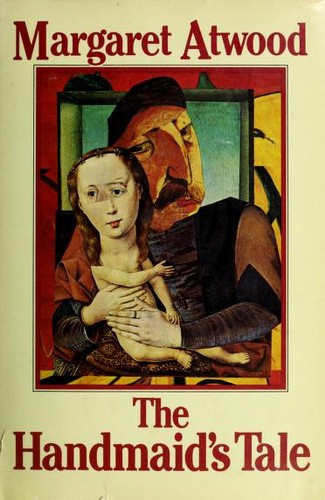
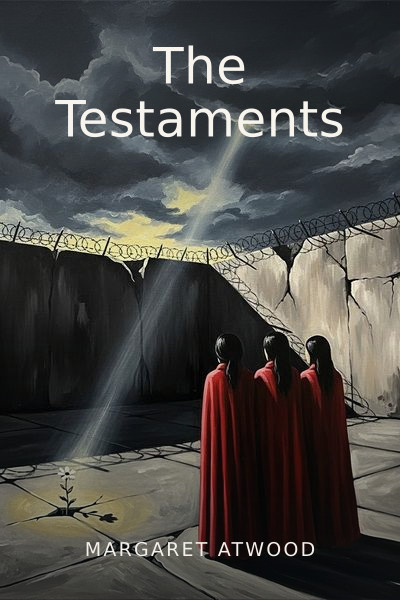
The Testaments by Margaret Atwood — Summary, Key Ideas & Quotes
2019475 pages✦ 3-min Big ideas★ 4.3 (12)
Rate it
15 years after the sons of Jacob seized power in the USA and became Gilead. The story is told from three female viewpoints; Daisy, Agnes and Lydia. Daisy struggles with coming to the realization of her past and who she really is, Agnes tells her story and life in Gilead, and Lydia contemplates her life and decisions made. When the van door slammed on Offred's future at the end of The Handmaid's Tale, readers had no way of telling what lay ahead for her--freedom, prison or death. With The Testaments, the wait is over. Margaret Atwood's sequel picks up the story more than fifteen years after Offred stepped into the unknown, with the explosive testaments of three female narrators from Gilead. In this brilliant sequel to The Handmaid's Tale, acclaimed author Margaret Atwood answers the questions that have tantalized readers for decades. "Dear Readers: Everything you've ever asked me about Gilead and its inner workings is the inspiration for this book. Well, almost everything! The other inspiration is the world we've been living in." --Margaret Atwood
By telling the story through the eyes of Aunt Lydia, Agnes, and Daisy, Atwood complicates the black-and-white morality of Gilead. Each narrator brings her own biases, traumas, and strategies for survival, revealing that resistance and complicity can be deeply intertwined. The interplay between their testimonies highlights the ways individuals navigate oppressive systems, sometimes undermining them from within, sometimes unwittingly reinforcing them.
The Testaments delves into the bureaucratic and psychological mechanisms that sustain Gilead. Atwood explores how surveillance, ritual, and fear keep the regime afloat, but also how these same tools breed paranoia and dissent. The novel exposes the fragility beneath Gilead’s surface: its leaders’ hypocrisy, the cracks in its ideology, and the power of subversive alliances.
“You don’t believe the sky is falling until a chunk of it falls on you.”
“Blessed be the resistors.”