1.Multiple Perspectives, Deeper Truths
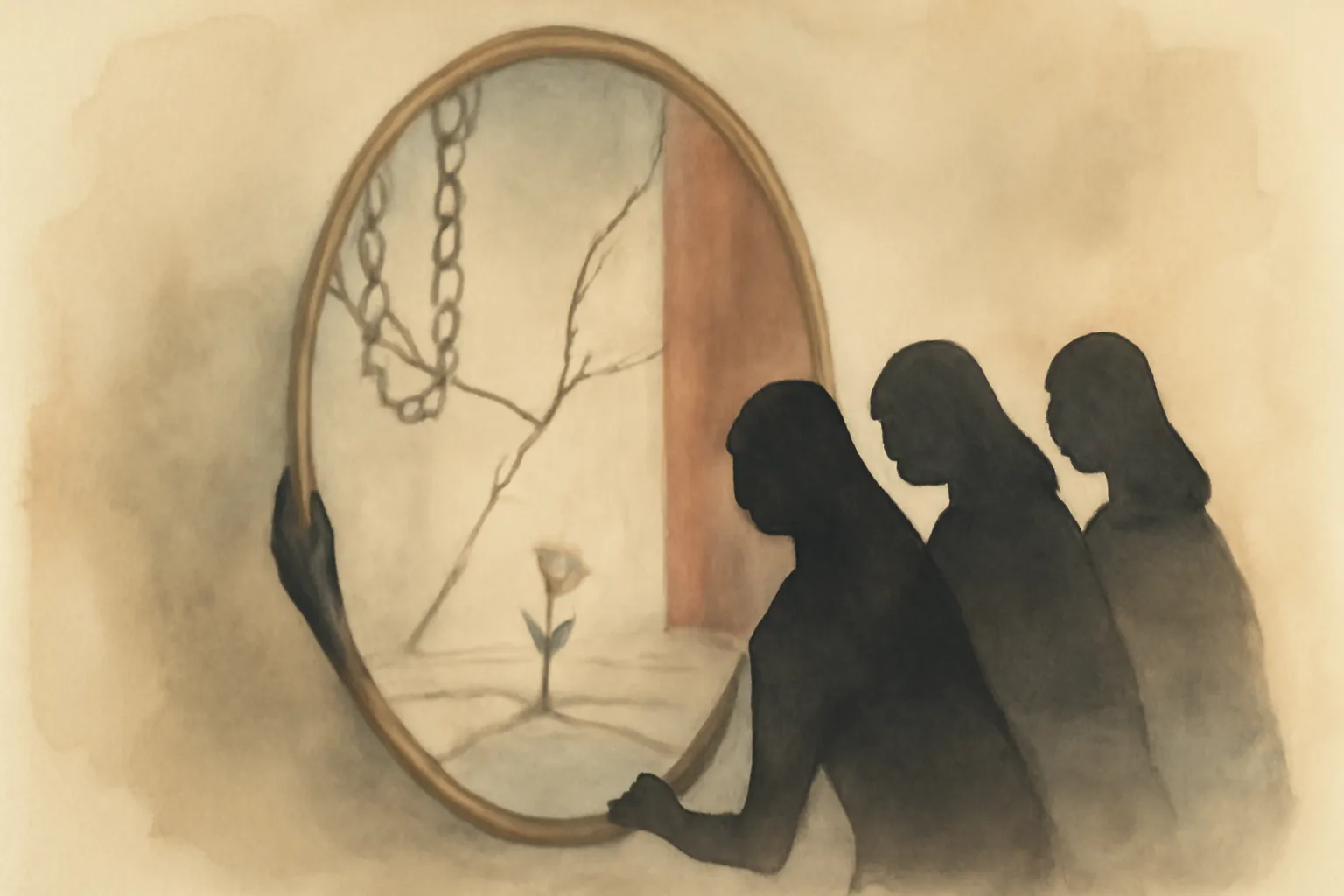
By telling the story through the eyes of Aunt Lydia, Agnes, and Daisy, Atwood complicates the black-and-white morality of Gilead. Each narrator brings her own biases, traumas, and strategies for survival, revealing that resistance and complicity can be deeply intertwined. The interplay between their testimonies highlights the ways individuals navigate oppressive systems, sometimes undermining them from within, sometimes unwittingly reinforcing them.
2.The Machinery of Oppression—And Its Weaknesses
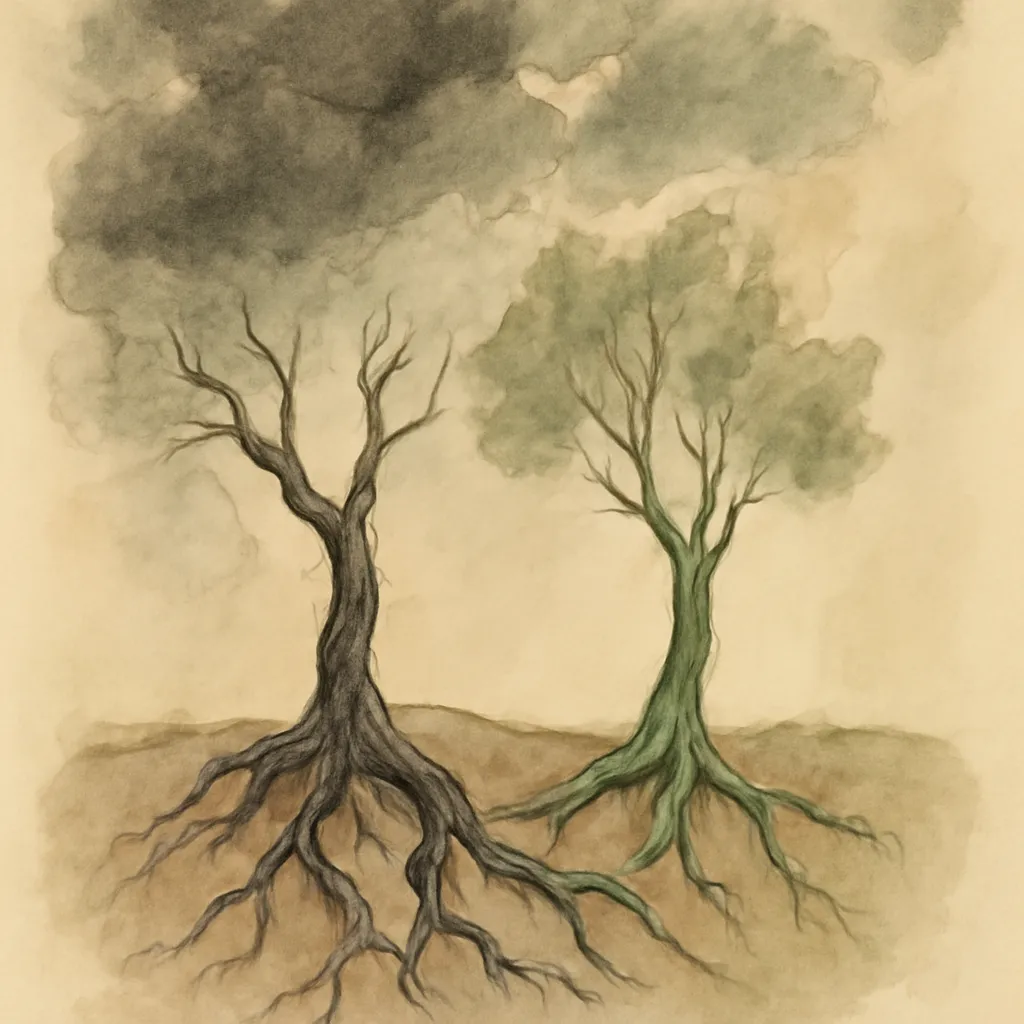
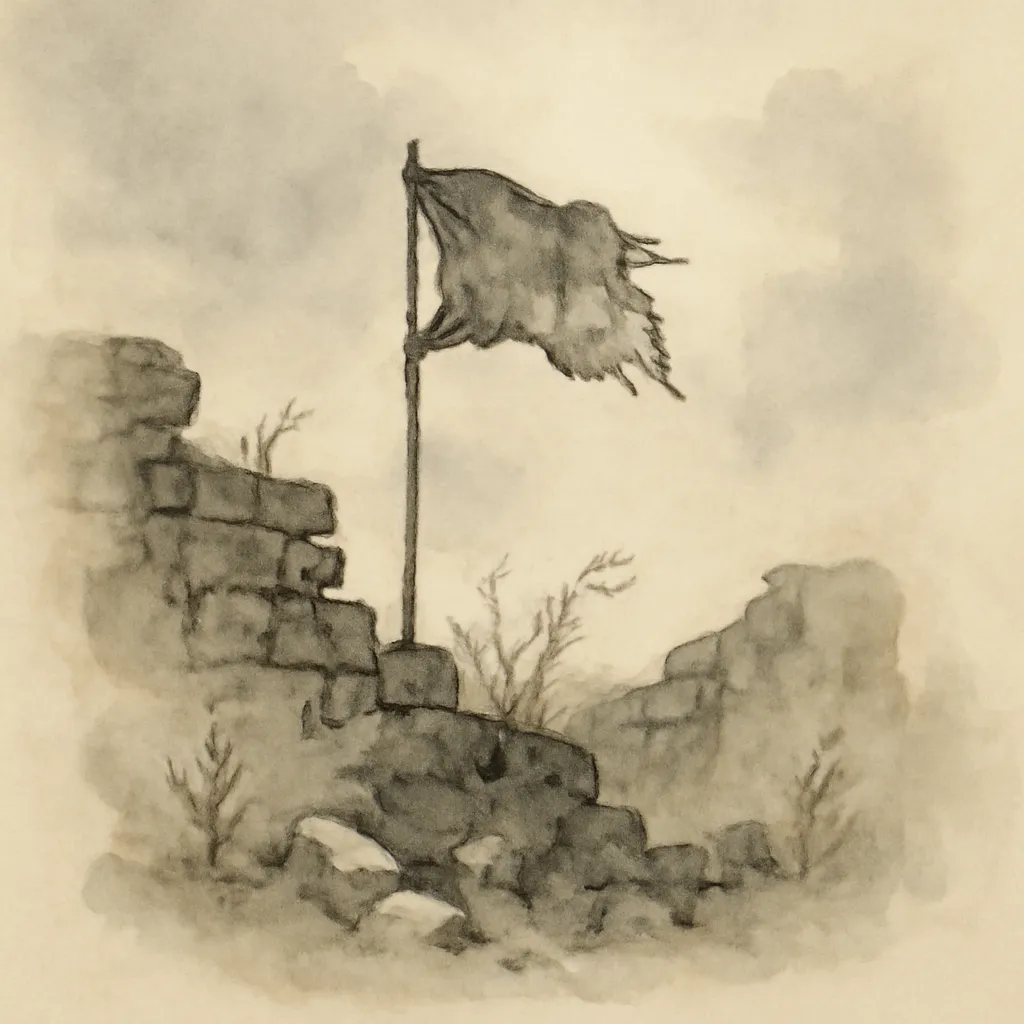
The Testaments delves into the bureaucratic and psychological mechanisms that sustain Gilead. Atwood explores how surveillance, ritual, and fear keep the regime afloat, but also how these same tools breed paranoia and dissent. The novel exposes the fragility beneath Gilead’s surface: its leaders’ hypocrisy, the cracks in its ideology, and the power of subversive alliances.
3.Female Agency in Impossible Circumstances
Atwood foregrounds the resourcefulness and agency of women who, despite being systematically disempowered, find ways to assert control over their lives. Aunt Lydia, once a villain, emerges as a complex figure who uses her position to undermine the regime. Agnes and Daisy, coming from opposite sides of Gilead’s border, must each decide what kind of women they want to become—and how much risk they’re willing to take for freedom.
4.Memory, Testimony, and the Power of Story
The act of bearing witness is central to The Testaments. The narrators’ written accounts become acts of resistance, challenging official narratives and preserving truths that Gilead seeks to erase. Atwood suggests that storytelling—especially women’s testimony—can be a weapon against tyranny, shaping history and inspiring future generations.
5.Mothers, Daughters, and Inheritance
The Testaments explores the bonds between mothers and daughters, both biological and chosen. The characters’ identities are shaped by the secrets and sacrifices of the women who came before them. The novel asks what is passed down in times of crisis: trauma, hope, or the tools to change the world.
6.Relevance to Contemporary Politics
Atwood’s sequel is not just a speculative tale but a pointed commentary on real-world threats to women’s rights and democratic institutions. By drawing on contemporary anxieties, she warns readers about the ease with which freedoms can be lost—and the courage required to reclaim them.