Adventure · Fiction
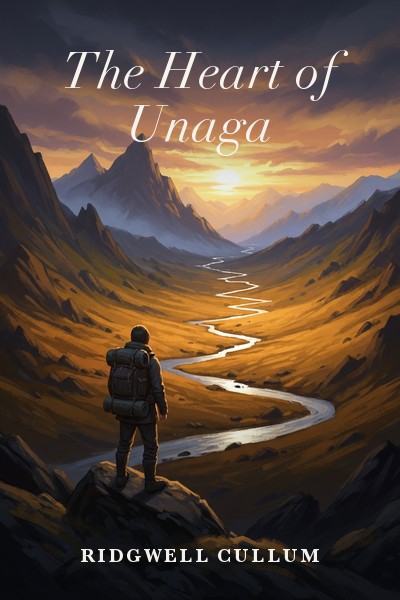
The Heart of Unaga by Ridgwell Cullum — Summary, Key Ideas & Full Text
428 pages38 chapters8h 36m read6h 6m speed read✦ 9-min Big ideasFree · no account
Rate it
The Heart of Unaga reveals the resilience of the human spirit against the harsh northern wilderness, weaving a tale of love, survival, and redemption
In 'The Heart of Unaga,' Ridgwell Cullum immerses readers in the gripping life of the northern wilderness, where survival hinges on grit and determination. Following the journey of Steve Allenwood, his family, and the indigenous characters around him, the narrative unfolds against the backdrop of the stark yet beautiful landscape of Unaga. The story delves into themes of love, sacrifice, and the indomitable spirit of humanity as characters face the relentless challenges posed by nature and their own emotions. Readers will find themselves captivated by the rich descriptions of the environment and the profound connections between people, revealing how bonds can be forged even in the most trying circumstances. This tale serves as a reminder of the strength found in both individual resolve and community ties, making it a poignant exploration of life in the wild.
Ultimately, 'The Heart of Unaga' is a testament to the resilience of the human spirit and the power of love and community in overcoming adversity. Ridgwell Cullum masterfully weaves together the threads of survival, cultural exchange, and personal growth against the backdrop of the unforgiving northern wilderness. As characters navigate their intertwined lives, they exemplify the strength found in connection and the importance of hope in the face of despair. This narrative resonates deeply, encouraging readers to reflect on their own lives and the bonds they share with others. In a world often marked by division, the story serves as a reminder of the unbreakable ties that bind us together, inspiring a renewed appreciation for the strength of the human heart.
“The food there by him, an' he eat—eat plenty much. Then him drink. An' bimeby him drink the spirit stuff again.”
“Oolak was all to pieces.”
“Guess I was mad at the time. But I had to laff after.”
Ridgwell Cullum has 2 works free to read on Lumina, including The Watchers of the Plains: A Tale of the Western Prairies
All 2 books by Ridgwell Cullum →