1.The Symbolism of Nature
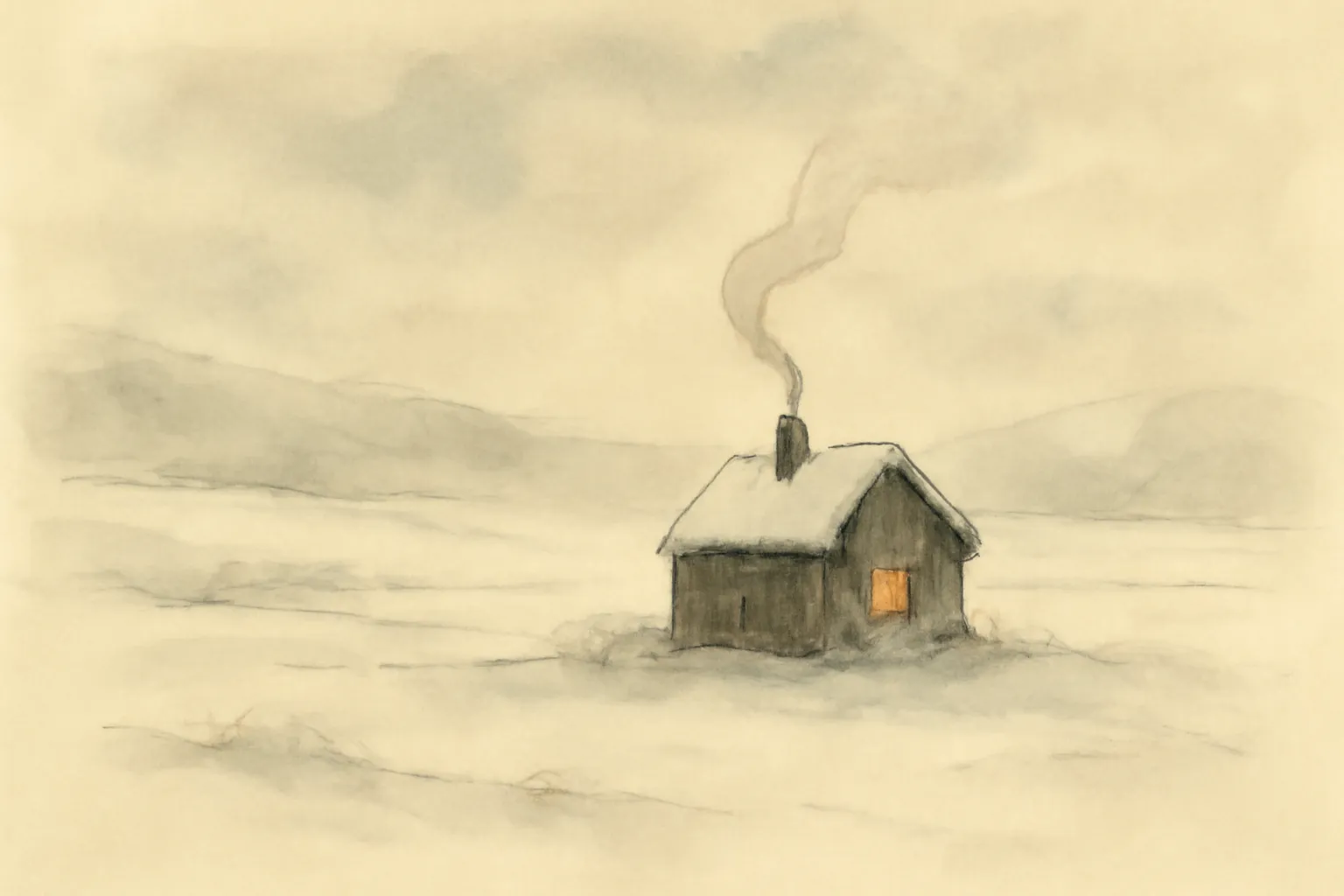
The northern wilderness in Unaga is portrayed as both a beautiful and treacherous realm, embodying the duality of nature itself. From the vivid descriptions of the forest alive with sounds to the harsh realities of survival, the landscape is an active character in the story. For example, Steve Allenwood often finds solace in the beauty surrounding him, yet he remains acutely aware of its dangers, be it from wild animals or the harsh winter storms threatening their existence. Nature's harshness is illustrated when Steve listens intently to the sounds of the night, aware that each rustle could signal danger. The environment serves not only as a backdrop for the characters' struggles but also reflects their inner conflicts, showcasing how beauty and peril often coexist, challenging individuals to confront their fears while discovering their strengths.
2.Cultural Interactions and Mutual Respect
The interactions between white settlers and the indigenous 'Sleeper' Indians are central to the narrative, highlighting the complexities of cultural exchange. Characters like Julyman and Oolak provide insight into the native perspective, showcasing their traditions and beliefs, which are often misunderstood by settlers. Steve’s initial disbelief in Julyman's tales about the 'sleeping' nature of the Indians symbolizes the broader misperceptions that can arise between different cultures. As the story unfolds, relationships evolve, particularly between Steve and An-ina, revealing the potential for empathy and understanding. Their growing friendship underscores the importance of bridge-building in a world often divided by cultural differences. This theme encourages readers to examine their own biases and the significance of open-mindedness in fostering respect and collaboration across cultures.
3.The Struggles of Parenthood
Steve's relationship with his wife, Nita, and their daughter, Coqueline, underscores the trials of parenthood in a challenging environment. Nita's quiet dissatisfaction with the harsh realities of life in the north contrasts sharply with Steve's unwavering commitment to their lifestyle. The couple's dynamic reflects the strain that the unforgiving northern life places on their marriage, as Nita grapples with her longing for a more comfortable existence while Steve steadfastly embraces their chosen path. The arrival of Marcel, an orphaned child whom Steve takes under his wing, adds complexity to his role as a father figure. As he navigates the responsibilities of caring for Marcel alongside his own family, Steve's paternal instincts are brought to the forefront. This exploration of parenthood resonates with anyone who has faced the challenges of raising children in difficult circumstances, illustrating the sacrifices parents make for their families and communities.
4.Sacrifice and Survival in the Wilderness
Sacrifice is a pervasive theme throughout 'The Heart of Unaga,' with characters often faced with life-and-death decisions that test their resolve. Steve’s selflessness is evident when he embraces the responsibility of caring for Marcel, despite the difficulties this presents in an already harsh environment. His determination to protect the boy and ensure his well-being reflects a deeper moral obligation to safeguard the next generation. The relentless winter conditions compel characters to make sacrifices for one another's survival, whether it's risking their own safety or prioritizing the needs of the community over personal desires. This exploration of sacrifice reveals the resilience of the human spirit, showcasing how individuals can rise above their fears and limitations when confronted with dire circumstances. The narrative invites readers to reflect on the nature of sacrifice and what it means to put others before oneself in the pursuit of survival.
5.The Role of Women in a Harsh Environment
An-ina's character represents the strength and resilience of women in the face of adversity, emphasizing their vital roles in both survival and community dynamics. As Marcel's primary caretaker, An-ina embodies the nurturing spirit essential for fostering growth and well-being in the wilderness. Her relentless dedication to Marcel and her ability to adapt to the challenges of life in Unaga highlight the indispensable contributions of women, often overlooked in traditional narratives about exploration and survival. The evolution of An-ina's relationship with Steve also illustrates how mutual respect can bridge cultural divides, allowing for a deeper understanding of each other’s worlds. By showcasing An-ina's strength and wisdom, the narrative emphasizes that women are not merely supporting characters but rather pivotal figures who shape the lives of those around them, reinforcing the importance of their roles in both family and society.
6.Journey of Self-Discovery and Personal Growth
Steve's journey in 'The Heart of Unaga' is not solely one of physical survival but also of profound self-discovery. As he confronts the harsh realities of life in the north, he is compelled to reevaluate his beliefs and values. His departure from a more comfortable life to embrace the challenges of Unaga acts as a catalyst for his personal growth. Through his experiences, particularly in the face of adversity, Steve learns invaluable lessons about the importance of community, empathy, and resilience. His evolving relationships with Marcel and An-ina further enrich his understanding of love and responsibility. This journey of self-discovery resonates with readers, reminding them that personal transformation often arises from embracing challenges and seizing opportunities for growth. The narrative encourages individuals to reflect on their own paths and the lessons learned through overcoming obstacles.
7.The Significance of Community and Interdependence
The theme of community is woven throughout the narrative, highlighting the interconnectedness of individuals in the face of adversity. Characters rely on one another for support, whether it is Steve’s dependence on Julyman and Oolak for survival or An-ina’s nurturing role in Marcel’s life. The urgency of their circumstances fosters an environment where collaboration is essential, and the characters come together to confront the challenges posed by their harsh surroundings. This sense of interdependence reflects the broader human experience, demonstrating that individuals thrive when they work together toward common goals. Through their shared struggles, the narrative serves as a reminder that in times of crisis, community bonds can provide the strength needed to endure hardships. The power of unity is illustrated in how they collectively face the relentless challenges of their environment, showcasing the value of forging supportive relationships in the pursuit of survival.
8.Tradition, Legacy, and Cultural Identity
Tradition plays an essential role in shaping the characters' identities and their relationships with one another. Julyman’s stories of the 'sleeping' Indians and the wisdom passed down through generations highlight the importance of cultural heritage and the narratives that define communities. As Steve navigates his new role in this world, he must grapple with the legacy he wishes to leave for Marcel and Coqueline. The narrative emphasizes the need to honor and preserve traditions while also adapting to the realities of modern life. This exploration of legacy encourages readers to consider their own cultural roots, the importance of understanding one’s heritage, and the impact of their choices on future generations. The interplay between tradition and change illustrates how cultural identity is not static but rather a dynamic aspect of human experience, shaped by the interactions between past and present.
9.Love as a Transformative Power

Love emerges as a central theme in 'The Heart of Unaga,' profoundly influencing the characters' decisions and actions throughout the narrative. Steve’s love for Nita and their daughter drives him to endure the hardships of life in the wilderness, while his paternal instincts toward Marcel compel him to take on new responsibilities and embrace the role of a father figure. An-ina’s love for Marcel is evident in her unwavering dedication to his well-being, reinforcing the narrative’s exploration of familial bonds. The transformative power of love is illustrated as it motivates individuals to act selflessly, generating connections that enhance their resilience against the challenges they face. This theme resonates deeply, reminding readers of the capacity for love to inspire courage and compassion, ultimately shaping the course of lives and communities. The narrative suggests that love not only drives individuals to protect those they cherish but also fosters the strength needed to confront adversity.