Fiction
The Hero by W. Somerset Maugham — Summary, Key Ideas & Full Text
235 pages22 chapters4h 43m read3h 21m speed read✦ 9-min Big ideasFree · no account
Rate it
The Hero explores the disillusionment and emotional turmoil of a soldier returning home from war, revealing the complexities of love, duty, and societal expectations
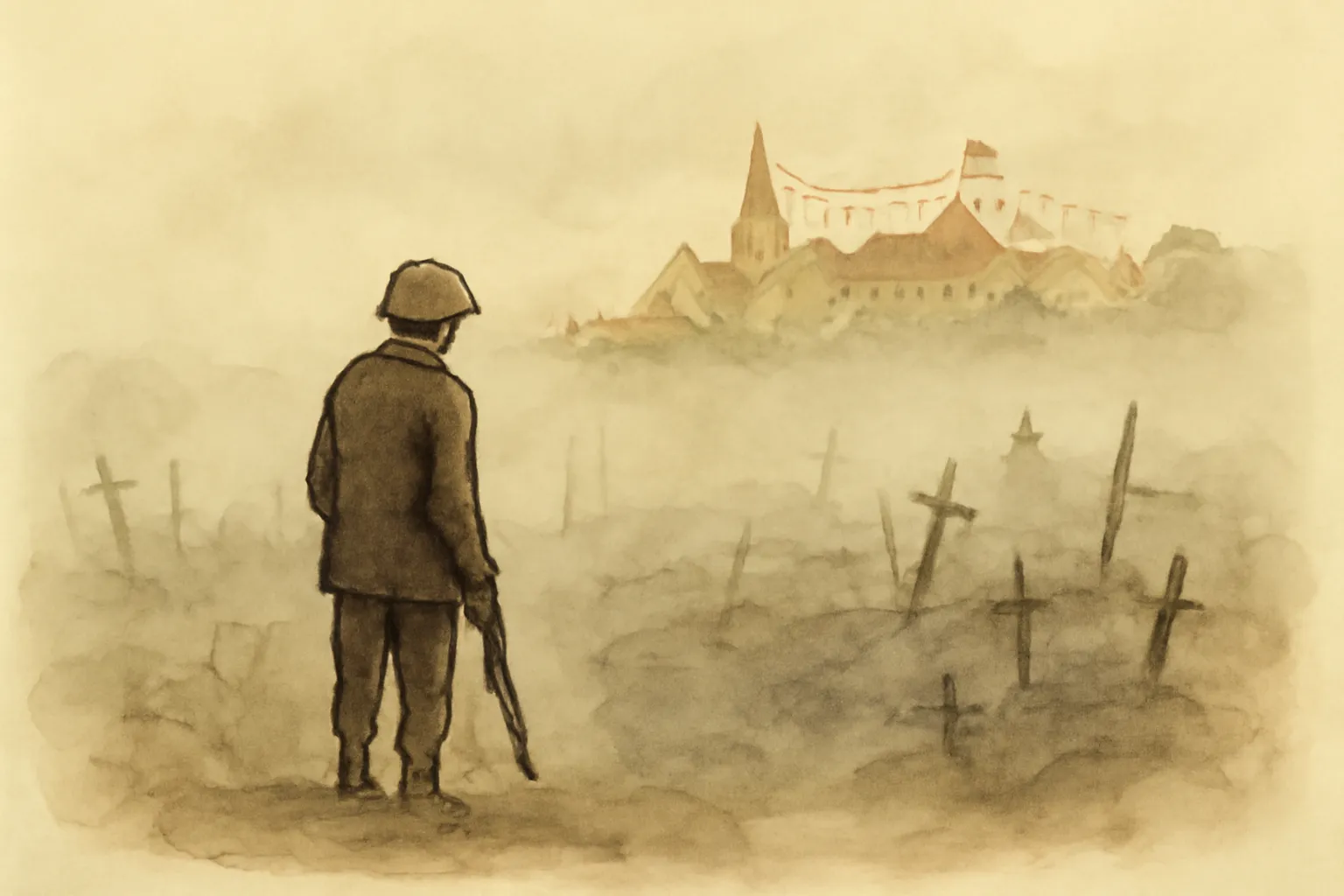
In W. Somerset Maugham's poignant tale, The Hero, readers are invited into the life of Captain James Parsons as he returns home to a village that has celebrated his military service. The narrative delves deep into the psychological impact of war, the expectations placed on returning heroes, and the intricacies of personal relationships strained by trauma and societal norms. Through the lens of James's experiences, the story unravels the contrast between the glorified image of the soldier and the often harsh reality of their internal struggles. As James grapples with his feelings for Mary Clibborn, the woman he is engaged to, and the weight of his family's expectations, Maugham crafts a rich exploration of what it means to be a hero in a world that demands more than mere bravery. This exploration ultimately raises questions about identity, societal roles, and the true cost of war.
The Hero by W. Somerset Maugham serves as a profound exploration of the complexities of identity, love, and societal expectations in the aftermath of war. Through the eyes of James Parsons, readers witness the internal struggles faced by those who return from battle, grappling with disillusionment and the weight of public adoration. Maugham’s nuanced portrayal of relationships, particularly between James and Mary, highlights the fragility of love under the strain of trauma and expectation. Ultimately, the narrative invites readers to reflect on the true nature of heroism, the significance of emotional connection, and the journey toward self-acceptance. In a world that often demands conformity, Maugham champions the importance of authenticity and the courage it takes to confront one’s own truths.
“I wish someone would write an invective upon that most detestable of all the national dishes, pallid, chilly, glutinous, unpleasant to look upon, insipid in the mouth.”
“It's an ill wind that blows nobody good. That's what the curate said.”
“You'd better drink a little water, Reggie dear, said his wife. You look as if you were going to have a fit.”
W. Somerset Maugham has 2 works free to read on Lumina, including The Moon and Sixpence
All 2 books by W. Somerset Maugham →