1.The Burden of Expectation
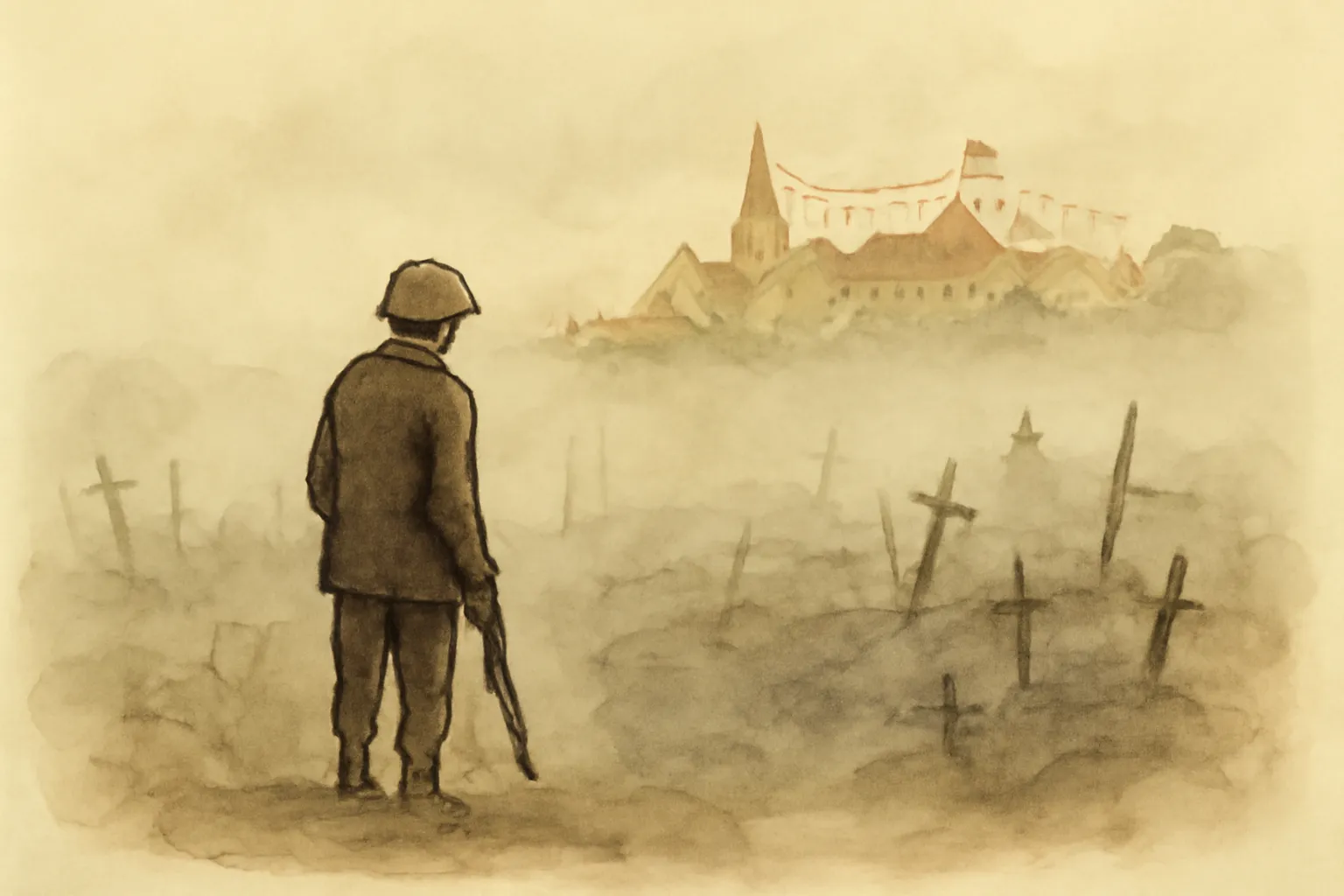
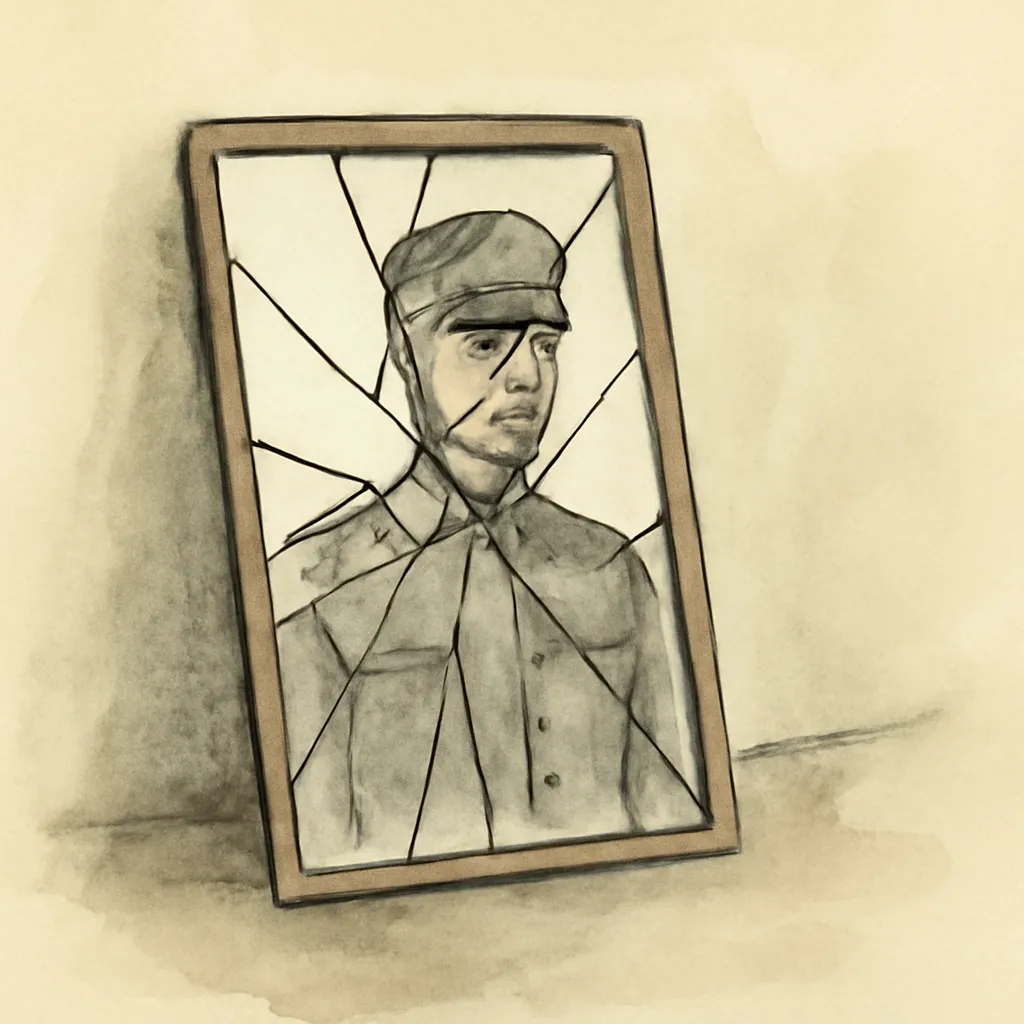
Upon his return, James Parsons becomes a figure of reverence in Little Primpton, a village eager to celebrate his military achievements. However, this public adoration creates a heavy burden of expectation. The villagers, led by the Vicar and the curate, insist on honoring him as a hero, which clashes with James’s own perception of himself. He feels trapped between the idealized image of a soldier and the reality of his experiences, which include doubt, fear, and a sense of inadequacy. Maugham illustrates how these societal expectations can distort personal identity, making it difficult for individuals to reconcile who they are with who others expect them to be. The heroism attributed to James does not align with his internal struggles, leading to a profound sense of isolation. This burden manifests in his reluctance to engage with the community's celebrations, as he grapples with feelings of unworthiness and shame about his past actions.
2.The Complexity of Love
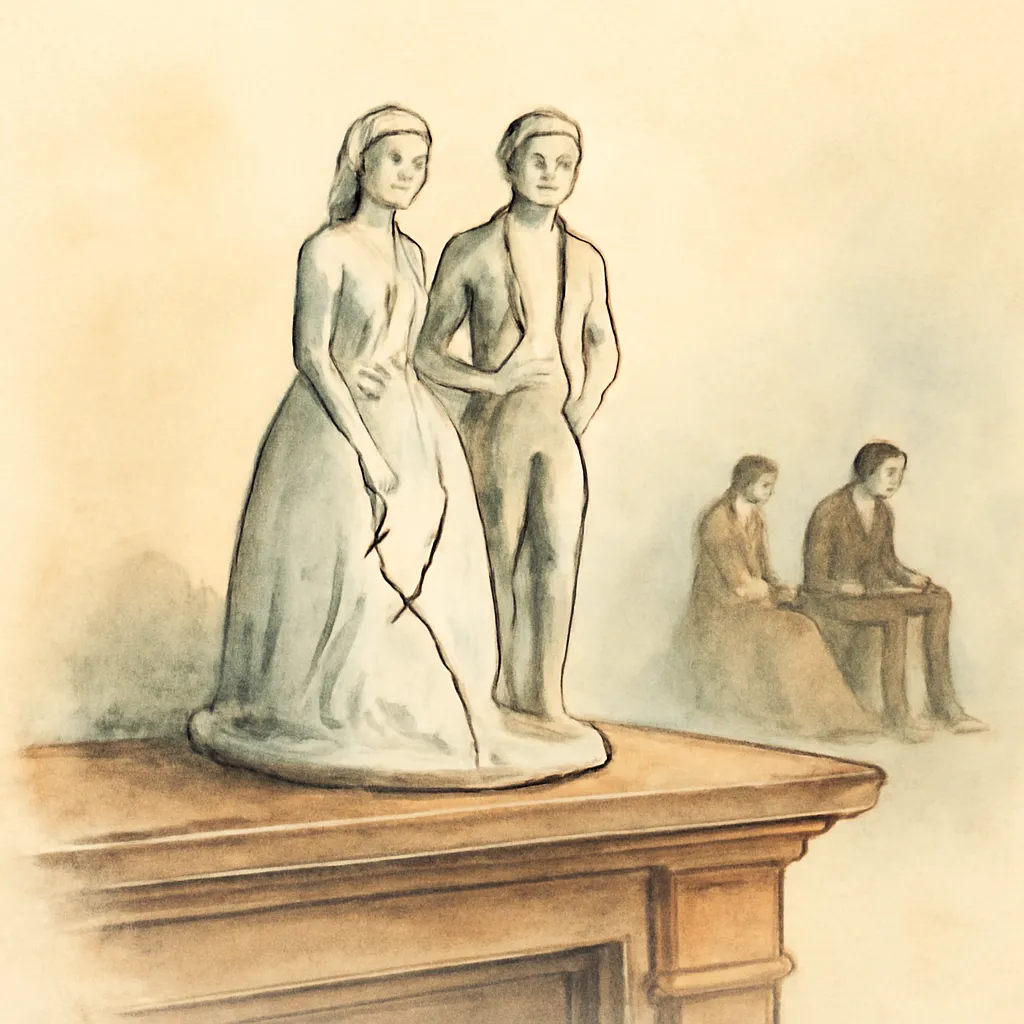
James's relationship with Mary Clibborn is central to the narrative, embodying the complexities of love intertwined with societal expectations. Initially, their engagement seems idyllic, rooted in shared values and mutual affection. However, as James returns from war, he finds himself questioning the authenticity of his feelings. Maugham meticulously portrays James's internal conflict—whether his affection for Mary is genuine love or simply a product of habit and expectation. He recognizes that while he once held a clear vision of their future together, the trauma of war has clouded his emotions. This questioning leads to a painful realization that his emotional connection with Mary may no longer be as strong as it once was. The narrative exposes the fragility of relationships under the strain of external pressures and the trauma that war imposes on personal connections, ultimately forcing James to confront the possibility that he may not be ready for marriage.
3.Disillusionment with Heroism
James's experience of war starkly contrasts with the romanticized notion of heroism that society holds. While the villagers celebrate his return, James grapples with the traumatic memories of combat and the moral ambiguities he encountered. Maugham uses James's disillusionment to challenge the glorification of war and military service. The narrative reveals that true heroism often involves facing one’s vulnerabilities and confronting the emotional scars left by violence. As James reflects on his experiences, he recognizes that the public's admiration is superficial; it does not encompass the profound psychological impact of his actions. This theme invites readers to reconsider the nature of valor and the hidden costs of warfare. Maugham poignantly illustrates that heroism is not always defined by grand deeds, but rather by the quiet courage to acknowledge one’s fears and imperfections.
4.The Role of Women in Society
Mary Clibborn represents the traditional feminine ideals of the time, embodying the expectations placed upon women to support their male counterparts unconditionally. Maugham illustrates her unwavering loyalty and the sacrifices she makes in the name of love. However, as the story progresses, it becomes clear that Mary’s identity is largely defined by her relationship with James. She embodies the societal expectation of a dutiful fiancée, yet her own desires and aspirations remain secondary. This dynamic highlights the restrictive roles women were expected to play, as well as the emotional toll of adhering to societal norms. Maugham critiques the limitations imposed on women, suggesting that true fulfillment requires recognition of their individuality beyond their roles as caregivers and supporters. Despite her strength, Mary ultimately faces the challenge of reconciling her own needs with the expectations imposed by her society and her beloved.
5.The Influence of Class and Society
Maugham intricately weaves the fabric of class and societal expectations throughout the narrative. The Parsons family exemplifies the English middle class, marked by their adherence to social norms and values. Colonel Parsons embodies the traditional patriarchal figure, whose rigid views on duty and honor shape the expectations placed on James. The contrast between the Parsons and the Clibborns, who represent a slightly different social standing, underscores the complexities of class dynamics. Maugham critiques the narrow-mindedness of these societal structures, illustrating how they often dictate personal choices and relationships. The struggle between personal desire and societal obligation creates tension, ultimately leading to a crisis of identity for James. Maugham's portrayal of social class reveals the insidious nature of these expectations, which can stifle individual growth and happiness.
6.Nature as a Refuge
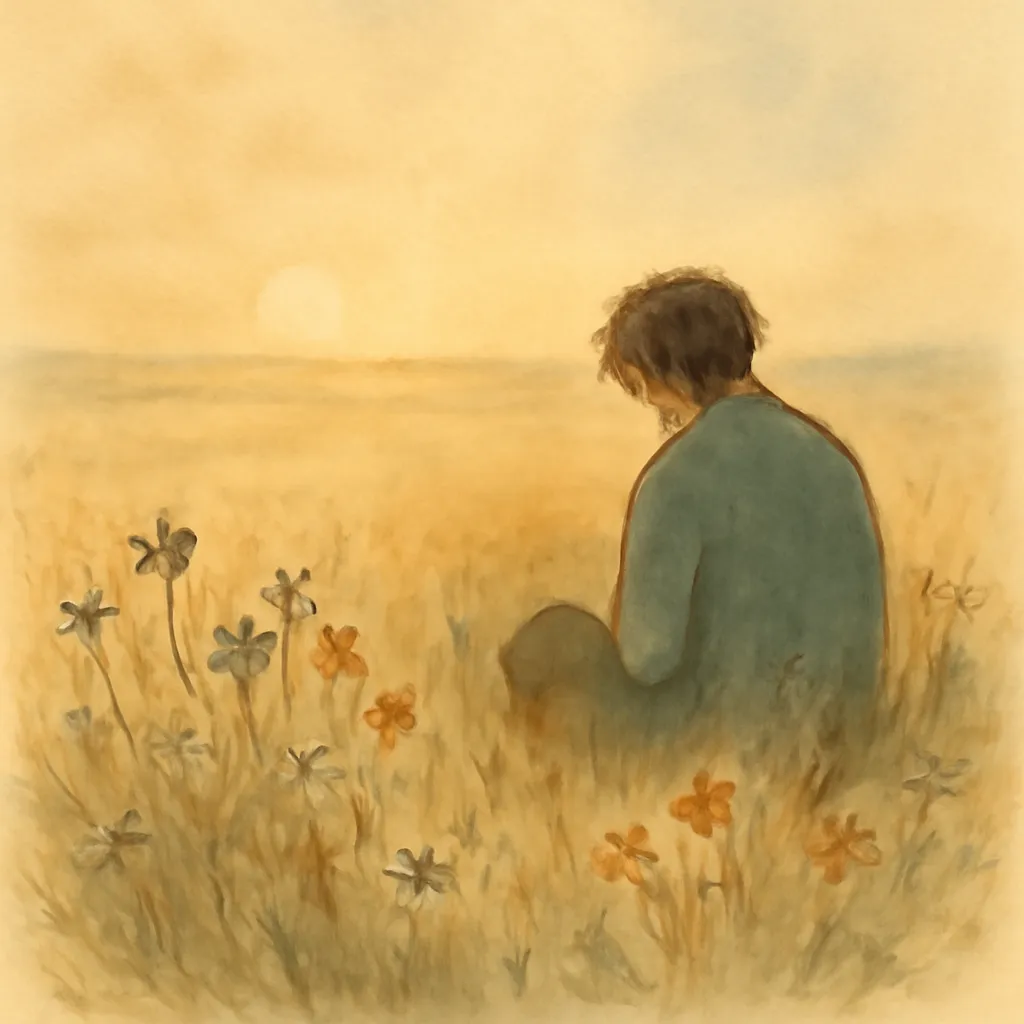
Throughout the narrative, nature serves as a refuge for James as he grapples with his inner turmoil. Maugham vividly describes the beauty of the English countryside, portraying it as a balm for James's troubled mind. The gardens, woods, and fields become spaces where he can momentarily escape the pressures of society and reflect on his true self. In these moments, the lush scenery contrasts sharply with the emotional weight he carries from his experiences in war. The natural world symbolizes purity and innocence, allowing James a glimpse of a simpler, more peaceful existence. Maugham uses this connection to nature to emphasize the theme of longing for solace and the desire to reconnect with one’s true essence amidst chaos. The moments James spends in nature not only offer him an opportunity for reflection but also serve as a stark contrast to the emotional upheaval he faces in his interactions with others.
7.The Pain of Emotional Disconnection
As James navigates his relationship with Mary, the theme of emotional disconnection becomes increasingly pronounced. Despite their engagement, James feels a growing distance between them, exacerbated by his war experiences. Maugham captures the subtle nuances of their interactions, revealing how James's trauma influences his ability to connect with Mary on a deeper level. His reluctance to express his feelings creates a chasm that threatens to unravel their bond. This emotional disconnection reflects a broader commentary on the challenges of intimacy in a world marked by external pressures and internal struggles. Maugham poignantly illustrates how unaddressed trauma can alienate individuals from those they love, leaving them feeling isolated and misunderstood. The narrative underscores the necessity of communication and emotional honesty in maintaining relationships, especially when one partner is grappling with overwhelming emotions.
8.The Role of Religion and Morality

Religion plays a significant role in the lives of the characters, particularly through the figures of the Vicar and Mrs. Jackson. Their moralistic views often clash with James's evolving understanding of duty and virtue. Maugham critiques the rigid moral codes that govern the village, suggesting that they can stifle individuality and genuine emotion. The pressure to conform to religious expectations creates tension for James, as he grapples with his own beliefs and values shaped by his experiences. This exploration of morality underscores the complexities of human behavior, revealing that true virtue often lies in the ability to navigate the gray areas of life rather than adhering strictly to societal dictates. Maugham’s critique extends to the notion that moral righteousness can sometimes lead to hypocrisy, particularly when individuals fail to acknowledge their own flaws. The conflict between James's internal compass and the external moral expectations creates a significant source of tension in his character development.
9.The Impact of Trauma on Identity
James's return from war marks a significant transformation in his identity, as he struggles to reconcile the soldier he was with the man he has become. Maugham delves into the psychological effects of trauma, illustrating how it shapes James's perceptions of self and his relationships. The narrative reveals that the scars of war extend far beyond the physical realm, affecting mental health and emotional stability. James's internal conflict exemplifies the struggle many veterans face upon returning home, as they grapple with feelings of alienation and a loss of purpose. Maugham poignantly captures this transformation, emphasizing that true healing requires acknowledgment of trauma and a willingness to confront its lingering effects. The difficulties James faces in reintegrating into civilian life illuminate the broader societal issues surrounding veteran care and understanding, highlighting the need for compassion and support.
10.Finding Redemption and Acceptance
As the story unfolds, James's journey becomes one of seeking redemption and acceptance, both from himself and others. Following his painful decision to end his engagement with Mary, he must confront the consequences of his actions and the emotional fallout that ensues. Maugham illustrates that redemption is not easily attained; it requires introspection, vulnerability, and a willingness to embrace one’s flaws. The narrative culminates in a realization for James that acceptance of his past and the complexities of his feelings is essential for moving forward. Maugham's exploration of redemption highlights the importance of self-forgiveness and the need to navigate the intricacies of human relationships with honesty and compassion. Ultimately, James's quest for redemption reflects a universal struggle to find peace with oneself amid the chaos of life.