Sociology · Technology · Economics
The Human Condition by Hannah Arendt — Summary, Key Ideas & Quotes
1958368 pages✦ 3-min Big ideas★ 4.9 (9)
Rate it
A work of striking originality bursting with unexpected insights, The Human condition is in many respects more relevant now than when it first appeared in 1958. In her study of the state of modern humanity, Hannah Arendt considers humankind from the perspective of the actions of which it is capable. The problems Arendt identified then--diminishing human agency and political freedom, the paradox that as human powers increase through technological and humanistic inquiry, we are less equipped to control the consequences of our actions--continue to confront us today. This new edition, published to coincide with the fortieth anniversary of its original publication, contains an improved and expanded index and a new introduction by noted Arendt scholar Margaret Canovan which incisively analyzes the book's argument and examines its present relevance. A classic in political and social theory, The Human condition is a work that has proved both timeless and perpetually timely.
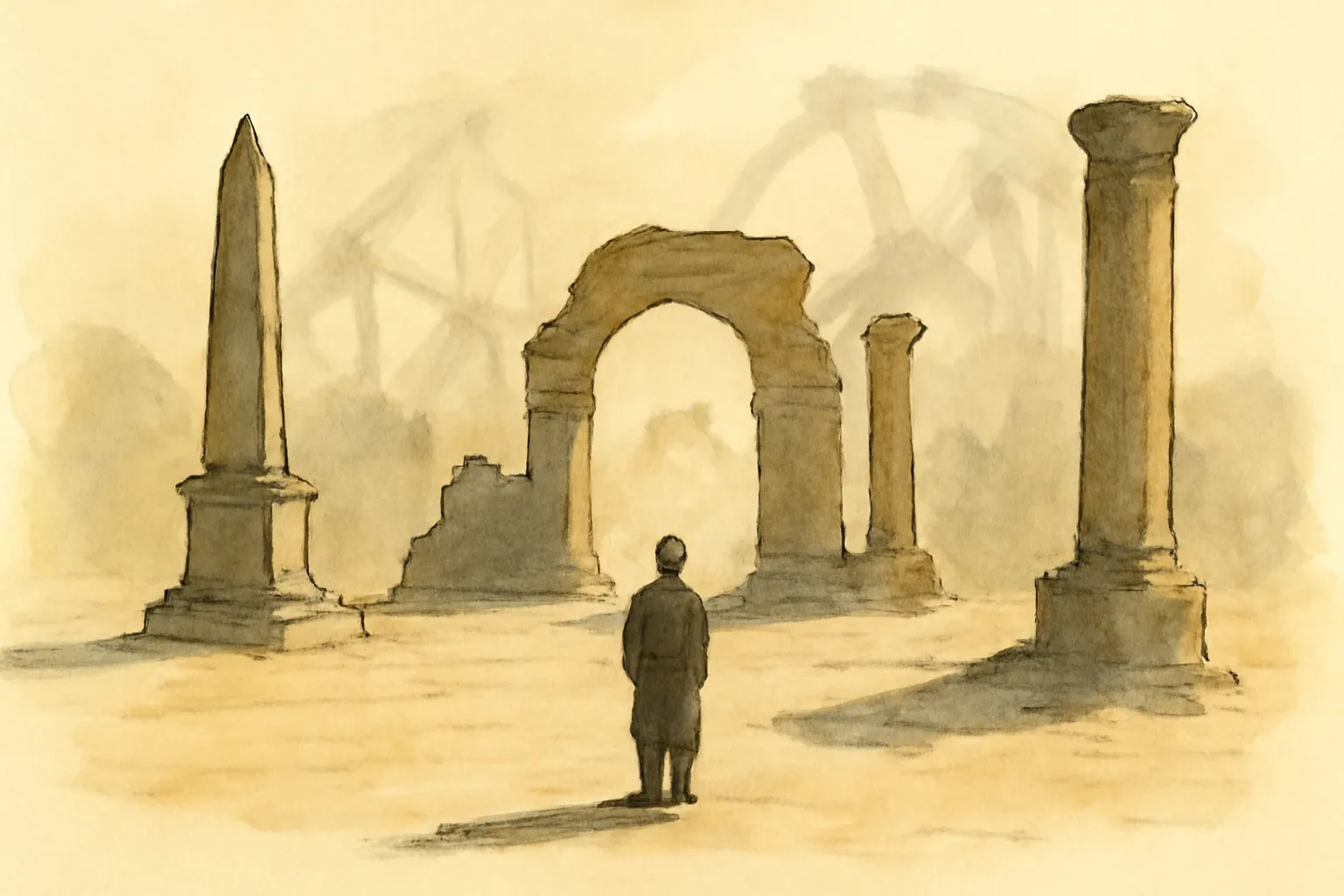
Arendt divides human activity into three fundamental categories: labor, work, and action. Labor refers to the repetitive, biological processes necessary for survival; work creates lasting objects and structures; action is the realm of political life, where people interact, speak, and initiate new events. By distinguishing these, Arendt highlights how modern society undervalues action and public engagement, focusing instead on productivity and consumption.
Arendt argues that the boundaries between private and public life have blurred in modernity, giving rise to 'the social.' This sphere absorbs both economic concerns and private matters, leading to a decline in genuine political action. As a result, individuals become more concerned with conforming to mass society than participating in meaningful, pluralistic debate.
“The most radical revolutionary will become a conservative the day after the revolution.”
“Action, the only activity that goes on directly between men without the intermediary of things or matter, corresponds to the human condition of plurality.”
“The human condition of plurality, to live as a distinct and unique being among equals, is the basic condition of both action and speech.”