
Antisemitism · Imperialism · Totalitarianism
The Origins of Totalitarianism by Hannah Arendt — Summary, Key Ideas & Quotes
1951527 pages✦ 3-min Big ideas★ 4.6 (7)
Rate it
Hannah Arendt's definitive work on totalitarianism and an essential component of any study of twentieth-century political history The Origins of Totalitarianism begins with the rise of anti-Semitism in central and western Europe in the 1800s and continues with an examination of European colonial imperialism from 1884 to the outbreak of World War I. Arendt explores the institutions and operations of totalitarian movements, focusing on the two genuine forms of totalitarian government in her time—Nazi Germany and Stalinist Russia—which she adroitly recognizes were two sides of the same coin, rather than opposing philosophies of Right and Left. From this vantage point, she discusses the evolution of classes into masses, the role of propaganda in dealing with the nontotalitarian world, the use of terror, and the nature of isolation and loneliness as preconditions for total domination.
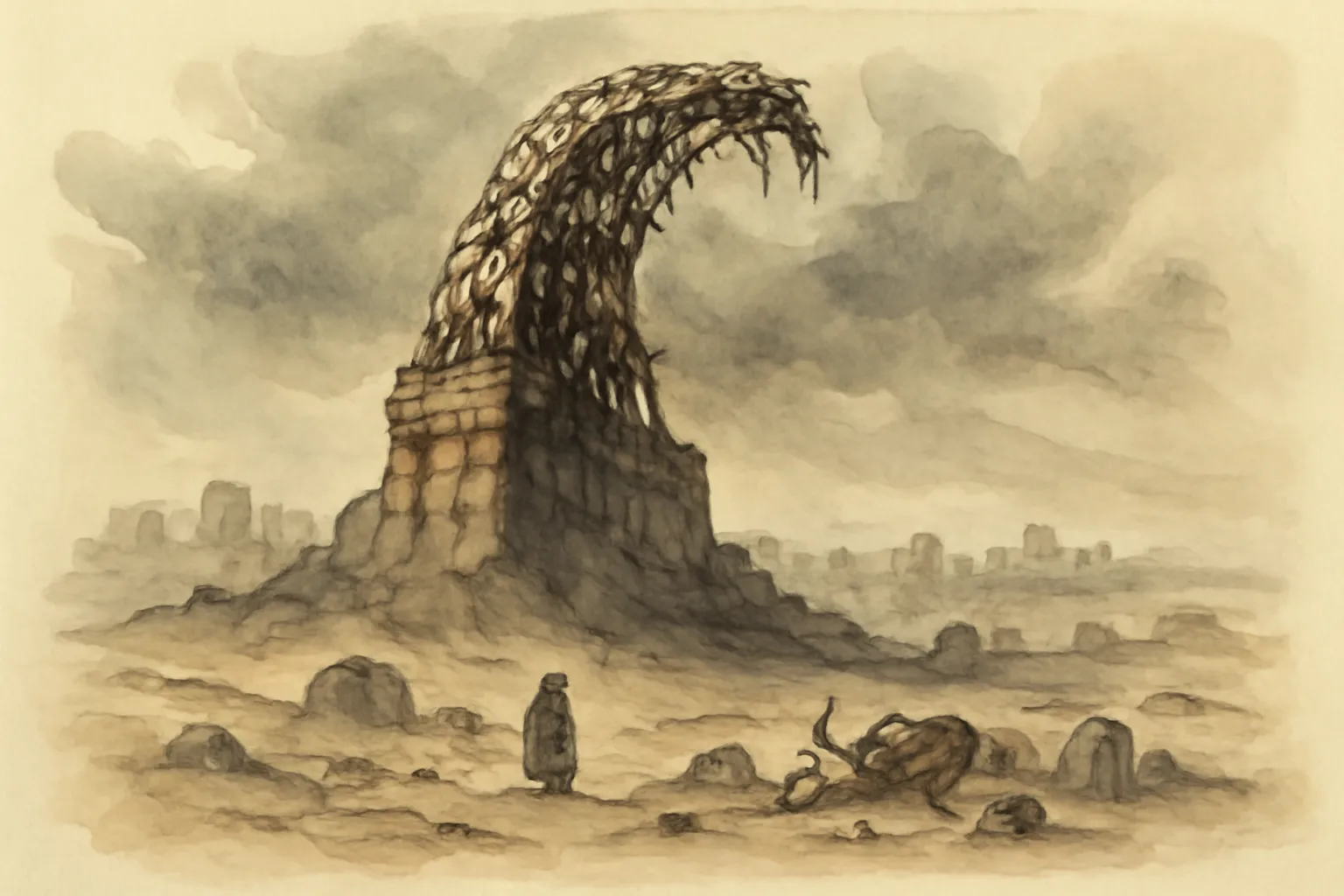
Arendt argues that totalitarianism is not just an extreme form of tyranny, but a fundamentally new type of political system. Unlike traditional dictatorships, totalitarian regimes seek total domination over every aspect of life, aiming to reshape reality and human nature itself. This ambition is realized through the combination of ideology, terror, and the mobilization of the masses, making totalitarianism a uniquely modern phenomenon.
Arendt traces the roots of totalitarianism to the rise of anti-Semitism in 19th-century Europe and the expansionist policies of imperialism. She shows how these forces undermined the rule of law, fostered scapegoating, and eroded the foundations of civil society. The breakdown of traditional social structures and the spread of racist and nationalist ideologies created fertile ground for totalitarian movements.
“The ideal subject of totalitarian rule is not the convinced Nazi or the convinced Communist, but people for whom the distinction between fact and fiction, true and false, no longer exists.”
“Totalitarianism strives not toward despotic rule over men, but toward a system in which men are superfluous.”
“Loneliness appears as the common ground for terror.”
