Fiction · Trials (Murder) · Jews
The Fixer by Bernard Malamud — Summary, Key Ideas & Quotes
1901312 pages✦ 3-min Big ideas★ 5.0 (1)
Rate it
In Tsarist Russia, Yakov is accused of a ritual murder he did not commit.
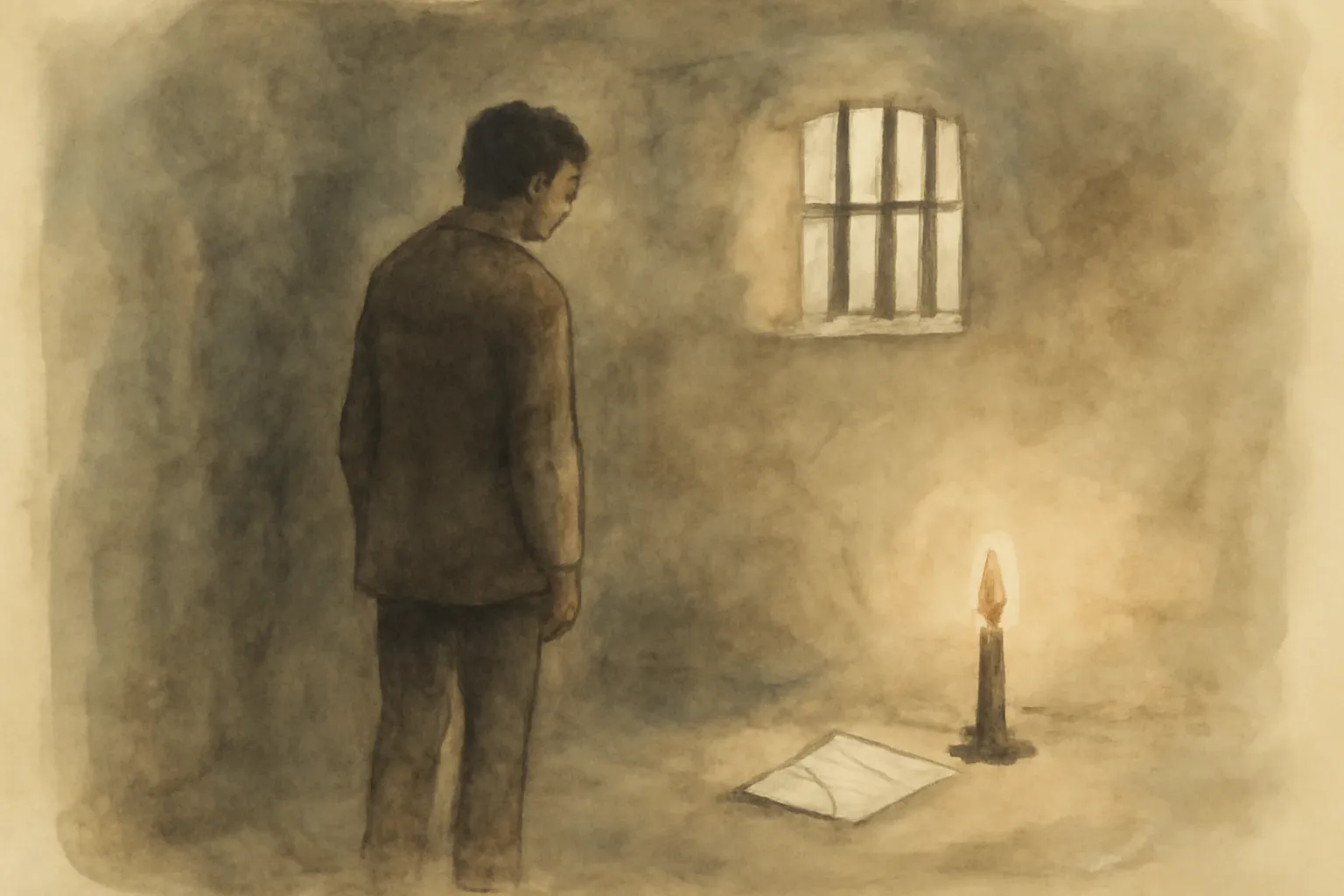
At the heart of The Fixer is the story of Yakov Bok, a Jewish handyman unjustly accused of murdering a Christian boy. Malamud uses Yakov’s ordeal to illuminate how societies manufacture scapegoats, particularly in times of unrest. The novel exposes the machinery of prejudice and the willingness of authorities to sacrifice the innocent for political convenience. Through Yakov’s suffering, Malamud critiques the broader phenomenon of institutionalized antisemitism and the dangerous ease with which truth is abandoned for the sake of maintaining social order.
Yakov’s refusal to confess to a crime he did not commit—even under torture and deprivation—serves as a meditation on personal integrity. The Fixer explores what it means to hold onto one’s principles when all hope seems lost. Malamud suggests that dignity can survive even in the darkest circumstances, and that the act of bearing witness to injustice is itself a form of resistance.
“If you ever admit you’re a Jew, you’re lost.”
“There’s no such thing as an unpolitical man, especially a Jew.”